
Key Takeaways
- Full-mouth implant treatment is a health and function decision, not only a cosmetic one.
- A complete evaluation should consider your teeth, gums, jawbone, bite, medical history, and goals.
- Natural teeth that can be predictably treated should be discussed before extraction is recommended.
- Fixed bridges, implant-supported dentures, and conventional dentures can each be appropriate in different situations.
- A written estimate should clearly identify what is included, what may cost extra, and how maintenance will work.
- Implant-supported teeth still require daily cleaning and regular professional care.
Replacing most or all of your teeth is a significant decision that can affect eating, speaking, comfort, appearance, and daily care. If you are researching all-on-4 dental implants, it helps to look beyond promotional language and understand how the plan fits your health, anatomy, and goals. Smile Rescue is a Louisville, Kentucky dental practice that provides full-mouth implant treatment, including planning, guided implant placement, temporary teeth, and final full-arch restorations. Its approach to full-arch care highlights why patients should ask who will coordinate each stage of treatment, how the final bite will be planned, and what follow-up support will be available.
Why the Questions Matter
Full-mouth treatment involves several interrelated choices: whether teeth should be retained or removed, how many implants are appropriate, whether replacement teeth will be fixed or removable, and how the restoration will be maintained over time. A worthwhile consultation should address expected benefits, limitations, alternatives, risks, and the likely sequence of care. The American Dental Association encourages patients to discuss available alternatives, including whether healthy teeth can be preserved, before moving ahead with extensive implant treatment. If the recommendation is unclear or you feel rushed, a second opinion can provide useful perspective.
What Full-Mouth Dental Implants Usually Mean
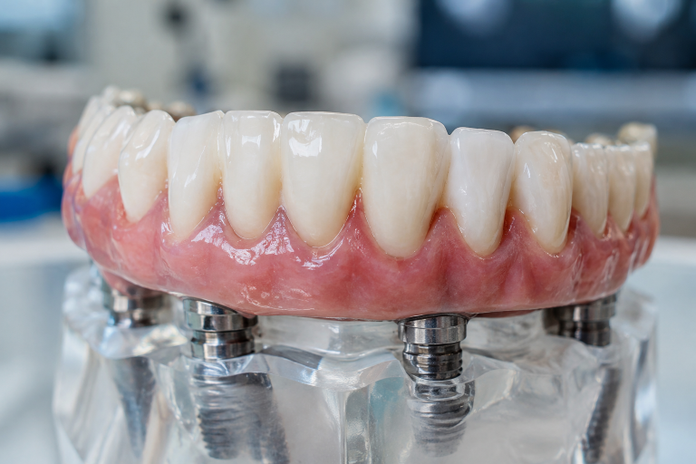
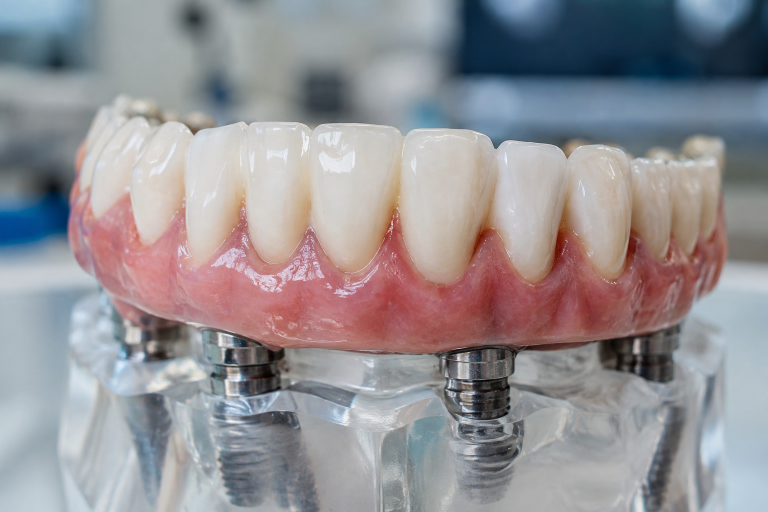
“Full-mouth dental implants,” “full-arch implants,” and “implant-supported teeth” are broad terms. They may describe replacement of all teeth in the upper arch, lower arch, or both arches. The new teeth may be a fixed bridge attached to implants or a removable denture stabilized by implants. The right design depends on the condition of any remaining teeth, the amount and quality of jawbone, gum health, bite forces, facial support, and personal preferences. A package name alone does not explain whether the plan is suitable for a particular patient.
Questions About Candidacy and Preparation
Am I a good candidate?
Age by itself does not determine candidacy. Ask how gum health, jawbone support, tobacco use, healing ability, medications, medical conditions, and grinding habits may affect the plan. Bring a current list of prescriptions, supplements, allergies, and relevant medical procedures so the dental team can evaluate the full picture.
Can any natural teeth be saved?
Ask for a clear explanation of every proposed extraction. Some teeth may be too damaged or unstable to keep, while others may be treatable. Understanding the prognosis of each tooth helps you compare preservation-focused options with full-arch replacement.
Will I need treatment first?
Preparation may include periodontal treatment, tooth removal, infection management, bone grafting, or other procedures. These steps can affect the final timeline and cost. An examination, records, and imaging are needed before anyone can responsibly confirm what preparation is necessary.
Comparing Treatment Options
Traditional dentures
Conventional dentures are removable and may be an appropriate option for some people. Ask about fit, future relines, sore spots, stability during meals, and how changes in the mouth could affect comfort over time.
Implant-supported dentures
Implants can be used to help stabilize a removable denture. The restoration is typically removed for cleaning, so ask how the attachment system works, how often components may need service, and which home-care tools are recommended.
Fixed full-arch teeth
A fixed bridge is secured to implants and is removed only by a dental professional when needed for service. “Fixed” does not mean maintenance-free. Patients still need to clean around the bridge and gums carefully, attend recall visits, and report changes such as discomfort, looseness, or difficulty chewing.
How to Compare Dental Implant Providers
Ask who will perform the examination, surgical procedure, temporary restoration, final bridge, bite adjustments, hygiene visits, and repairs. It is also reasonable to ask how the practice handles unexpected concerns after surgery and whether treatment is coordinated in one location or among several providers. Compare the details of care rather than choosing solely on an advertised starting price. A thorough provider should explain the diagnostic findings, why a particular number and position of implants is recommended, what alternatives exist, and what the team will do if the plan needs to change.
Questions About Materials, Costs, and Recovery
Ask what material will be used for temporary teeth and for the final restoration. Consider strength, appearance, repair options, cleaning requirements, and how the material fits your bite and grinding habits. The National Institute of Dental and Craniofacial Research notes that dental materials include implants, bone grafts, and restorations, which is why material choices deserve a direct conversation. Request an itemized written estimate that separates consultation fees, imaging, extractions, grafting, implants, temporary teeth, final teeth, sedation, follow-up visits, adjustments, repairs, and warranty terms. Confirm whether the quote covers one arch or both, whether it is a starting price or complete estimate, and which findings could change the cost. After implant surgery, swelling, tenderness, bruising, and temporary diet changes may occur. Follow the post-operative instructions closely, arrange transportation if sedation is used, and ask which symptoms require an urgent call. Long-term care commonly includes brushing, cleaning between or beneath the restoration as instructed, and professional maintenance visits.
Consultation Checklist
- What is the current condition of my teeth, gums, bone, and bite?
- Can any natural teeth be predictably saved?
- Which fixed and removable options fit my needs?
- Why do you recommend this number of implants?
- What materials will be used for my temporary and final teeth?
- What is included in the estimate, and what could change it?
- What will the treatment and healing timeline look like?
- How will I clean and maintain the restoration?
- What happens if a tooth, bridge, screw, or implant needs repair?
- Who should I contact with concerns after treatment?
Final Thoughts
Full-mouth dental implants may be a valuable option for people with extensive tooth loss, severely damaged teeth, or existing restorations that no longer function adequately. However, there is no one-size-fits-all solution, and not every patient will be a suitable candidate for the same procedure. A thorough dental evaluation can help determine the condition of the gums, the amount of available jawbone, the health of any remaining teeth, and whether additional procedures may be necessary before implant placement. Patients should take time to compare complete treatment plans, including the recommended number of implants, the type of final restoration, the expected timeline, recovery requirements, potential risks, and long-term maintenance needs. It is equally important to request a detailed written estimate that explains the costs of consultations, imaging, surgery, temporary teeth, final restorations, and follow-up care. Ask direct questions about the provider’s experience, available alternatives, and what happens if complications arise. Seeking a second opinion can also help clarify recommendations and identify differences in treatment approaches. By reviewing these details carefully, patients can make a more informed decision that reflects their oral health, budget, comfort, and long-term goals.