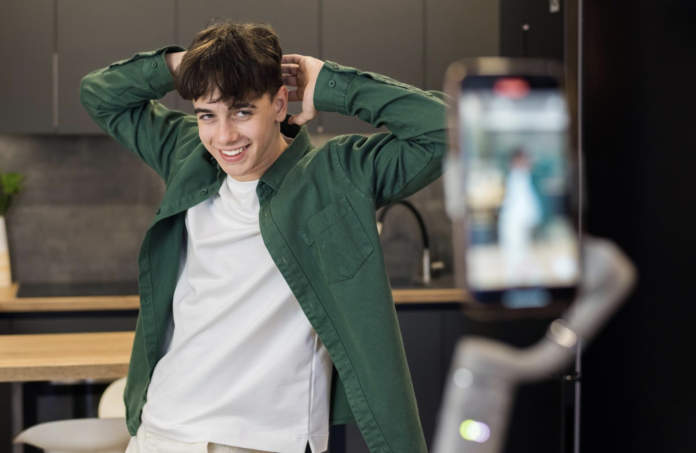

A striking outfit can provide the opening shot for a fashion video. Building a useful series around it requires another question: what would someone need to know before wearing it?
A viewer might like an oversized blazer but struggle with its proportions. They might admire a layered look without knowing how to adapt it to warm weather. They might want to try a seasonal colour using clothes they already own.
For fashion and lifestyle creators, those practical uncertainties provide an editorial direction. Instead of repeatedly announcing what is trending, build a short series that helps viewers decide whether—and how—a look fits their lives.
Choose a wardrobe problem before choosing the shots
“Ways to style a blazer” leaves considerable room for attractive footage but little guidance about the audience. “How to wear an oversized blazer without losing your shape” gives the creator a specific problem to solve.
The distinction affects the entire production. The second idea calls for visible comparisons, explanations of proportion, and outfit choices that viewers can reproduce.
Start with a sentence:
“This series helps someone who wants to wear ___ but struggles with ___.”
Useful possibilities include styling wide trousers with flat shoes, adapting evening pieces for daytime, or experimenting with a colour without buying a complete outfit.
Choose one problem for the first series. An account can cover many subjects over time, but each sequence should make a clear promise.
Build three videos around different decisions
Consider a creator planning a series about wearing an oversized blazer with an existing wardrobe. Each episode should answer a separate question while remaining understandable to someone encountering the account for the first time.
Video one: What changes the proportions?
Show the same blazer over two outfits, keeping the camera position and lighting consistent. Compare a loose base layer with a more fitted one, or a long untucked top with a shorter hemline.
Explain what changes visually. Avoid treating one silhouette as universally correct; the purpose is to help viewers choose an effect.
A useful opening might be: “Before replacing this blazer, compare what happens when the layer underneath gets shorter.”
The demonstration should deliver that comparison promptly.
Video two: Can it work with clothes already owned?
Build an outfit around familiar pieces: a plain T-shirt, straight-leg trousers, and flat shoes.
Show the intermediate decisions, including a combination that does not produce the intended result. Explaining why you changed the trouser length or shoe shape makes the process easier to apply than a montage of finished looks.
End with a specific question: “Which part is harder for you to style—the trousers or the shoes?” The answers can help identify the next useful topic.
Video three: Where would someone actually wear it?
Adapt the outfit for a realistic setting, such as a commute followed by an informal dinner.
Discuss movement, temperature, and comfort alongside appearance. Show the outfit while seated or walking, rather than relying entirely on a posed mirror shot.
Each episode should resolve its own question. A series gives interested viewers somewhere to go next, but the first useful answer should not be withheld until a later instalment.
Make the comparison trustworthy
Fashion demonstrations depend on details that can quietly distort the result. A different camera angle, changed posture, or brighter exposure can make an outfit appear more successful even when the styling change is minor.
For comparison videos, keep those conditions as consistent as possible. Identify the garment or styling choice being changed, and allow enough time to see its effect.
Use captions to name the decision: “shorter inner layer,” “same trousers, different shoes,” or “sleeves folded once.” These labels give viewers something concrete to remember.
Production quality serves the explanation. An elaborate transition is optional; a clear view of the trouser hem is essential when trouser length is the subject.
Separate a good video from a large number
Evaluate the series through four distinct questions.
Content quality: Did the video fulfil its promise? Could a viewer understand the comparison and repeat the technique? This requires reviewing the work itself, not simply reading its statistics.
Reach: How widely was the video distributed? Treat views as exposure, and do not assume a view count represents that many different people.
Engagement: What responses did it prompt? Likes indicate one kind of reaction. Saves, shares, and specific questions provide other clues, although none proves that someone used the advice.
Conversion: Did viewers take the action connected to the creator’s goal? For a stylist, that might be a consultation enquiry. For an editorial creator, it might be a newsletter subscription.
An attractive reveal could receive more likes than a detailed fit comparison. The comparison might nevertheless produce more relevant questions or enquiries. Which result matters depends on what the series was designed to accomplish.
Keep purchased numbers out of editorial decisions
When reviewing a post, record any paid activity that could affect its results. Paid distribution and purchased engagement should not be treated as interchangeable.
A creator considering the TikTok likes service listed by Auj Store should recognise that purchasing a visible count cannot establish whether viewers understood a styling lesson or want another episode. TikTok also states that it prohibits fake engagement, including services that artificially increase likes or followers, in its explanation of how it counters deceptive behaviour.
Keep the broader effort centred on useful demonstrations, a manageable publishing schedule, audience questions, and measurement tied to an actual goal. If a budget is available, clearer filming, accurate captions, or additional editing time can directly improve what viewers receive.
Let the next series answer an observed question
After publishing, review the episodes at comparable ages—for example, one week after each goes live. This is a practical review schedule, not an algorithmic rule.
Record the subject, opening, viewer responses, and relevant outcomes. Look for repeated questions rather than allowing one unusually successful post to determine the account’s entire direction.
If viewers repeatedly ask about flat shoes, develop that subject next. If they misunderstand the proportion comparison, reshoot it more clearly. If the reveal attracts attention but the explanation loses focus, shorten the setup and bring the demonstration forward.
A useful fashion account develops a recognisable promise through these decisions: viewers can arrive with a wardrobe problem and leave with something specific to try.