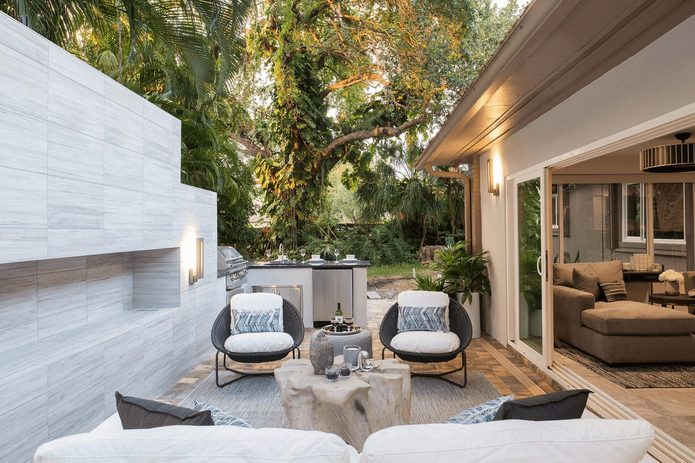

Outdoor spaces have become an important part of modern living. Whether it is a private garden, a shared residential area or a public park, a well-designed outdoor environment can provide somewhere to relax, exercise and spend time with others. Making these spaces practical and comfortable often involves considering both their appearance and how they will be used throughout the year.
From creating shaded areas at home to introducing facilities that encourage physical activity, thoughtful improvements can help people get more value from the space available to them.
Creating Comfortable Outdoor Areas
A garden or patio can offer a welcome extension of the home, providing somewhere to enjoy fresh air without needing to travel. However, weather conditions can sometimes make outdoor areas less comfortable. Strong sunlight, excessive heat and glare can all affect how often a space is used.
Adding suitable shading is one way to make an outdoor area more practical. Options such as pergolas, parasols and retractable awnings can help provide protection from direct sunlight, but the right choice will depend on the layout of the property and the level of flexibility required.
Outdoor roller blinds offer another option for improving comfort in gardens, patios and covered seating areas. They can help reduce glare and provide shade while also offering a degree of privacy. Depending on the fabric and design, some blinds allow natural light and airflow to pass through while limiting direct sunlight.
They can be particularly useful around outdoor dining areas, balconies and sheltered terraces. When installed correctly, roller blinds can help create a more comfortable environment for relaxing or entertaining guests.
Choosing the Right Outdoor Shading
Before installing outdoor blinds, it is worth considering how the area is positioned and when it receives the most sunlight. A south-facing patio, for example, may benefit from shading during the warmer parts of the day, while a more sheltered garden may have different requirements.
The material is another important consideration. Outdoor fabrics need to withstand regular exposure to sunlight and changing weather conditions. Some options are designed to resist fading, moisture and general wear, helping them maintain their appearance over time.
It is also useful to think about how the blinds will operate. Manual systems can be suitable for smaller installations, while motorised options may provide greater convenience for larger spaces. The available fixing points and surrounding structure should also be assessed before installation.
By considering these details, homeowners can choose a shading solution that complements the property and makes outdoor areas more enjoyable throughout the warmer months.
Encouraging Exercise in Outdoor Environments
Outdoor spaces are not only useful for relaxation. They can also provide opportunities for physical activity, particularly when they are designed with exercise in mind.
Parks, schools, leisure facilities and residential developments can all benefit from introducing equipment that encourages people to move more. Outdoor fitness areas provide an accessible alternative to indoor gyms, allowing individuals to exercise in the fresh air without necessarily needing a membership.
One increasingly popular option is outdoor calisthenics equipment. This type of equipment is designed to support bodyweight exercises using structures such as pull-up bars, parallel bars and monkey bars. These facilities can accommodate a range of movements that help develop strength, balance, coordination and flexibility.
Calisthenics can be adapted to different fitness levels, making it suitable for beginners as well as more experienced users. Someone new to exercise might start with assisted movements or basic exercises, while more confident users can work towards challenging techniques and combinations.
Designing an Outdoor Fitness Area
When planning an outdoor fitness area, it is important to consider who will be using the facilities and what types of activities they want to support. A space designed for a school may have different requirements from one intended for a public park or residential development.
Equipment should be selected to provide a suitable range of exercises without overcrowding the available area. Combining different bars and structures can create opportunities for full-body workouts, while leaving enough space between stations helps users move around safely.
The surface beneath the equipment also deserves attention. Suitable safety surfacing can help reduce the impact of accidental falls, while clear spacing and accessible routes make the area easier to navigate.
Durability is another key factor. Outdoor equipment needs to withstand regular use and exposure to the elements. Choosing robust materials and arranging routine inspections can help maintain safety and extend the lifespan of the installation.
Making Outdoor Spaces More Inclusive
Good outdoor design should consider the needs of different users. Not everyone will have the same fitness level, mobility or reason for visiting an outdoor space. Providing a mixture of facilities can help make an area more welcoming.
For example, a public park could combine shaded seating, walking routes and exercise equipment. This creates opportunities for people to relax, socialise or take part in physical activity depending on their preferences.
Clear signage can also help visitors understand how to use fitness equipment correctly. Simple instructions and guidance about appropriate exercises can make facilities more approachable, particularly for those who are unfamiliar with calisthenics.
Investing in Better Outdoor Spaces
Whether improving a private garden or developing a shared community facility, the most successful outdoor spaces are designed around the people who will use them. Practical shading can make seating areas more comfortable, while well-planned exercise facilities can encourage healthier habits.
By combining thoughtful design, durable materials and suitable features, outdoor environments can become more functional and enjoyable. With the right improvements, they can support relaxation, social interaction and physical wellbeing throughout the year.