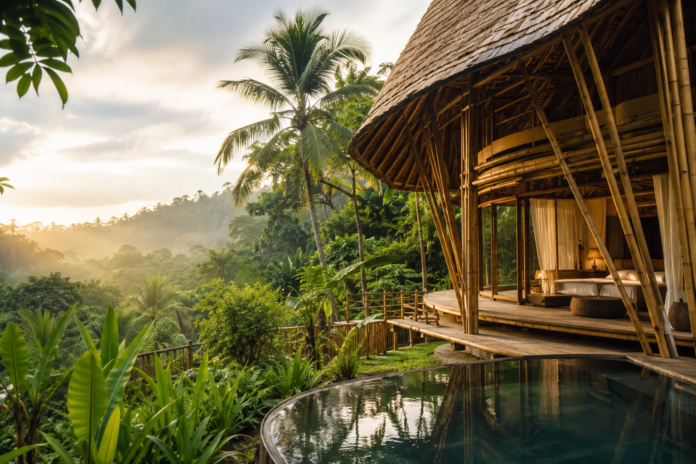

Bali has long been admired for its tropical landscapes, cultural heritage, lush rice fields, and peaceful surroundings. As travellers become more conscious about the impact of tourism, accommodation choices are also changing. Many visitors now look for properties that combine comfort with thoughtful environmental practices.
For those searching for an eco resort Bali Indonesia experience, Bali offers an inspiring range of possibilities. From bamboo architecture and natural landscapes to locally sourced food and community-focused hospitality, eco-conscious resorts can provide a meaningful alternative to conventional accommodation.
Understanding the Eco Resort Concept
An eco resort is more than a property surrounded by trees or decorated with natural materials. Genuine eco-conscious hospitality considers how accommodation affects the environment and surrounding community.
This can involve reducing energy consumption, conserving water, limiting waste, using renewable or locally sourced materials, reducing single-use plastics, supporting local employment, and protecting natural surroundings.
Different resorts naturally have different priorities. Some focus on architecture and construction, while others place greater emphasis on organic farming, renewable energy, conservation, or community development.
For travellers, understanding these differences makes it easier to choose a property that genuinely aligns with their values.
Why Bali Is Ideal for Eco Tourism
Bali’s natural and cultural landscape provides a strong foundation for sustainable tourism.
The island contains mountains, forests, rivers, rice terraces, beaches, coral reefs, and traditional agricultural communities. Many local traditions have also developed around a close relationship with nature.
This creates opportunities for resorts to incorporate local materials, traditional craftsmanship, regional food, and nature-based experiences into their operations.
Instead of creating accommodation that feels disconnected from its surroundings, eco resorts can make the landscape part of the guest experience.
Bamboo Architecture in Bali
Bamboo has become one of the most recognisable materials in Bali’s modern sustainable architecture.
It is a rapidly renewable material and has been used in Asian construction for generations. Contemporary designers have developed new ways of using bamboo to create dramatic roofs, curved structures, open spaces, elevated rooms, and distinctive interiors.
Bamboo architecture can also complement tropical environments visually.
Natural textures and open designs can create a feeling of continuity between indoor and outdoor spaces.
Hideout Bali is one example of a property in East Bali built around architect-designed bamboo houses and natural surroundings. Its accommodation concept combines bamboo architecture with a strong emphasis on nature and a more immersive travel experience.
Sustainable Luxury Without Compromise
Some travellers assume that choosing an eco resort means giving up comfort.
Modern sustainable accommodation demonstrates that this does not have to be the case.
An environmentally conscious resort can still provide comfortable beds, private bathrooms, swimming pools, wellness facilities, high-quality food, Wi-Fi, air conditioning, and beautifully designed living spaces.
The difference is that these facilities can be incorporated into a broader philosophy of responsible hospitality.
Luxury can therefore be defined through privacy, craftsmanship, peaceful surroundings, natural materials, and personalised experiences rather than simply through the size of a property.
Choosing the Right Bali Location
The best location depends on the type of holiday you want.
Ubud
Ubud is surrounded by forests, rice terraces, rivers, temples, and traditional villages. It is particularly popular among travellers interested in wellness, culture, nature, and sustainable design.
East Bali
East Bali provides a quieter environment with rural landscapes, mountains, rice fields, rivers, and traditional villages. Travellers looking for privacy and a slower pace may find this part of the island especially appealing.
Tabanan
Tabanan offers forests, mountains, agricultural landscapes, and less-developed areas. It can be an excellent option for visitors who want to explore a more peaceful side of Bali.
Coastal Areas
Eco-conscious accommodation is also available near Bali’s beaches. These properties may focus on water conservation, waste reduction, marine awareness, and responsible coastal tourism.
Sustainable Practices to Look For
When choosing an eco resort, look beyond marketing language.
A property that genuinely prioritises sustainability should ideally provide clear information about its practices.
Important areas to consider include:
- Renewable energy
- Water conservation
- Waste reduction
- Recycling and composting
- Elimination or reduction of single-use plastics
- Sustainable construction
- Local food sourcing
- Organic gardens
- Wildlife and ecosystem protection
- Local employment
- Community partnerships
These details can help distinguish genuine sustainability from simply using the word “eco” as a marketing term.
Food and Local Agriculture
Food can play an important role in sustainable hospitality.
Some eco resorts grow herbs, vegetables, fruits, and other ingredients on their own land. Others work with nearby farmers and suppliers.
Local sourcing can reduce transportation distances while supporting surrounding agricultural communities.
It can also provide guests with a more authentic culinary experience.
Instead of serving food designed to appeal to an international audience alone, resorts can introduce visitors to regional ingredients and traditional Balinese flavours.
For travellers, dining can therefore become another way of understanding the destination.
Wellness in Natural Surroundings
Bali has become internationally known for yoga, meditation, spa treatments, and wellness retreats.
Eco resorts can enhance these experiences by placing wellness activities within natural surroundings.
A yoga session overlooking rice fields can feel very different from practising inside a conventional studio.
Similarly, meditation beside a river or a spa treatment surrounded by tropical vegetation can create a deeper sense of relaxation.
The environment itself becomes part of the wellness experience.
Supporting Local Communities
Sustainable tourism should benefit local people as well as the environment.
Eco resorts can contribute by hiring local employees, working with nearby suppliers, supporting artisans, offering cultural experiences, and purchasing local products.
Travellers can contribute as well.
Eating at locally owned restaurants, purchasing directly from craftspeople, using local guides, and respecting cultural traditions can help ensure tourism revenue reaches the communities that make Bali distinctive.
A responsible holiday is therefore not simply about reducing environmental damage. It is also about creating positive economic and cultural connections.
Eco Resorts and Slow Travel
An eco resort can encourage a slower style of holiday.
Rather than spending every day travelling long distances between attractions, guests can spend more time appreciating the property and its surroundings.
A morning walk, a locally prepared breakfast, an afternoon beside a natural pool, or an evening watching the sunset can become meaningful parts of the trip.
This approach can also reduce unnecessary transportation and allow travellers to develop a stronger connection with the destination.
What to Consider Before Booking
Before choosing an eco resort, think about your personal priorities.
If sustainability is your main concern, investigate the property’s environmental policies.
If you want a romantic getaway, look for private villas, secluded gardens, or private pools.
Families may need enclosed bedrooms, child-friendly facilities, and safe outdoor areas.
Remote workers should check internet quality and workspace options.
Nature lovers may prefer properties surrounded by forests, rice fields, rivers, or mountains.
Location is equally important. A remote eco resort may provide exceptional tranquillity but require longer journeys to reach Bali’s major attractions.
Travel Responsibly During Your Stay
Guests also have an important role to play.
Simple actions can reduce the environmental impact of a holiday.
Avoid unnecessary plastic, conserve water, use refillable bottles, respect wildlife, follow local guidelines, and avoid damaging plants or natural habitats.
When visiting temples and villages, dress appropriately and respect local customs.
Responsible travel is most effective when both accommodation providers and guests contribute.
The Experience Beyond the Accommodation
An eco resort can make the accommodation itself part of the destination.
Instead of simply returning to a hotel after sightseeing, guests may want to spend time appreciating the architecture, gardens, food, wellness facilities, and surrounding landscape.
This is particularly true of distinctive bamboo properties, where the structure itself can become a memorable part of the journey.
For travellers who appreciate design and nature, staying somewhere architecturally unusual can make the holiday feel more personal and unique.
Final Thoughts
Choosing an eco resort Bali Indonesia property can provide a different way to experience the island—one that combines comfort with greater awareness of nature, culture, and local communities.
From bamboo villas and organic gardens to renewable energy, local food, waste reduction, and community partnerships, sustainable hospitality can take many forms.
The most important step is to research the property carefully and look beyond attractive photographs or broad environmental claims.
A truly thoughtful eco resort integrates sustainability into its daily operations while still creating a comfortable and memorable guest experience.
For travellers who want to slow down, reconnect with nature, appreciate Balinese culture, and make more conscious choices, an eco resort can offer far more than accommodation. It can provide a meaningful way to discover Bali while respecting the landscapes and communities that make the island so special.