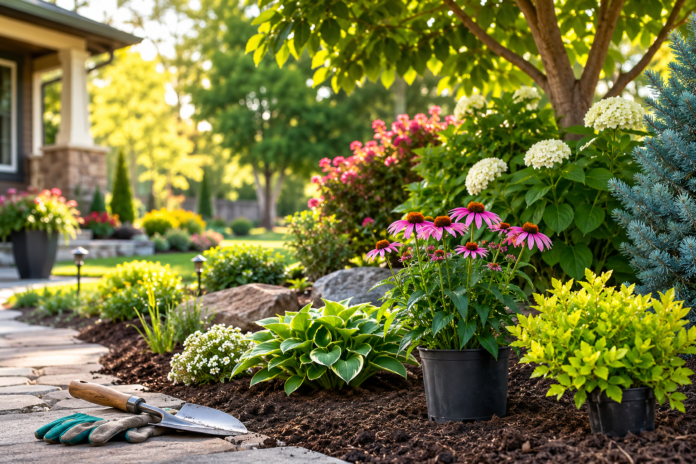

A beautiful landscape is not created by choosing the most colorful plants on display and hoping they work together. The best results come from matching plants to the conditions of the property, the amount of care available, and the overall look you want to achieve. Reading resources such as Village Garden – Plant Nursery & Home Decor reviews can help homeowners think more carefully about plant quality, selection, and how different varieties perform once they are placed in a real yard. A thoughtful plant plan can make a landscape easier to maintain, more attractive throughout the year, and better suited to the way the outdoor space is actually used.
Choosing the right plants also reduces the need for constant replacement. When a plant is placed where it can thrive naturally, it usually requires less intervention and is more likely to develop into a healthy part of the landscape.
Start With the Conditions You Already Have
Before buying anything, take a close look at the property itself.
Sun exposure is one of the most important factors. Some areas may receive full sun for most of the day, while others remain shaded by buildings, fences, or mature trees. A plant that loves direct sunlight may struggle in a shaded corner, while a shade-loving plant can scorch if placed in an exposed area.
Soil conditions matter just as much. Some landscapes have fast-draining sandy soil, while others hold moisture for long periods. Compacted ground can also make it difficult for roots to expand. Learning how water behaves in different parts of the yard helps narrow down which plants are likely to succeed.
Wind exposure, slope, reflected heat, and proximity to hard surfaces should also be considered. These details can create very different growing conditions even within the same property.
Think About Mature Size, Not Just Today’s Appearance
One of the most common landscaping mistakes is choosing plants based on how they look at the time of purchase.
A shrub that appears small and manageable in a container may eventually grow several feet wider and taller. If it is planted too close to a walkway, window, fence, or neighboring plant, frequent pruning may become necessary.
Checking mature height and spread before planting can prevent overcrowding later. It also helps create a landscape that looks balanced as it develops.
Spacing plants correctly gives them room for air circulation and root growth. It can also reduce competition for water and nutrients.
A landscape may look slightly sparse immediately after installation, but allowing enough room for plants to mature usually produces better long-term results than filling every empty space from the beginning.
Match Plants to Your Maintenance Style
Not everyone wants to spend every weekend pruning, watering, fertilizing, and replacing plants.
Before choosing varieties, decide how much maintenance you realistically want to handle. Some plants need regular shaping, seasonal cutting back, frequent watering, or protection from pests. Others can perform well with relatively little attention once established.
Low-maintenance landscaping does not mean choosing boring plants. Many attractive shrubs, grasses, groundcovers, and flowering perennials can provide visual interest without requiring constant care.
The key is selecting plants that match your lifestyle. A high-maintenance garden can become frustrating if there is not enough time to care for it, while a thoughtfully designed lower-maintenance landscape can stay attractive with far less effort.
Use a Mix of Plant Shapes and Heights
A landscape becomes more interesting when plants create different layers.
Taller shrubs or small trees can provide structure in the background. Medium-height plants add fullness, while shorter plants and groundcovers soften borders and fill lower spaces.
Using different leaf shapes and growth habits can also add variety even when the color palette remains simple. Upright plants can contrast with rounded shrubs, while ornamental grasses introduce movement.
This layered approach can make beds appear fuller and more intentional without requiring a large number of different species.
Repeating a few plants throughout the landscape can also create unity. Too many unrelated varieties may make the space feel visually busy.
Consider How Landscaping Professionals Plan Plant Selection
Plant choice is closely connected to the overall layout, drainage, edging, lawn areas, and other landscape features.
Professional landscaping often begins with a broader view of the property rather than selecting plants one at a time. Information available through www.classygrass.pro/ can help property owners understand how planting choices can fit into a complete landscaping plan that balances appearance with practical maintenance. Thinking about the entire outdoor area helps prevent situations where attractive plants are installed in places that conflict with pathways, irrigation, lawn care, or future growth.
A coordinated plan can also make it easier to decide where statement plants should go and where simpler, more durable varieties may be a better fit.
Plan for Interest Across Different Seasons
A landscape should ideally offer something appealing beyond a short flowering period.
Some plants provide spring flowers, while others stand out in summer or autumn. Evergreen varieties can maintain structure during periods when deciduous plants lose their leaves.
Foliage color, bark texture, berries, seed heads, and plant shape can all contribute seasonal interest.
Instead of choosing everything based on what looks best at the nursery on one particular day, consider how the landscape will change throughout the year.
A mixture of plants with different peak seasons can prevent the yard from looking impressive for a few weeks and empty for the rest of the year.
Pay Attention to Water Requirements
Plants with very different water needs can be difficult to manage when they are grouped together.
A moisture-loving plant placed next to a drought-tolerant one creates a problem: the amount of water that keeps one healthy may be too much or too little for the other.
Grouping plants with similar irrigation needs can make watering more efficient. This practice is sometimes called hydrozoning and can be especially useful in larger landscapes.
It also helps reduce wasted water. Rather than watering an entire bed heavily because one variety needs extra moisture, plants can be arranged according to similar requirements.
As plants become established, some may need less frequent watering than they did immediately after installation.
Choose Plants With Purpose
Every plant in a landscape can do more than simply fill space.
Some plants can create privacy around patios or property boundaries. Others can soften the appearance of walls, frame an entrance, direct attention toward a focal point, or help define different outdoor areas.
Groundcovers may help cover bare soil and reduce erosion. Larger plants can provide shade or create a visual screen.
Thinking about function can make plant selection much easier. Instead of asking only, “Do I like this plant?” ask, “What role will this plant have here?”
A plant that solves a practical problem while also improving the appearance of the landscape often provides much more value than one chosen purely for color.
Avoid Choosing Too Many Different Varieties
It can be tempting to buy one of everything that looks interesting.
However, landscapes often feel more polished when a limited number of plant varieties are repeated in groups. Repetition creates rhythm and makes different parts of the yard feel connected.
Large groups of the same plant can also create a stronger visual effect than several individual specimens scattered randomly.
Variety still has a place, especially when creating seasonal interest, but it should be balanced with consistency.
Choosing a simple palette of reliable plants can make the landscape easier to maintain as well because there are fewer individual care requirements to remember.
Leave Room for Future Changes
Landscapes are rarely completely finished.
Plants grow, trees create more shade, families use outdoor spaces differently, and maintenance priorities change over time. A planting plan should allow for some flexibility.
Leaving a few areas open can make it easier to introduce new plants later without overcrowding existing beds. It also gives homeowners an opportunity to see which varieties perform best before expanding them throughout the property.
If a certain shrub thrives with minimal attention, for example, it may make sense to use more of it elsewhere.
Observing the landscape for a full growing season can provide valuable information that is difficult to predict during the initial planning stage.
Build a Landscape That Gets Better With Time
Choosing the right plants is less about following trends and more about understanding how a property works.
Sunlight, soil, water, mature size, maintenance needs, seasonal interest, and purpose should all influence the final selection. When these factors are considered from the beginning, plants are more likely to stay healthy and the landscape becomes easier to care for.
A successful yard should also improve as plants mature. Good spacing, thoughtful repetition, and appropriate placement allow the landscape to develop naturally rather than becoming overcrowded or difficult to manage.
By selecting plants for the conditions they will actually experience, homeowners can create an outdoor space that remains attractive, practical, and enjoyable for years to come.