
Key Benefits of Custom Engagement Rings
The search for the perfect engagement ring marks a significant milestone. It is a symbol of a promise, a unique love story, and a lifetime commitment. For many couples, a pre-made ring might not fully capture their individual vision.
This is where the magic of a custom diamond engagement ring truly shines. Designing your own ring ensures it reflects your personal style, values, and the one-of-a-kind bond you share. It transforms a beautiful piece of jewelry into an heirloom.
In this guide, we will walk you through everything you need to know about creating a custom engagement ring in Tucson. We will explore the key benefits of customization, help you understand diamond choices, and detail the bespoke design process. From initial sketches to the final handcrafted piece of exquisite bridal designer jewelry, we will empower you to make informed decisions for this cherished symbol.
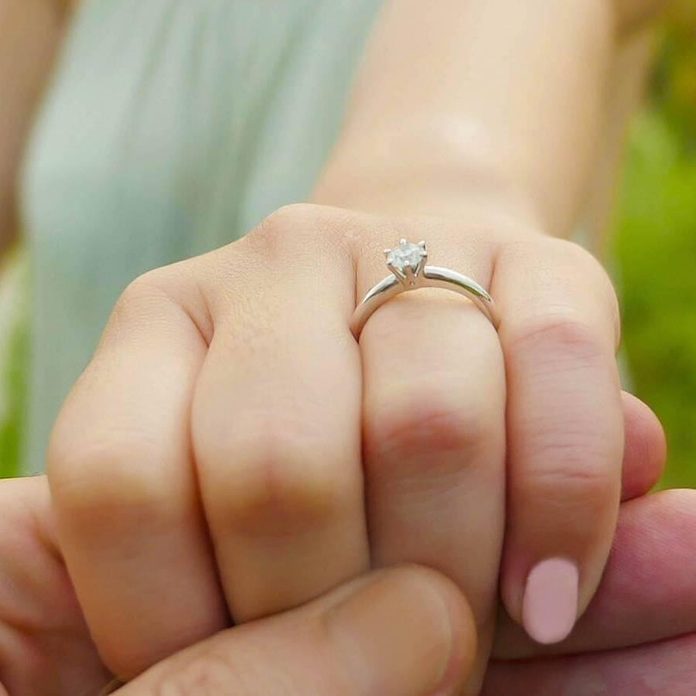
Opting for a custom engagement ring offers a multitude of advantages that go beyond simply acquiring a piece of jewelry. It’s about creating a tangible representation of a unique bond, tailored to the wearer’s personality and the couple’s shared journey. The process itself becomes part of the love story, culminating in a ring that is truly one-of-a-kind.
One of the primary benefits is the opportunity for unique expression. Unlike mass-produced rings, a custom design allows for complete personalization, ensuring that no one else will have an identical piece. This individuality speaks volumes about the thought and care invested in the proposal. Every curve, every facet, and every stone placement can be meticulously chosen to reflect the wearer’s style, hobbies, or even significant memories.
This leads directly to personalized detailing. From selecting the exact diamond shape to incorporating subtle engravings or unique metalwork, every element can be customized. This level of detail makes the ring profoundly meaningful, transforming it from a mere accessory into a deeply personal emblem. Perhaps it’s a hidden gemstone representing a birthstone, or a specific filigree pattern inspired by a cherished memory – these are the nuances that only custom design can achieve.
Another significant advantage is the ability to work within a tailored budget. While it might seem counterintuitive, custom rings can often be more budget-friendly than expected. Instead of being limited to pre-set options that might include features you don’t prioritize, a custom design allows you to allocate your resources precisely where they matter most to you. Jewelers can guide you in making informed choices about diamond size, quality, and metal type to maximize impact without overspending. This control ensures that you get the most value for your investment, creating a stunning ring that aligns with your financial comfort.
The involvement of artisanal craftsmanship is also a hallmark of custom engagement rings. When you choose a custom design, you are often collaborating with highly skilled jewelers who pour their expertise and passion into every detail. These artisans use traditional techniques alongside modern technology to bring your vision to life, ensuring a level of quality and precision that is often unparalleled. This hands-on approach results in a ring that is not just beautiful but also meticulously constructed to last a lifetime and beyond.
Finally, the aspect of ethical diamond sourcing has become increasingly important to couples today. When working with a custom jeweler, you have the opportunity to discuss and ensure that your chosen diamonds and precious metals are sourced responsibly. Many jewelers in Tucson are committed to providing transparency regarding the origin of their materials, offering options like conflict-free natural diamonds or ethically grown lab-grown diamonds. This peace of mind adds another layer of value and integrity to your custom engagement ring.
Personalized Aesthetics in Custom Engagement Rings
The aesthetic appeal of an engagement ring is deeply personal, and custom design allows for an unparalleled exploration of individual taste. The choice of diamond silhouette, for instance, dramatically influences the ring’s overall look and feel. Each shape possesses its own unique character and brilliance, allowing couples to select one that perfectly resonates with the wearer’s style.
The round brilliant cut remains the most popular choice, celebrated for its exceptional fire and sparkle, a result of its 58 facets expertly arranged to maximize light return. It offers a classic, timeless elegance that appeals to a wide range of preferences. For those seeking a more contemporary yet equally brilliant option, the emerald cut presents a sophisticated, rectangular shape with step facets that create a unique hall-of-mirrors effect. Its long lines and broad flashes of light exude understated glamour and a vintage charm.
The oval cut combines the brilliance of a round diamond with an elongated shape that can make fingers appear longer and more slender. It offers a fresh, modern twist on a classic, providing significant sparkle. Similarly, the cushion cut, often described as a hybrid of the round and princess cuts, features rounded corners and larger facets, which enhance its brilliance and give it a soft, romantic appeal. It’s a popular choice for those who appreciate both vintage aesthetics and modern sparkle.
For a truly distinctive and elegant look, the pear shape diamond, with its single pointed end and rounded opposite end, offers a beautiful teardrop silhouette. This cut is often chosen for its unique asymmetry and ability to elongate the finger. The marquise cut, with its elongated, boat-shaped outline and pointed ends, maximizes carat weight, making the diamond appear larger than its actual size. It’s a dramatic and regal choice. The princess cut, a square or rectangular shape with sharp, un-cropped corners, is a modern and popular choice for its contemporary edge and impressive brilliance. Finally, the Asscher cut, a square version of the emerald cut, features cropped corners and a similar step-cut faceting, offering a distinctive art-deco appeal and a mesmerizing geometric pattern.
Beyond the diamond’s shape, custom design also allows for the creation of unique ring profiles. This refers to the side view of the ring, encompassing elements like the height of the setting, the curve of the band, and any intricate details on the gallery. Whether it’s a sleek, low-profile design for practicality, a high-set solitaire to emphasize the diamond, or an elaborate vintage-inspired profile with filigree and milgrain, these personalized touches ensure the ring is truly a reflection of individual taste.
Tailoring Quality and Diamond Value
Understanding the factors that influence a diamond’s quality and value is paramount when designing a custom engagement ring. The industry standard for evaluating diamonds is the 4Cs criteria: Carat weight, Clarity grade, Color scale, and Cut precision. Each of these elements plays a crucial role in a diamond’s beauty, rarity, and ultimately, its price. By mastering the 4Cs, you can make informed decisions that allow you to maximize the impact of your ring within your tailored budget.
Carat weight refers to the diamond’s weight, not its size. One carat equals 200 milligrams. While a higher carat weight generally means a larger diamond, the cut can significantly influence how big a diamond appears. For instance, a well-cut diamond might appear larger than a poorly cut diamond of the same carat weight because its proportions maximize its face-up size.
The clarity grade assesses the absence of inclusions (internal flaws) and blemishes (external imperfections). Diamonds are graded on a scale from Flawless (FL) to Included (I). While Flawless diamonds are exceedingly rare and expensive, many diamonds with slight inclusions (VS1, VS2) or very slight inclusions (SI1, SI2) are eye-clean, meaning their imperfections are not visible to the naked eye. Choosing an eye-clean diamond in a lower clarity grade can offer significant value without compromising visual beauty.
The color scale evaluates the absence of color in white diamonds, ranging from D (colorless) to Z (light yellow or brown). D-F diamonds are considered colorless, G-J are near-colorless, and K-M have faint color. For most engagement rings, a near-colorless diamond (G-I) offers excellent value, appearing white to the naked eye, especially when set in white metals. The choice of metal can also influence how a diamond’s color appears; a warmer-toned diamond might look stunning in yellow gold, while a colorless diamond shines brightest in platinum or white gold.
Finally, cut precision is arguably the most critical of the 4Cs, as it determines a diamond’s sparkle, brilliance, and fire. Unlike the other Cs, which are inherent to the diamond, the cut is determined by human skill. An excellent cut maximizes a diamond’s interaction with light, regardless of its carat weight or color. A poorly cut diamond, even with high clarity and color, will appear dull. Cut grades range from Excellent (or Ideal) to Poor, and investing in a diamond with an Excellent or Very Good cut is highly recommended to ensure maximum visual impact.
When considering diamond value, it’s also essential to explore the options of natural mined versus lab-grown diamonds. Natural diamonds are formed deep within the Earth over billions of years, making them a finite natural resource. Lab-grown diamonds, on the other hand, are created in controlled laboratory environments using advanced technological processes that replicate the natural diamond-forming conditions. Chemically, physically, and optically, they are identical to natural diamonds. The primary difference lies in their origin and, often, their price point. Lab-grown diamonds typically offer a more accessible entry point for larger carat weights or higher clarity and color grades, providing an excellent alternative for those seeking significant sparkle within a specific budget. Many local jewelers in Tucson offer both options, allowing you to choose based on your values and preferences.
Feature Natural Mined Diamonds Lab-Grown Diamonds Origin Formed naturally within the Earth over billions of years Created in a controlled laboratory environment Composition Pure crystallized carbon Pure crystallized carbon Physical Properties Identical Identical Optical Properties Identical Identical Rarity Finite natural resource, considered rare Unlimited production potential Price Point Typically higher per carat Generally 30-50% less expensive than natural diamonds Certification Graded by GIA, AGS, IGI, etc. Graded by IGI, GIA (for some), GCAL, etc. Ethical Sourcing Requires careful sourcing to ensure conflict-free Inherently conflict-free Environmental Impact Mining involves environmental disruption Energy-intensive production, but often lower carbon footprint
The Step-by-Step Bespoke Design Process
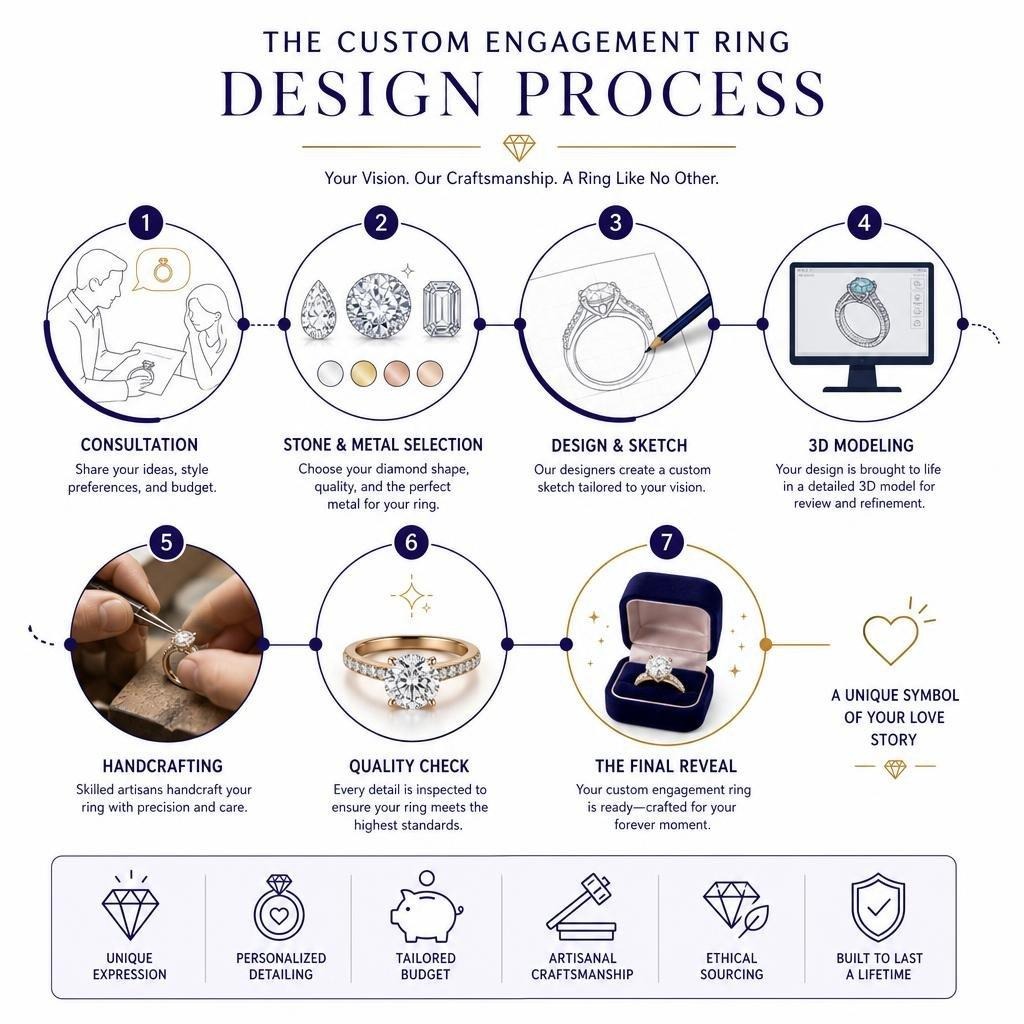
Embarking on the journey of creating a custom engagement ring is an exciting and collaborative experience. It involves a series of thoughtful steps, guided by skilled artisans, to transform your vision into a tangible symbol of love. The process emphasizes artisan collaboration, ensuring that your ideas are heard and expertly translated into a design. From the initial spark of inspiration to the final polished piece, each stage is crucial for achieving a perfect outcome.
Effective timeline management is also a key component of the bespoke process. Custom rings require time for design, material sourcing, and meticulous craftsmanship. Understanding the typical lead times will help you plan your proposal accordingly, ensuring there’s no rush and every detail can be perfected. Most jewelers will provide an estimated timeline during your initial consultation.
Furthermore, gemstone curation is an integral part of the process. Whether you’re selecting a natural mined diamond, a lab-grown diamond, or incorporating other precious gemstones, your jeweler will guide you through a curated selection, explaining the characteristics and nuances of each stone. This personalized approach ensures you find the perfect center stone and accent diamonds that meet your aesthetic and quality preferences.
The entire process is underpinned by master craftsmanship. The hands-on skill and expertise of the jewelers are what bring the design to life. From setting the stones to polishing the metal, every detail is executed with precision and care, resulting in a ring that is not only beautiful but also structurally sound and built to endure.
Initial Consultation and Concept Sketching
The custom design journey begins with an initial consultation, a crucial first step where your vision starts to take shape. During this meeting, you’ll engage in an open dialogue with a design expert, discussing your ideas, preferences, and inspirations. This stage is all about aesthetic discovery, where the jeweler helps you articulate what you envision for the ring. They will ask about the wearer’s personal style, whether it leans towards classic, modern, vintage, or avant-garde. Discussions will cover preferred metal colors, diamond shapes, and any specific design elements that hold sentimental value.
You’ll explore various setting styles, each offering a distinct look and level of diamond protection. The solitaire ring, a timeless classic, features a single prominent diamond, emphasizing its beauty and brilliance. A halo setting encircles the center stone with smaller diamonds, enhancing its perceived size and adding extra sparkle. The three-stone design symbolizes the past, present, and future of a relationship, featuring a larger center stone flanked by two smaller diamonds. Other popular settings include bezel, pavé, channel, and tension settings, each providing a unique aesthetic and security for the diamonds.
Metal selection is another vital aspect discussed during this phase. Options typically include platinum, 14K or 18K white gold, yellow gold, and rose gold. Each metal offers different durability, color, and hypoallergenic properties, which the jeweler will explain. Based on these discussions, the jeweler will begin concept sketching, translating your verbal descriptions and any reference images into preliminary drawings. These sketches serve as the first visual representation of your custom ring, allowing you to provide feedback and refine the design before moving to the next stage. This collaborative sketching process ensures that the design truly aligns with your expectations and dreams.
CAD Modeling and Wax Prototyping
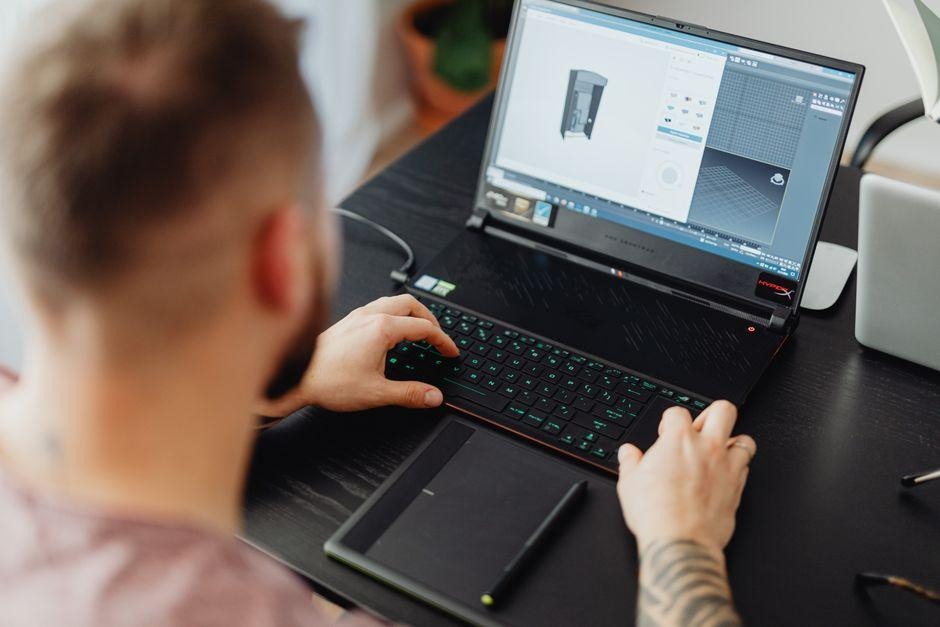
Once the initial sketches are approved, the design moves into the digital realm with CAD modeling. This stands for Computer-Aided Design, a sophisticated process where jewelers create a precise, three-dimensional digital rendering of your ring. This stage allows for incredible accuracy and the ability to visualize the ring from every angle. The CAD model will show all the intricate details, from the prongs holding the diamond to the texture of the band, in perfect proportion. This digital blueprint ensures that every measurement is exact and every design element is precisely where it should be.
Following the CAD approval, the next exciting step is 3D wax model creation. Using a specialized 3D printer, a physical wax prototype of your ring is produced based on the CAD design. This wax model is an exact replica of what your finished ring will look like, albeit in a different material. This tangible model offers a unique opportunity for physical fit inspection. You can try on the wax model to assess its comfort, feel its weight, and get a real sense of its size and proportions on your finger. This step is invaluable for making any final adjustments to the design before the ring is cast in precious metal. It allows for a tactile confirmation of the design, ensuring dimensional accuracy and overall satisfaction with the ring’s form and feel. Any minor tweaks to the band width, setting height, or overall profile can be made at this stage, preventing costly changes later in the process.
Stone Sourcing and Final Assembly
With the wax model approved and the design finalized, the jeweler proceeds with stone sourcing. This critical step involves carefully selecting the perfect center stone that matches your specifications for the 4Cs (cut, color, clarity, and carat weight). The jeweler will present you with a curated selection of diamonds, whether natural or lab-grown, that fit your criteria and budget. This personalized selection ensures that the heart of your ring is exactly what you envisioned.
In addition to the center stone, accent diamonds are also meticulously chosen. These smaller diamonds, used in halo settings, pavé bands, or as side stones, are selected to complement the center stone’s brilliance and enhance the overall sparkle of the ring. Quality matching for color and clarity is essential to create a harmonious and dazzling effect.
Once all the stones are sourced, the ring moves into the final assembly phase. The wax model is used to create a mold, into which the chosen precious metal (e.g., platinum, 14K white gold) is cast. After casting, the metal is carefully cleaned, polished, and prepared for stone setting. The skilled artisan then meticulously sets each diamond, using techniques like prong setting, bezel setting, or pavé setting, depending on the design. This requires immense precision and expertise to ensure each stone is secure and perfectly aligned to maximize its brilliance.
The ring then undergoes hand finishing, a process that includes detailed polishing, refining edges, and ensuring every surface is smooth and lustrous. This artisanal touch brings out the true beauty of the metal and diamonds. Finally, many couples opt for custom engraving, adding a personal message, date, or initials to the inside of the band. This final detail adds an intimate and enduring touch, making the ring even more special and unique to your love story. The completed ring is then thoroughly inspected for quality and presented to you, ready to begin its journey as a cherished heirloom.
Key Elements in Crafting Bespoke Bridal Jewelry
Crafting bespoke bridal jewelry goes beyond aesthetics; it involves a deep understanding of materials, design principles, and the practicalities of daily wear. When designing an engagement ring, it’s crucial to consider its structural durability and how it will withstand the test of time. An engagement ring is meant to be worn every day, becoming a constant companion and a symbol of enduring love. Therefore, its construction must be robust enough to handle the rigors of daily life without compromising its beauty or the security of its precious stones.
This leads directly to the importance of daily wearability. A custom ring should not only look stunning but also feel comfortable and practical for the wearer. Factors like the height of the setting, the smoothness of the band, and the security of the stone settings all contribute to how easily and comfortably the ring can be worn. A well-designed custom ring takes into account the wearer’s lifestyle, ensuring it’s not prone to snagging on clothes or getting in the way of everyday activities.
The choice of metal pairing is also a significant consideration. Different precious metals offer varying degrees of hardness, resistance to scratching, and overall longevity. The metal not only forms the foundation of the ring but also plays a crucial role in complementing the diamond’s brilliance and color. The right metal choice ensures that the ring maintains its integrity and beauty for generations.
The goal of bespoke bridal jewelry is to create an heirloom longevity. A custom engagement ring is often envisioned as a piece that will be passed down through families, carrying with it stories and memories. This aspiration necessitates careful attention to every detail of its construction, from the quality of the materials to the integrity of the craftsmanship, ensuring it remains a cherished treasure for many lifetimes.
Selecting Settings and Precious Metals
The choice of setting and precious metal is fundamental to the overall aesthetic, durability, and character of a custom engagement ring. These elements work in harmony to showcase the diamond and reflect the wearer’s personal style.
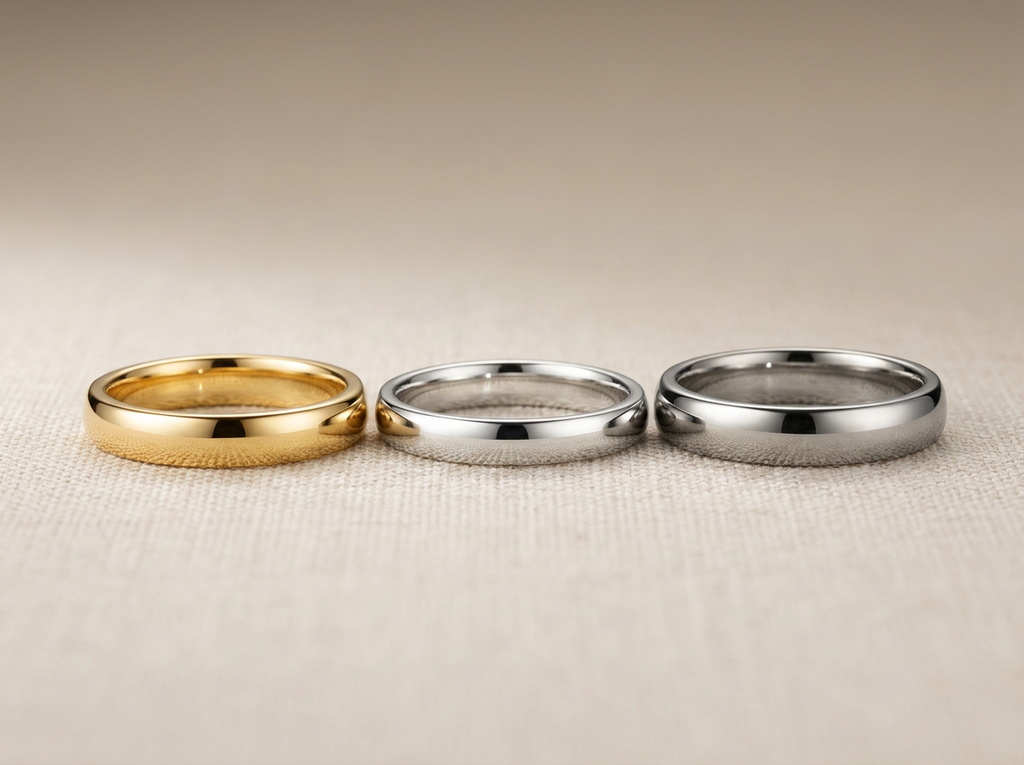
When it comes to precious metals, several popular options offer distinct advantages. 14K white gold and 18K white gold are widely chosen for their bright, silvery appearance, which beautifully complements white diamonds. White gold is an alloy of gold and other white metals, typically plated with rhodium to enhance its whiteness and luster. 18K yellow gold offers a classic, warm glow that has been cherished for centuries. Its rich hue can make diamonds with a slight yellow tint appear whiter by contrast, and it exudes a traditional elegance. Platinum, a naturally white and exceptionally durable metal, is a premium choice. It is denser and stronger than gold, making it highly resistant to wear and tear. Platinum is also hypoallergenic, making it an excellent option for those with sensitive skin. Each metal has its own maintenance requirements and aesthetic appeal, and your jeweler can help you weigh these factors.
Beyond the metal, the setting style plays a crucial role in both the ring’s design and the security of its diamonds. A bezel setting, for example, encircles the entire diamond with a thin rim of metal, offering maximum protection and a sleek, modern look. This is an excellent choice for active individuals or those seeking a contemporary aesthetic. Pavé diamonds are small diamonds set closely together, creating a continuous surface of sparkle. This technique is often used on the band or in a halo around the center stone, adding significant brilliance and a luxurious feel. Other settings like prong, channel, and tension settings each offer unique visual effects and levels of protection, allowing for diverse design possibilities within your custom creation. The selection of these elements is a collaborative decision between you and your jeweler, ensuring the final piece is both stunning and perfectly suited for its wearer.
Practical Tips for Ordering Custom Engagement Rings
Ordering a custom engagement ring is an exciting process, but a few practical considerations can ensure a smooth and satisfying experience. Understanding these aspects will help you navigate the journey with confidence and end up with a ring that is not only beautiful but also well-maintained for years to come.
First, be mindful of the design lead time. Custom rings are not off-the-shelf items; they require dedicated time for consultation, design, sourcing, crafting, and finishing. Depending on the complexity of the design, the availability of specific stones, and the jeweler’s current workload, the process can take anywhere from several weeks to a few months. It’s always best to start the process well in advance of your proposed engagement date to avoid any last-minute stress. Your local Tucson jeweler will provide a clear timeline during your initial consultation.
Accurate ring sizing is absolutely crucial. An ill-fitting ring can be uncomfortable, easily lost, or even damaged. Jewelers typically have sizers to determine the correct finger size. It’s important to consider factors like temperature (fingers swell in heat and shrink in cold) and time of day when getting sized. If the ring is a surprise, discreetly borrowing a ring that the wearer already wears on the same finger can provide a good starting point, though a professional sizing after the proposal is often recommended for perfect fit. Many custom jewelers offer one complimentary resizing after purchase.
Once you have your custom ring, routine cleaning is essential to maintain its sparkle. Diamonds attract oils and dirt, which can dull their brilliance. A simple at-home cleaning solution of warm water, a mild dish soap, and a soft toothbrush can work wonders. Many jewelers also offer professional cleaning services, which can restore your ring to its original luster.
Regular jewelry inspection is another vital practice. It’s recommended to have your ring professionally inspected by your jeweler at least once a year. During this inspection, the jeweler will check for any loose stones, worn prongs, or signs of damage to the metal. This proactive approach can prevent minor issues from becoming major problems, ensuring the longevity of your cherished piece.
Specifically, prong tightening is a common maintenance task. Prongs are the small metal claws that hold the diamond securely in its setting. Over time and with daily wear, prongs can become loose or bent, putting the diamond at risk. A jeweler can easily tighten or re-tip prongs during an inspection, ensuring your diamond remains safely in place.
Finally, obtaining an insurance appraisal for your custom engagement ring is a critical step. Once your ring is complete, your jeweler can provide an official appraisal document detailing its characteristics, value, and a photograph. This appraisal is necessary for insuring your ring against loss, theft, or damage, providing peace of mind for such a significant investment. Discuss insurance options with your jeweler, as they often have recommendations for reputable jewelry insurers.
Frequently Asked Questions
When embarking on the journey of creating bespoke bridal jewelry, it’s natural to have many questions. The custom design process, while rewarding, can seem complex at first glance. Addressing these common inquiries can provide much-needed clarity and help you feel more confident as you move forward with your unique creation.
How long does the custom design process typically take?
The production timeline for a custom engagement ring can vary significantly based on several factors, but generally, it spans from a few weeks to several months. The initial phase, including the consultation and 3D modeling duration, usually takes 1-3 weeks. This allows for detailed discussions, sketching, CAD design, and the creation of a wax prototype for your approval.
Following design approval, gemstone sourcing can take anywhere from a few days to several weeks, especially if you have very specific requirements for a unique or rare diamond. Once all materials are gathered, the hand-crafting phase begins, which involves casting the metal, setting the stones, and meticulous finishing. This stage typically requires 2-4 weeks.
Overall, from your first consultation to the moment you pick up your finished ring, you should generally anticipate a timeframe of 4 to 12 weeks. It’s always advisable to discuss the estimated timeline with your Tucson jeweler during your initial consultation, especially if you have a specific proposal date in mind. Planning ahead ensures a relaxed and enjoyable design experience.
Are custom rings more expensive than pre-set options?
The perception that custom rings are inherently more expensive than pre-set options is a common misconception. While some highly intricate custom designs can indeed carry a premium, a custom ring often offers greater budget control and can even be more cost-effective for achieving a specific look.
With a custom design, you have the flexibility to prioritize what matters most to you. You can make strategic choices regarding the diamond’s 4Cs, the metal type, and the complexity of the setting to fit within your financial comfort zone. For example, you might opt for a slightly lower clarity diamond that is still eye-clean, or choose 14K white gold instead of platinum, allowing you to allocate more of your budget towards a larger or higher-quality center stone.
The ability for metal weight optimization also plays a role. A skilled jeweler can design a ring that is structurally sound yet uses an optimal amount of precious metal, avoiding unnecessary material costs. Furthermore, custom stone selection empowers you to explore options like lab-grown diamonds, which offer significant savings compared to their natural counterparts while providing identical optical and physical properties.
A custom design offers greater price flexibility. Instead of being limited to the price points of pre-designed rings, you work with your jeweler to create a piece that perfectly balances your aesthetic desires with your financial plan. This often results in a ring that feels more valuable and personal, without necessarily breaking the bank.
Can heirloom diamonds or vintage gemstones be repurposed?
Absolutely! Repurposing heirloom diamonds or vintage gemstones into a new custom engagement ring is a beautiful and increasingly popular option. It’s a wonderful way to honor family history, create a meaningful connection to the past, and infuse your new ring with incredible sentimental value.
The process typically begins with stone resetting. Your existing diamond or gemstone can be carefully removed from its original setting and incorporated into a completely new custom design. This allows you to modernize a vintage stone, create a more secure setting, or simply match it to a style that better suits the wearer’s taste. Many couples choose to keep the original stone but update the surrounding design to reflect contemporary aesthetics while retaining the family legacy.
Beyond just the stone, heirloom redesign can involve using elements from older pieces to inspire or directly contribute to the new ring. Perhaps a unique filigree pattern from a grandmother’s ring can be replicated, or smaller diamonds from an antique brooch can be used as accent stones in the new design. This breathes new life into cherished pieces that might otherwise sit unworn.
Some jewelers also offer metal recycling. If the original setting is made of precious metal, it can often be melted down and incorporated into the new ring, further enhancing the ring’s connection to its heritage and potentially reducing the cost of new materials. This sustainable approach adds another layer of meaning to your custom creation.
The primary benefit of repurposing is the immense sentimental value it adds. An heirloom diamond carries stories, memories, and the love of generations past. Integrating it into your engagement ring creates a powerful symbol of continuity and enduring love, making your custom piece truly irreplaceable. Your Tucson jeweler can assess the condition of your existing stones and advise on the best approach for their safe and beautiful integration into a new design.
Conclusion
The journey of choosing a custom diamond engagement ring in Tucson is more than just a transaction; it’s a deeply personal and creative process. It’s an opportunity to craft a symbol that perfectly encapsulates your unique love story and commitment. From the initial spark of an idea to the final polished masterpiece, the bespoke journey allows for unparalleled personalization, ensuring every detail reflects your vision and values.
We’ve explored the myriad benefits of custom design, from unique expression and tailored budgeting to the assurance of ethical sourcing and artisanal craftsmanship. Understanding the 4Cs empowers you to make informed decisions about your diamond, whether you choose a classic natural stone or an innovative lab-grown alternative. The step-by-step process, from concept sketching and CAD modeling to stone sourcing and final assembly, ensures that your ring is meticulously crafted to perfection.
By considering key elements like structural durability, daily wearability, and metal pairing, you contribute to the heirloom longevity of your custom piece. Practical tips for lead times, sizing, and maintenance further ensure that your cherished ring remains as radiant as your love.
A custom engagement ring is an enduring testament to your unique bond. It’s a lifelong symbol, meticulously brought to life by skilled artisans, ready to mark the beginning of your shared future. We encourage you to embrace this bespoke journey and create a piece of jewelry that will be treasured for generations to come.