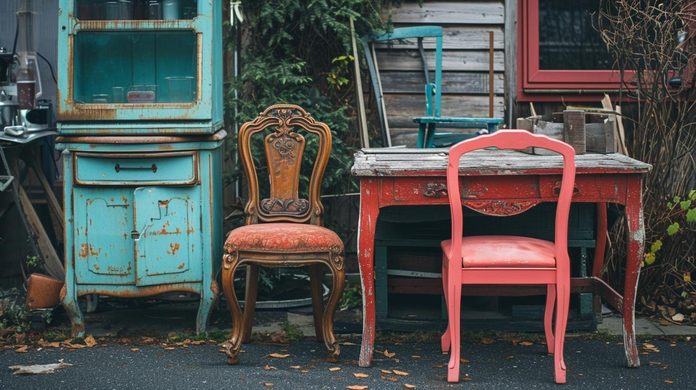

When an old sofa, recliner, or sectional is removed from your home, its journey may be far from over. A professional sofa removal company Denver CO can help homeowners clear unwanted furniture while creating opportunities for donation, reuse, recycling, and responsible disposal. Understanding what happens after pickup makes it easier to choose a removal service that values both convenience and sustainability.
Instead of assuming every piece ends in a landfill, it is worth exploring how furniture is evaluated, sorted, and directed toward its next destination. The process depends on the furniture condition, materials, and the options available through the removal provider.
1. The Journey Begins with an Inspection
After furniture is collected, the first step is usually assessing its condition. Removal teams consider whether an item is clean, structurally sound, functional, and suitable for another owner.
A sofa with sturdy frames and clean upholstery may still be useful, while furniture with severe damage, extensive stains, or other problems may not qualify for donation. These checks help determine whether an item should be reused, repaired, recycled, or disposed of.
Sorting furniture according to its condition also helps prevent usable materials from being discarded unnecessarily. The goal is to identify the most practical next step for every item.
2. Usable Furniture May Find a New Home
Furniture that remains in good condition can often serve another household. Charities, nonprofit organizations, donation centers, and secondhand furniture stores may accept sofas, chairs, tables, and other household furnishings that meet their requirements.
Donating suitable furniture can help families furnish their homes at lower costs while extending the useful life of existing products. Some items may also be resold or passed along to people looking for affordable furniture.
However, donations are not guaranteed for every piece. Acceptance depends on cleanliness, structural conditions, local demand, and the receiving organization’s policies.
3. Repair and Refurbishment Can Extend Furniture Life
Some furniture falls between being ready for immediate reuse and being completely unusable. A sofa with minor upholstery damage or a chair with loose fittings may still have potential after repairs.
Refurbishment involves restoring an item so it can be used again. Depending on the furniture, this might include replacing fabric, repairing wooden frames, tightening joints, or replacing damaged components.
These improvements can help reduce waste and preserve the resources used to manufacture the original product. When practical, refurbishment offers another alternative to disposal and allows furniture to remain useful for longer.
4. Recycling Recovers Valuable Materials
When furniture cannot be reused, recycling may provide another option. Many items contain materials such as metal, wood, and certain plastics that may be recoverable through appropriate recycling facilities.
For example, metal sofa frames and springs may be separated for scrap recycling when accepted by a local facility. Wooden components may also be recyclable depending on their treatment, condition, and the facility’s requirements.
Not every part of a sofa can be recycled, especially when materials are mixed, glued, upholstered, or difficult to separate. A responsible removal provider can help identify suitable recycling options instead of assuming that all furniture belongs in the trash.
5. What Happens to Furniture That Cannot Be Saved?
Unfortunately, some furniture is too damaged, contaminated, or worn out for donation or refurbishment. When recycling is not practical, disposal may be necessary.
The destination depends on local waste management facilities, material restrictions, and the removal of the company’s procedures. Some items may require special handling, so it is important to confirm that the provider follows appropriate disposal practices.
Choosing a company that considers donation and recycling before disposal can help reduce unnecessary waste. Although not every item can be diverted from a landfill, making informed decisions can improve the overall outcome.
6. Why Choosing the Right Removal Company Matters
Furniture removal involves more than lifting a heavy sofa and transporting it away. A reliable provider should explain its pickup process, available disposal options, scheduling, and any additional charges before work begins.
A professional furniture hauling company denver CO can simplify the process by handling bulky furniture and helping determine the appropriate next step for unwanted items. Before booking, ask whether the company works with donation centers, identify recyclable materials, and explain how unusable furniture is handled.
Furniture Removal Guys helps homeowners explore furniture removal solutions throughout the Denver metro area. Choosing a provider that emphasizes responsible handling can make clearing your space more convenient and environmentally conscious.
Give Your Old Furniture a Responsible Next Step
Your old furniture may have more potential than you think. Donation, resale, refurbishment, and recycling can extend its usefulness, support local communities, and reduce waste when suitable options are available.
Whether you are replacing a sectional, clearing a spare room, or preparing a move, understanding what happens after pickup helps you make a more informed decision. Contact Furniture Removal Guys to discuss your furniture removal needs and find a convenient way to clear unwanted items from your Denver-area home.