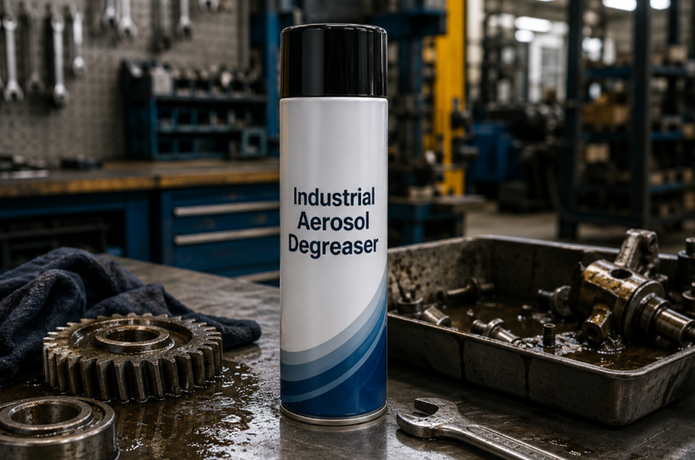

Maintenance shops accumulate aerosol cans faster than almost any other consumable. They arrive with equipment deliveries, get bought for one repair, and then sit on a shelf until somebody needs them again. An industrial aerosol degreaser holds pressurized solvent and propellant together in a thin-walled container, which makes storage conditions and handling habits far more consequential than most shops assume. Treating those cans as controlled inventory rather than loose supplies protects both the people working around them and the performance of the product itself when it is finally put to use.
Storage Conditions That Protect Product Performance
Temperature is the first variable worth controlling. Pressurized containers respond directly to heat, and a shelf near a furnace, a welding bay, or a sun-facing window subjects cans to swings that manufacturers never intended. A cool, dry, well-ventilated cabinet away from ignition sources and direct sunlight remains the practical standard. Storage limits set by local fire code often apply once a shop passes a modest aggregate quantity, so it is worth confirming those thresholds with the authority having jurisdiction rather than assuming a general rule covers every situation.
Ventilation, Substrate Checks, and Application Habits
Solvent vapor behaves differently in a closed maintenance bay than it does on an open floor. Mechanical ventilation, an open bay door, or a portable extraction unit all reduce accumulation in low areas where heavier vapors settle. Before spraying, a short compatibility check on an inconspicuous area protects painted surfaces, gaskets, and plastic housings that may soften under aggressive chemistry. Short controlled bursts applied to a cloth often clean more effectively than a continuous spray, and they reduce both overspray and the volume of product consumed on a single task.
Personal Protection and Equipment Isolation
Handling practices matter as much as storage. Chemical-resistant gloves and eye protection remain the baseline, with respiratory protection determined by the ventilation available and the duration of the work. Energized equipment introduces a separate hazard, because solvent applied near live components can carry current or ignite. Locking out and de-energizing before cleaning removes that risk entirely. Shops that build these steps into a written procedure rather than relying on individual judgment tend to see far more consistent behavior across shifts and among newer technicians who have not yet developed their own habits around chemical use.
Receiving, Rotation, and Inventory Control
Aerosol products age, and a can that has sat for years may deliver an inconsistent spray pattern or a partially clogged valve. Dating cans on arrival and rotating older stock forward prevents that quietly wasteful outcome. Established industrial chemical distributors can usually supply current safety data sheets alongside each shipment, which keeps documentation aligned with what is physically on the shelf. Keeping a simple log of quantity on hand also prevents duplicate ordering and helps a shop stay under the storage thresholds that apply to its facility.
Disposal and Empty Container Management
Disposal is where good habits frequently break down. A can holding residual product and propellant is not ordinary scrap, and puncturing or crushing it outside an approved system introduces both fire and exposure risk. Segregating spent cans in a dedicated container, away from heat and general waste, keeps the shop compliant while the material waits for collection. Waste classification varies by state and by product, so confirming the correct handling path with a licensed waste contractor is a reasonable step before a disposal routine becomes established practice.
Conclusion
Aerosol chemistry earns its place in maintenance work because it is fast, portable, and precise. Those same qualities make it easy to treat casually. Controlled storage temperatures, deliberate ventilation, verified substrate compatibility, disciplined stock rotation, and a defined disposal path together remove most of the risk without slowing anyone down. Shops that formalize these practices protect their technicians, extend the useful life of the product on their shelves, and avoid the kind of preventable incident that draws attention from inspectors and insurers alike.