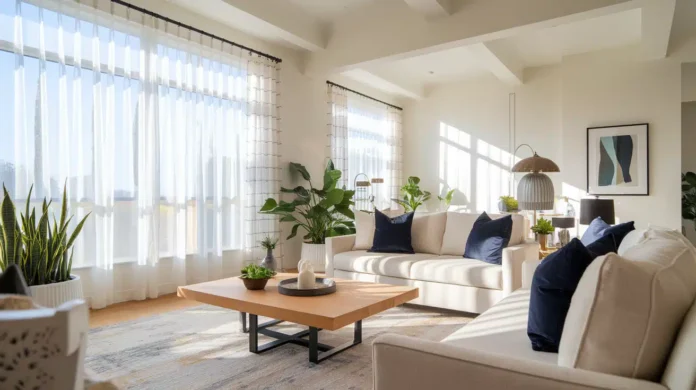

The Difference Between Furnishing a Home and Designing One
There is a meaningful difference between buying furniture for a home and designing a home’s interior. The first is a series of individual purchasing decisions; the second is a holistic process that considers how spaces flow into each other, how natural and artificial light will behave throughout the day, and how the home will support the specific patterns of daily life of the people who will live in it.
Many homeowners take the former approach by default — buying a sofa here, a dining table there — and end up with a home that functions adequately but never quite coheres into something that feels complete. A design-led approach produces a fundamentally different result.
Starting with How You Actually Live
The most important input to any home interior design process is an honest understanding of how you and your household actually live. Do you cook elaborate meals or eat out most evenings? Do you work from home? Do you entertain often, and in what style — formal dinner parties or casual gatherings?
The answers to these questions should directly shape every design decision, from the size and configuration of the kitchen to the storage provision in the bedroom to the flexibility built into the living area. A home designed around how you actually live will serve you far better over the long term.
Establishing a Design Language
Cohesive interiors are held together by a consistent design language — a set of recurring choices about color, material, form, and detail that create visual unity across different rooms and functions. This doesn’t mean every room looks the same; it means they feel like they belong to the same home.
Establishing this design language early — before individual purchases are made — is one of the most valuable contributions of professional home interior design services. A skilled designer will develop a coherent direction for the entire home, ensuring that each decision contributes to the whole rather than fragmenting it.
The Role of Space Planning
Space planning — determining how furniture and fixtures should be arranged within each room — is a discipline that most homeowners underestimate. Intuitive furniture placement often results in rooms that feel cramped, traffic flows that are awkward, and functional zones that don’t work as well as they could.
One of the most common space planning errors is purchasing furniture that is out of scale with the room. Oversized sofas in small living rooms, or undersized dining tables that look lost in generous dining spaces, both undermine the comfort and proportional harmony that make a room feel right. Space planning done properly prevents these errors before any money is spent.
Lighting Design for Living Spaces
Residential lighting design follows the same layered approach as commercial design — ambient, task, and accent lighting — but the priorities and aesthetics differ. In the home, the primary goal is creating environments that feel warm, inviting, and appropriate for different moods and activities.
The integration of smart lighting controls has made this flexibility increasingly accessible. Dimmer switches, scene settings, and automated schedules allow homeowners to program their ideal lighting for different times of day and different activities.
Sustainability and Longevity
A home designed to be beautiful and functional for decades is both the most financially sound and the most environmentally responsible approach. Choosing materials and products of genuine quality — even if that means buying fewer pieces over time — produces interiors that remain relevant and in good condition far longer than those assembled from lower-quality, trend-dependent items.
This principle applies to everything from the flooring underfoot to the fabrics on the sofa to the finishes in the kitchen. Quality materials age gracefully; cheap ones deteriorate and require replacement.
Where to Begin
For homeowners at the start of an interior design journey, professional guidance can be invaluable. Whether you engage a designer for the full project or simply use professional resources to inform your own decisions, the investment in expertise typically pays for itself many times over in avoiding mistakes.
The Holzbox Interior Design Blog is an excellent resource for those beginning this journey — offering practical guidance, design inspiration, and transparent information about the choices involved in creating a home you will love living in for years to come.