
If you’ve spent any time scrolling through Nepal trekking routes online, you already know the problem — everyone tells you their trek is “the best one.” Truth is, there isn’t a single best trek in Nepal. There’s a best trek for you, and figuring that out usually takes way more research than it should.
Nepal has hundreds of trails threading through the Himalaya, but four routes keep coming up again and again in every serious trekker’s shortlist: the Annapurna Base Camp Trek, the Langtang Valley Trek, the Manaslu Circuit Trek, and the Everest Three Passes Trek. Each one pulls you into a completely different world. One puts you inside a natural amphitheater of 7,000 and 8,000-meter peaks. Another takes you into quiet Tamang villages barely an hour’s drive from Kathmandu. A third drags you through remote, restricted-area terrain where yak trains still outnumber tourists. And the last one is basically the Everest region’s final exam — three brutal passes, two iconic viewpoints, and enough altitude to humble anyone.
This guide breaks down all four Himalayan trekking routes honestly — difficulty, cost, permits, food, best season, and who each one is actually built for — so you’re not guessing when you book flights to Kathmandu.
A Quick Look at Nepal’s Most Iconic Trekking Routes
Before diving into specifics, here’s the short version.
The Annapurna Base Camp Trek is the crowd favorite for a reason — jaw-dropping mountain views without needing mountaineering skills. The Langtang Valley Trek is the trek people choose when they don’t have three weeks to spare but still want the real Himalayan experience, monasteries and all. The Manaslu Circuit Trek is what seasoned trekkers pick when Annapurna and Everest start to feel a little too “touristy.” And the Everest Three Passes Trek is for those who’ve already done Everest Base Camp once and want the version that actually tests them.
Understanding these differences matters, especially if you’re comparing various Everest trekking routes and trying to decide how much altitude, time, and physical punishment you’re actually signing up for.
Annapurna Base Camp Trek: Into the Heart of the Sanctuary
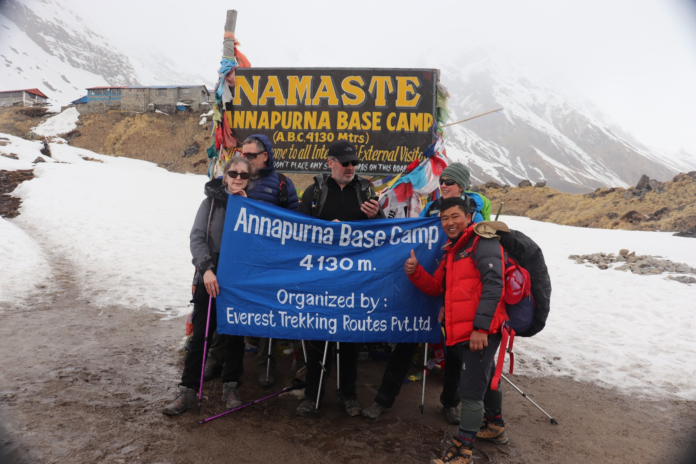
There’s a reason the Annapurna Base Camp Trek shows up on nearly every “best treks in Nepal” list. The trail walks you straight into the Annapurna Sanctuary — a natural bowl ringed by Annapurna I, Machhapuchhre (that unmistakable fishtail peak), Hiunchuli, and Annapurna South. You’re not viewing these mountains from a distance; you’re camped practically underneath them.
What makes ABC special isn’t just the base camp itself. It’s the walk-in. Rhododendron forests, suspension bridges over glacial rivers, Gurung and Magar villages where life hasn’t changed all that much in decades — the whole route builds anticipation before that final sunrise at Machhapuchhre Base Camp, which honestly might be the best fifteen minutes of the entire trip.
Trek highlights:
- Close-range views of the Annapurna range
- Sunrise from Machhapuchhre Base Camp
- Gurung and Magar village culture
- Comfortable, well-established teahouses along the way
- A genuinely good entry point for first-time Himalayan trekkers
Difficulty and duration: Most itineraries run 7 to 12 days, and it’s classed as a moderate trek. You’ll be climbing a lot of stone steps daily, so decent fitness helps, but you don’t need prior high-altitude experience.
Best season: Spring (March–May) and autumn (September–November) give you the clearest skies and the most reliable mountain views.
Langtang Valley Trek: Nepal’s Underrated Escape
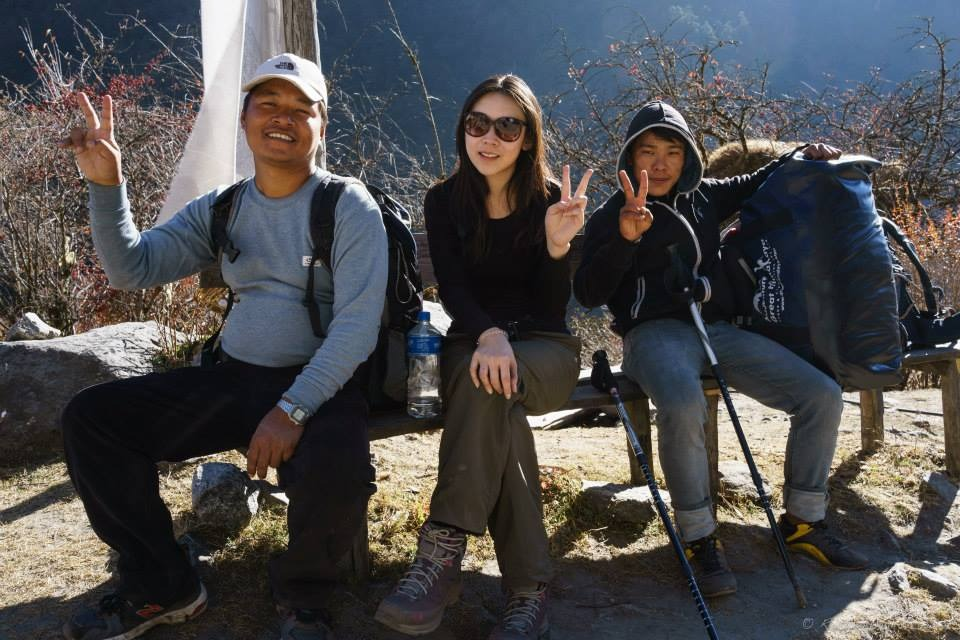
Ask ten trekkers about Langtang and at least half will say the same thing — “I didn’t expect it to be this good.” Sitting just north of Kathmandu, the Langtang Valley Trek somehow flies under the radar despite offering views of Langtang Lirung that rival anything in the Annapurna or Everest regions.
This is Tamang heartland. The villages, the prayer flags strung across every ridge, Kyanjin Gompa perched at the valley’s upper reaches — it all feels less staged than some of the busier trails. And because the trailhead is only about seven to eight hours by road from Kathmandu, you can pull this trek off even if you’re short on vacation days.
Trek highlights:
- Langtang Lirung and surrounding peaks
- Tamang and Sherpa cultural villages
- Kyanjin Gompa monastery
- Noticeably quieter trails than Everest or Annapurna
- Easy access — no flights required
Difficulty and duration: Typically 7 to 10 days, moderate difficulty. You’ll still cross 3,800 meters or higher, so altitude prep isn’t optional, but it’s a gentler introduction than Manaslu or Everest.
Best season: March to May and September to November remain ideal, though a handful of experienced winter trekkers do enjoy the empty trails from December onward.
Manaslu Circuit Trek: Nepal’s Wild Card
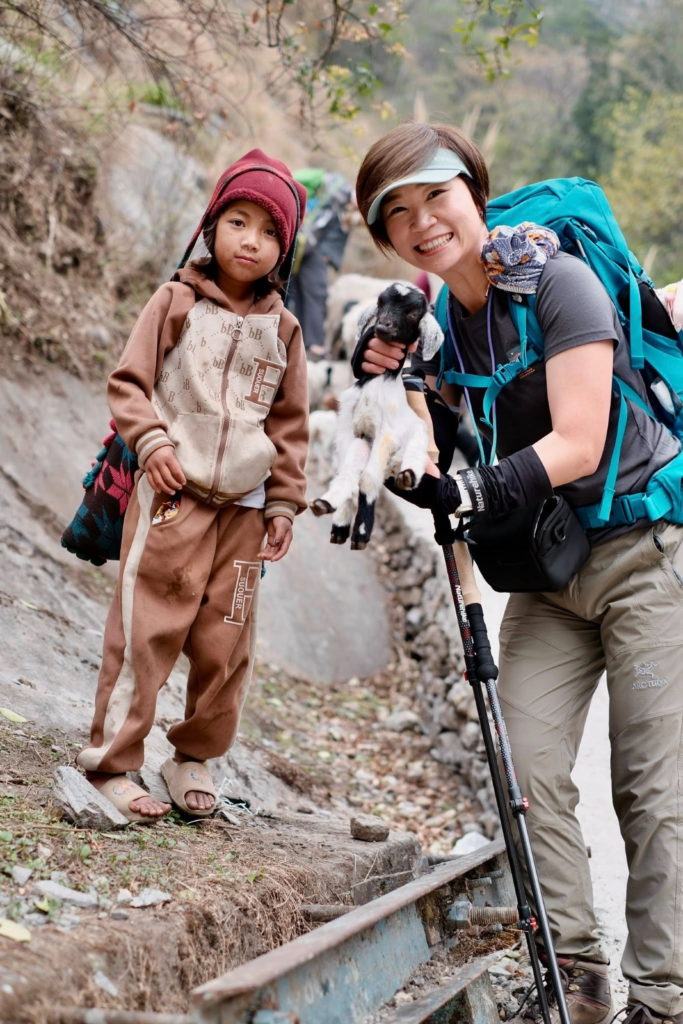
If Annapurna and Everest sometimes feel like they’ve been discovered a little too thoroughly, the Manaslu Circuit Trek is the answer. Circling Mount Manaslu — the world’s eighth-highest peak — this route sits in a restricted area, which keeps numbers down and the whole experience feeling refreshingly untouched.
The lower villages carry a strong Gurung influence, but as you climb higher, the culture shifts noticeably Tibetan — chortens, mani walls, monasteries tucked into impossible corners. Then comes Larkya La Pass at over 5,100 meters, arguably one of the most rewarding (and demanding) crossings in Nepal outside the Everest passes.
Trek highlights:
- Direct views of Manaslu (8,163m)
- Crossing Larkya La Pass
- Remote villages that see a fraction of Annapurna’s foot traffic
- Strong Tibetan Buddhist cultural influence
- A genuine mix of subtropical forest and high alpine terrain
Difficulty and duration: Plan for 12 to 18 days. This is a step up from ABC and Langtang — longer days, less infrastructure, and that pass crossing near the end that separates it from the “moderate” category.
Best season: Autumn is generally considered the sweet spot, with spring a close second for clear mountain views.
Everest Three Passes Trek: The Region’s Toughest Test
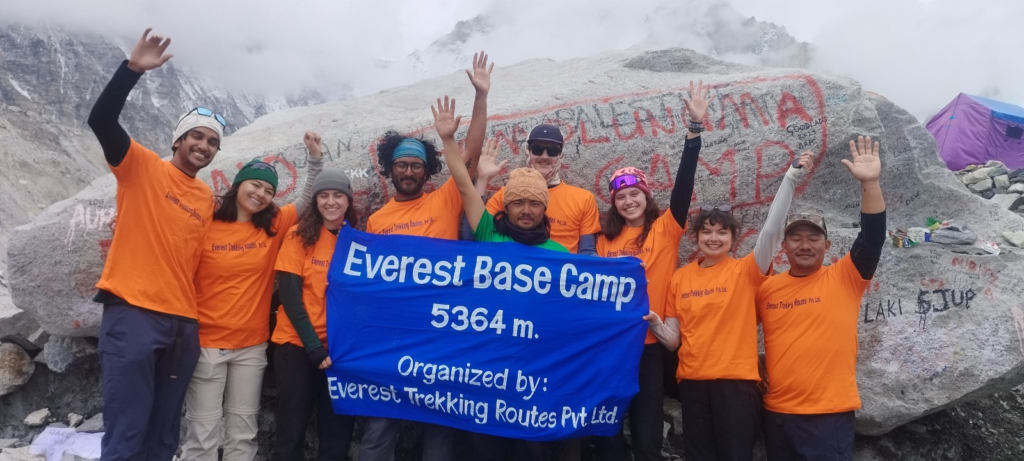
The classic Everest Base Camp Trek gets all the attention, but ask guides in Lukla which route actually challenges people, and most will point to the Everest Three Passes Trek. Instead of walking up and back down the same valley, you’re crossing Kongma La, Cho La, and Renjo La — three high passes that stitch together nearly every highlight the Everest region has to offer.
You still get Everest Base Camp. You still get that Kala Patthar sunrise everyone posts on Instagram. But you also get Gokyo Lakes, Gokyo Ri, and long stretches of trail most EBC trekkers never see. It’s not a trek you casually decide to do on a whim — this one demands proper training, solid acclimatization planning, and a realistic understanding of what three passes above 5,300 meters actually feels like on tired legs.
Trek highlights:
- Everest, Lhotse, Nuptse, and Ama Dablam up close
- Everest Base Camp and Kala Patthar
- The turquoise Gokyo Lakes and Gokyo Ri viewpoint
- Three demanding high-altitude pass crossings
- Deep immersion in Sherpa culture and monasteries like Tengboche
Difficulty and duration: Expect 17 to 22 days. This is a genuinely challenging trek — long walking days, thin air, and terrain that occasionally requires basic scrambling and, depending on conditions, microspikes.
Best season: March–May and October–November. Winter attempts happen, but they’re strictly for well-prepared, cold-weather-savvy trekkers.
So Which One Should You Actually Choose?
Here’s where it gets personal, because the “right” trek really does depend on what you’re after.
Go with Annapurna Base Camp if you want spectacular mountains without extreme difficulty, a trek that suits a wide range of ages and fitness levels, and a classic, well-supported Nepal trekking experience.
Go with Langtang Valley if your time is limited, you want authentic culture without three weeks of commitment, and you’d rather skip the crowded trails near Everest and Annapurna.
Go with Manaslu Circuit if you’ve done a trek or two already and want something remote, less commercialized, and culturally rich, with a serious pass crossing to test yourself against.
Go with Everest Three Passes if you want the full Everest region experience — not just base camp — and you’re fit enough (and patient enough) to handle three high-altitude crossings over several weeks.
For anyone weighing multiple Everest trekking routes side by side, it genuinely helps to talk to an operator who’s run all of them and can tell you honestly whether you’re ready for Three Passes or should start with something gentler.
What Does Trekking in Nepal Actually Cost?
Costs swing quite a bit depending on trek length, permit fees, guide and porter arrangements, and how remote the region is.
As a rough guide: Langtang tends to be the most budget-friendly of the four. Annapurna Base Camp offers solid value given how well-developed the trail infrastructure is. Manaslu runs pricier because of restricted-area permit fees, which are non-negotiable and charged per day. Everest Three Passes usually comes out as the most expensive, simply because of the longer duration, flights to Lukla, and the remoteness of the terrain.
Whatever budget you land on, build in a buffer for permits, food, accommodation, transport, guide and porter fees, and a bit extra for emergencies — altitude sickness evacuations aren’t cheap, and travel insurance that covers high-altitude trekking is genuinely worth every rupee.
Permits You’ll Need
Every one of these treks requires official permits, and skipping this step isn’t an option:
- Annapurna Base Camp — Annapurna Conservation Area Permit (ACAP)
- Langtang Valley — Langtang National Park entry permit
- Manaslu Circuit — Restricted Area Permit plus Manaslu Conservation Area and Annapurna Conservation Area permits
- Everest Three Passes — Sagarmatha National Park permit and the local Khumbu Pasang Lhamu entry permit
Rules and fees do change from time to time, so double-check current requirements before you fly out.
Food and Accommodation on the Trail
All four routes rely on the teahouse system — simple guesthouses run by local families, offering basic rooms (often twin beds, shared bathrooms at higher elevations) and hearty meals to keep you fueled.
Dal bhat remains the trekker’s staple for good reason — unlimited refills and the kind of carb-and-protein combo your legs will thank you for. Beyond that, expect noodles, fried rice, Tibetan bread, garlic soup (locals swear it helps with altitude), and simple pasta dishes. The higher you climb, the more limited and pricier the menu gets, since everything above the roadhead is carried in by porters or mules.
Getting Ready Before You Go
A few things worth doing regardless of which trek you choose: build up your walking fitness in the months beforehand, learn the early symptoms of altitude sickness so you actually recognize them on the trail, invest in proper layered clothing and broken-in boots, and resist the urge to rush your itinerary just to save a day or two. Altitude doesn’t care how fit you are back home — it plays by its own rules.
Final Thoughts
There’s no universal “best” trek here — just four very different doors into the Himalaya. Annapurna Base Camp gives you those iconic, close-up mountain views without punishing you for it. Langtang hands you culture and quiet without eating up your whole vacation. Manaslu rewards patience and a bit of grit with landscapes most trekkers never see. And Everest Three Passes asks the most of you but gives back an experience that’s hard to top.
Pick based on your fitness, your timeline, and honestly, what kind of story you want to tell when you get home. The mountains aren’t going anywhere — you’ve just got to choose the right path up.
Frequently Asked Questions
1. Which is the best trek in Nepal for beginners?
The Annapurna Base Camp Trek and Langtang Valley Trek are the friendliest starting points — both offer incredible scenery without demanding technical experience or extreme altitude tolerance.
2. Is the Manaslu Circuit Trek harder than Annapurna Base Camp?
Yes, noticeably. Longer days, more remote terrain, and the Larkya La Pass crossing put Manaslu a level above ABC in terms of difficulty.
3. Which trek offers the best mountain views in Nepal?
It’s genuinely close, but the Everest Three Passes Trek tends to edge it out thanks to the combination of Everest Base Camp, Kala Patthar, and Gokyo Ri all in one itinerary.
4. What’s the best time of year to trek in Nepal?
March to May and September to November are the go-to windows for stable weather and clear mountain views across all four routes.
5. Can I do these treks without prior trekking experience?
Langtang Valley and Annapurna Base Camp are both manageable for first-timers with a bit of preparation. Manaslu Circuit and Everest Three Passes, though, really do call for better fitness and some trekking experience beforehand.
Contact Details
——————————–
Everest Trekking Routes Pvt. Ltd.
16 Khumbu, Nayabazaar, Kathmandu, Nepal
Mobile : +977-9843467921 (Rabin)
Email: info@everesttrekkingroutes.com
URL:– www.everesttrekkingroutes.com