
A property can look safe while hiding conditions that may cause serious harm. A wet floor, broken stair, poor lighting, or unsecured entrance can create risks for visitors, customers, tenants, and guests. Understanding premises liability information can help people recognize when an injury may be connected to an unsafe condition and what evidence may matter after an accident.
Slip and Fall Accidents
Slip and fall accidents are among the most familiar types of premises liability incidents. A person may fall because of spilled liquid, food, ice, loose rugs, worn flooring, or another slippery surface. Even a small amount of liquid can create a serious hazard when it is left unattended in a busy walkway.
Property owners and businesses generally have a responsibility to take reasonable steps to address dangerous conditions. This can include inspecting areas open to visitors, cleaning spills, repairing damaged surfaces, and warning people about hazards that cannot be fixed right away.
The important facts often include how long the hazard existed, whether someone knew about it, and whether reasonable steps were taken to correct it. Photos of the condition, witness information, incident reports, and medical records can become important when determining what happened.
Trip and Fall Accidents
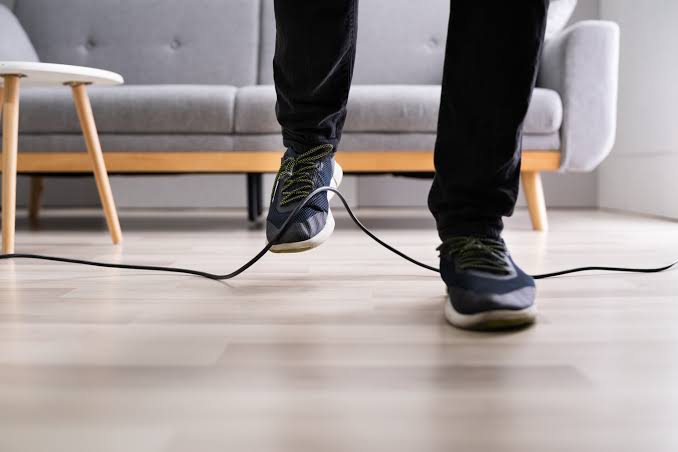
Not every fall happens because of a slippery surface. People can also trip over uneven floors, broken pavement, raised surfaces, loose carpeting, exposed cords, or objects left in walkways.
Changes in floor height can be especially difficult to notice when lighting is poor. A damaged sidewalk or walkway can also create a hazard for people who reasonably expect the surface to be safe.
After a trip and fall, documenting the area can be useful. A photograph may show the condition of the surface before it is repaired or changed. Details such as the location, lighting, weather, and time of the incident can also help create a clearer record.
Stairway and Handrail Accidents
Stairs require proper maintenance because a small defect can lead to a serious fall. Broken steps, loose handrails, missing rails, damaged surfaces, and poor lighting can increase the risk of injury.
A person who loses balance on a staircase may fall several steps before being able to stop. The resulting injuries can include fractures, head injuries, back injuries, and other serious conditions.
Safety standards can vary depending on the type of property and the circumstances involved. When an accident happens, investigators may examine maintenance records, inspection reports, photographs, repair histories, and witness accounts to determine whether a dangerous condition was present.
Falling Objects and Merchandise
Premises liability can also involve objects that fall from shelves, walls, ceilings, balconies, or other elevated areas. In a store, poorly stacked merchandise may fall onto a customer. In another setting, a loose fixture or damaged ceiling material could create a similar danger.
The condition of the property and the way objects were stored or secured may become important evidence. Businesses may also have inspection and maintenance procedures designed to identify unsafe conditions before someone gets hurt.
A falling object can cause injuries ranging from bruises and cuts to broken bones and head trauma. The seriousness of the injury may depend on the object’s weight, height, and location.
Elevator and Escalator Accidents
Elevators and escalators are used by millions of people, but mechanical or maintenance problems can create dangerous situations. Sudden stops, uneven landings, defective doors, missing safeguards, or other malfunctions may cause falls or crush injuries.
These cases can involve more than one party. A property owner, maintenance company, equipment manufacturer, or other business may have responsibilities related to the equipment. Determining who may be responsible requires examining the specific facts and the relationships between the parties.
Maintenance records and inspection documentation can be particularly important because they may show whether a problem was previously reported or whether regular service was performed.
Swimming Pool and Water-Related Accidents
Swimming pools can create serious risks when safety measures are missing or poorly maintained. Examples may include inadequate barriers, defective gates, slippery surfaces, poor lighting, or other dangerous conditions.
Children can face particular risks around pools and other bodies of water. Safety requirements may address barriers, access points, warning signs, and other protective measures. The exact requirements depend on the property and applicable law.
When a water-related accident occurs, evidence about the condition of the area can help establish what happened. Photographs, witness statements, maintenance records, and reports can all provide useful information.
Inadequate Security and Criminal Attacks
Premises liability is not limited to falls and maintenance problems. In some circumstances, an injury caused by another person’s criminal conduct may raise questions about whether reasonable security measures were provided.
Examples can include poorly lit parking areas, broken gates, unsecured entrances, defective locks, or security systems that were not functioning properly. These cases can involve difficult questions about whether the criminal activity was reasonably foreseeable and whether the property owner had reason to address a known risk.
The surrounding circumstances matter. Prior incidents, complaints, security records, lighting conditions, and the physical condition of entrances or access points may all become relevant.
Dog Bites and Animal Attacks
Animal attacks can also occur on private or commercial property. A dog may bite a visitor, customer, delivery worker, or another person who is lawfully present.
The legal rules for animal-related injuries vary by jurisdiction. Factors may include whether the owner knew about the animal’s behavior, whether reasonable precautions were taken, and the circumstances under which the person encountered the animal.
After an attack, medical treatment should be documented. Information about the animal, its owner, witnesses, photographs, and any available reports may also be important.
Construction and Property Maintenance Hazards
Construction areas can contain open holes, exposed surfaces, debris, unstable structures, missing barriers, and other hazards. Workers and visitors may be injured when these risks are not properly controlled.
The Occupational Safety and Health Administration identifies unprotected sides, floor openings, improper scaffolding, and ladder misuse among significant fall hazards in construction settings. OSHA construction fall safety information
Property maintenance can create similar concerns outside construction sites. Broken sidewalks, damaged ceilings, loose fixtures, and deteriorating surfaces may become dangerous when repairs are delayed.
What to Do After a Premises Accident
The steps taken after an accident can help preserve important evidence. If medical attention is needed, seek treatment promptly and keep records of appointments, bills, diagnoses, and recommended care.
When possible, photograph the condition that caused the accident. Take pictures from several angles and include surrounding areas that show lighting, warning signs, barriers, or other relevant details. Get contact information from witnesses and report the incident to the appropriate property manager, business representative, or responsible person.
Do not assume that an accident is automatically someone else’s legal responsibility. Premises liability claims depend on specific facts, including the condition that caused the injury, who controlled the property, what the responsible party knew or should have known, and whether the condition caused the injury.
The U.S. Consumer Product Safety Commission has also highlighted floor conditions, maintenance, walkway obstacles, and visibility as factors that can affect slip and fall risks. Consumer Product Safety Commission floor safety information
Understanding the Bigger Picture
Premises liability can involve many different types of accidents, from falls and falling objects to security incidents, animal attacks, and dangerous property conditions. What connects these cases is the condition of the property and the responsibilities of the people or businesses controlling it.
Good documentation can make it easier to understand what happened. Photos, reports, witness information, medical records, and maintenance documents may help establish the facts. Because premises liability laws differ, anyone seriously injured on another person’s property should consider obtaining legal advice about the specific circumstances and deadlines that may apply to a potential claim.