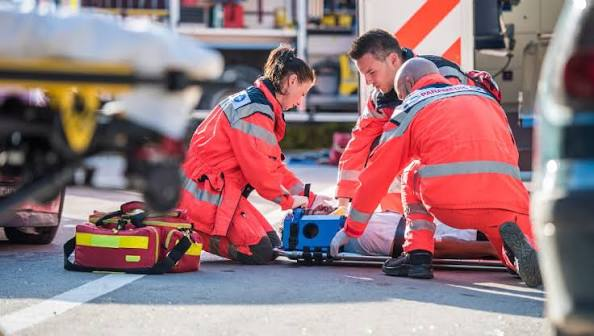

Every shift, firefighters, paramedics, law enforcement officers, and emergency medical technicians walk into situations most people spend their lives hoping to avoid. The physical toll is obvious. The psychological toll is less visible but no less real. What many people outside these professions do not fully appreciate is how deeply the chronic stress of emergency work reshapes the body and mind over years, sometimes in ways that do not surface until long after a career ends.
This article breaks down the most significant health challenges facing first responders, explains the underlying mechanisms that make their risks distinct from those of the general population, and points toward the kinds of support structures that have shown real promise. Whether you are a first responder yourself, a family member, or a policy advocate, understanding the full picture matters.
Why First Responder Health Is a Category of Its Own
It would be a mistake to treat first responder health as simply an extension of general occupational health. The combination of factors these workers face is genuinely unusual. Physical exertion under extreme stress, irregular sleep cycles, repeated exposure to traumatic events, and prolonged contact with hazardous materials or environments do not occur in isolation. They stack. And when they stack over a career spanning twenty or thirty years, the cumulative effect can be severe.
Research consistently shows that first responders have elevated rates of cardiovascular disease, musculoskeletal injuries, certain cancers, post-traumatic stress disorder, depression, substance use disorders, and suicide. These are not minor statistical blips. They represent a meaningful divergence from baseline population health that demands targeted attention rather than generic wellness programs.
The Physical Health Burden
Cardiovascular Disease
Heart disease is the leading cause of on-duty death for firefighters in the United States. According to the Firefighter Cancer Support Network and data compiled by the National Fire Protection Association, cardiac events account for nearly 45 percent of all on-duty firefighter fatalities in a given year. The physiological explanation involves repeated acute stress responses. Each emergency activation triggers a surge of adrenaline and cortisol, raises blood pressure, accelerates heart rate, and promotes inflammatory pathways. Over time, that cycle wears on arterial walls and cardiac muscle.
Sleep disruption compounds the problem. Shift work, particularly rotating or irregular shifts, disrupts circadian rhythms and has been independently linked to increased cardiovascular risk, elevated blood sugar, and weight gain. Many first responders spend years cycling through sleep schedules the human body was simply not built to sustain.
Cancer Risk
Cancer has become one of the most discussed health threats in the firefighting community specifically. A landmark study published in the journal Occupational and Environmental Medicine found that firefighters face a 9 percent higher risk of being diagnosed with cancer and a 14 percent higher risk of dying from cancer compared to the general population. The primary culprits are carcinogenic compounds released during structure fires, including benzene, formaldehyde, and polycyclic aromatic hydrocarbons, all of which can penetrate gear and be absorbed through the skin or inhaled.
Law enforcement officers and paramedics face different but overlapping chemical exposures, including fentanyl and other synthetic opioids now encountered regularly at scenes, diesel exhaust from vehicle idle time, and bloodborne pathogen exposure.
Mental Health: The Invisible Injury
The mental health consequences of emergency work are substantial and still significantly underreported. Post-traumatic stress disorder affects an estimated 15 to 30 percent of first responders, compared to roughly 7 to 8 percent in the general U.S. adult population, according to figures cited by the Substance Abuse and Mental Health Services Administration (SAMHSA). Depression and generalized anxiety disorders also appear at elevated rates.
What makes psychological injury particularly difficult in this population is the cultural environment. Asking for help has historically been stigmatized in professions built around toughness and composure. That stigma has softened in recent years, but it has not disappeared. Many first responders reach crisis points before they ever speak to a mental health professional, partly because they do not recognize their symptoms as treatable conditions and partly because they fear professional consequences.
Suicide is the grim endpoint when those barriers are not removed. A report from the Ruderman Family Foundation found that in 2017 and 2018, more firefighters and police officers died by suicide than in the line of duty. That finding drew widespread attention and helped shift the conversation around mental health resources for first responders at the federal, state, and agency levels.
Common Health Risks at a Glance
| Health Risk | Primary Cause | Population Most Affected |
| Cardiovascular disease | Chronic stress, sleep disruption, physical exertion | Firefighters, paramedics, law enforcement |
| Cancer | Chemical exposure, carcinogen absorption through skin/inhalation | Firefighters, hazmat responders |
| PTSD and depression | Repeated trauma exposure, high-stress incidents | All first responder categories |
| Musculoskeletal injuries | Physical demands, lifting, falls, vehicle accidents | Paramedics, EMTs, firefighters |
| Substance use disorders | Coping response to stress, pain, sleep problems | All first responder categories |
| Respiratory disease | Smoke, dust, chemical inhalation | Firefighters, search and rescue personnel |
Systemic Barriers to Care
Even when first responders recognize that they need help, accessing quality care is not always straightforward. Several structural barriers get in the way.
- Lack of providers trained in first responder-specific trauma and occupational health needs.
- Inconsistent coverage of mental health services under workers’ compensation and insurance plans.
- Geographic gaps, particularly for rural law enforcement officers and volunteer firefighters far from urban health centers.
- Fear of fitness-for-duty evaluations that could affect employment status if mental health conditions are disclosed.
- Confidentiality concerns when seeing providers connected to the employing agency.
- Cultural norms within departments that discourage open discussion of psychological strain.
These barriers do not exist because agencies are indifferent. Many departments genuinely want to support their personnel. The problem is structural. Building effective support systems requires intentional design, dedicated funding, and access to specialists who understand the occupational context of these workers’ lives.
What Effective Support Looks Like
The most effective health programs for first responders share a few key characteristics. They are confidential, meaning that participation does not feed back into employment records. They are accessible, which often means telehealth options and flexible scheduling that accommodates shift work. They are staffed by clinicians who have specific experience with trauma, occupational health, or first responder culture. And they address the full range of needs, from physical screenings to peer support to clinical mental health treatment.
Peer support programs have shown particular promise. When first responders hear from colleagues who have dealt with similar experiences and sought help, the stigma barrier lowers. Peer supporters are not therapists, but they serve as trusted bridges to professional care. Several states have formalized peer support training and credentialing as part of their broader first responder wellness initiatives.
California has been among the more active states in developing dedicated health infrastructure for this population. Organizations operating in the state have worked to build integrated care models that address both physical and behavioral health under one umbrella. One example of a resource specifically designed for this community is https://frca.health/, which focuses on health services tailored to California first responders and their families, reflecting a recognition that standard healthcare systems often fall short for this group.
Prevention Is the Stronger Play
Treating health problems after they emerge is necessary, but prevention and early intervention are far more cost-effective and far less disruptive to individuals and agencies. Regular physical screenings that go beyond basic fitness tests, routine mental health check-ins that carry no stigma or career risk, and cancer surveillance programs for those with high chemical exposure histories all represent meaningful preventive investments.
Nutrition and sleep are two modifiable factors that often get overlooked in favor of more dramatic interventions. Teaching first responders about circadian-informed eating patterns, the importance of sleep hygiene even within irregular schedules, and strategies for managing stress between calls can reduce baseline cardiovascular risk and improve psychological resilience over time. These are not glamorous solutions, but the evidence behind them is solid.
Training academies and department leadership play an important role here. When health education is embedded into professional development from day one rather than offered as an afterthought years into a career, the habits that protect long-term health have a better chance of taking root. That shift in approach requires buy-in from the top of an organization, not just from individual wellness coordinators.
The Broader Takeaway
First responders carry a disproportionate health burden as a direct consequence of the work they do on behalf of their communities. That burden is not inevitable. It is the product of specific occupational exposures, structural gaps in care, and cultural patterns that can all be addressed with the right combination of resources, policy, and organizational will. Understanding the mechanisms behind the risks is the starting point. Acting on that understanding, whether at the individual, agency, or legislative level, is what actually changes outcomes for the people doing some of the hardest work in public life.