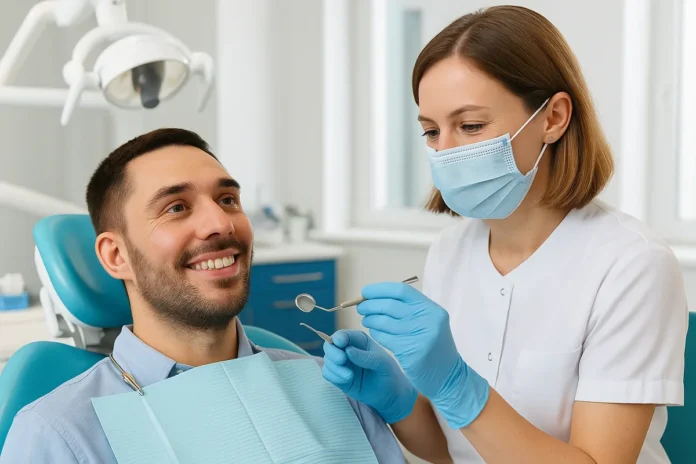

You might be feeling a twinge when you drink something cold, catching a glimpse of a dark spot in the mirror, or realizing you have not scheduled a cleaning in a few years. You tell yourself you will get to it when life slows down, but it never really does. On top of that, there may be anxiety about the chair, the sound of the instruments, or finding the right west Houston dentist, or the cost of something unexpected.end
Because of all this, it is easy to treat dental visits as one-off emergencies. You go when something hurts, then you disappear again. The problem is that this “stop and start” pattern often leads to bigger problems, more stress, and higher bills. A steady relationship with a trusted general dentist tends to flip that script. You move from crisis care to calm, predictable care, and your mouth often feels better for it.
In simple terms, when you build an ongoing partnership with your dentist, you get earlier detection, more tailored advice, and support that takes your fears and your budget into account. You are not just a set of teeth in a chair. You are a person whose history, habits, and goals your dentist actually remembers.
Why do people avoid the dentist even when they know they “should” go?
Start with the emotional side. Many adults carry quiet dread about dental visits. Maybe you had a painful experience as a child. Maybe you feel ashamed that you have not been in a while and worry you will be judged. Dental anxiety is common enough that organizations like the American Dental Association share specific guidance on understanding and easing dental fear. So if you recognize yourself in this, you are far from alone.
Then there is the financial side. You might think, “If I do not go, at least I am not spending money.” The trouble is that small, affordable problems rarely stay small when they are ignored. A tiny cavity that could have been handled quickly can turn into a root canal or an extraction. Gum irritation can become advanced gum disease that threatens several teeth. The bill grows along with the damage.
There is also simple overload. Work, children, aging parents, life. When you are stretched thin, adding one more appointment feels impossible. So you put it off. The longer you wait, the heavier it feels to start again. You might even think, “It has been so long, it is probably really bad,” which only raises the anxiety.
So where does that leave you? Often stuck between fear of what a dentist might find and fear of what might happen if you keep waiting. That tension is exactly where a strong relationship with a general dentist can make a difference.
How does a trusted general dentist change your day-to-day reality?
Think of your general dentist as your “primary care” for oral health. When you have an established, ongoing relationship, several things start to shift.
First, problems tend to be caught earlier. A dentist who sees you regularly can notice small changes in your gums, enamel, or bite before you ever feel pain. That often means simpler treatments, fewer visits, and lower costs. It also lowers the chance of sudden emergencies that disrupt your work or your family plans.
Second, your care becomes personal. Over time, your dentist learns how your body responds to anesthesia, which areas are sensitive, and how anxious you feel in the chair. They can adjust the pace, explain each step, or use specific strategies to help you stay calm. For many people, this steady, predictable approach slowly replaces fear with trust.
Third, a long term relationship helps you make better decisions. Instead of feeling pressured in the moment, you can have honest conversations about what is urgent, what can wait, and what fits your budget. When you know your dentist is thinking about your long term health, not just today’s procedure, it is easier to ask questions and say what you really want.
This kind of relationship is not just for adults. Pediatric experts talk about the value of a “dental home” for children, meaning a regular dentist who knows the child and family. The American Academy of Pediatric Dentistry explains how a dental home supports continuous, family centered care. The same idea applies to you as an adult. Having a “home base” for your mouth matters at every age.
Recent research also shows that regular dental visits are being woven more into overall healthcare for children. For example, national data highlight how increased dental visits can support pediatric providers in spotting problems earlier. That connection between oral health and general health exists for adults too. Your mouth is not separate from the rest of you.
All of this is why an ongoing relationship with your general dental provider is so powerful. It is not about perfection. It is about having someone in your corner who knows your history and helps you take the next right step, even if you are starting after a long gap.
What do you really gain from a long term general dentist relationship?
It can help to see the tradeoffs clearly. Imagine two paths. On one path, you only see a dentist when you are in pain. On the other, you build a steady, low stress partnership over time.
| Approach | “Emergency Only” Visits | Ongoing Relationship With a General Dentist |
| How often you go | Only when something hurts or breaks | Regular checkups, usually every 6 to 12 months |
| Typical costs over time | Less frequent, but larger and less predictable bills | Smaller, more predictable costs, fewer major surprises |
| Emotional impact | High stress, fear of bad news, rushed decisions | Lower stress, more trust, time to ask questions calmly |
| Type of treatment | More extractions, root canals, urgent procedures | More prevention, minor fillings, early gum care |
| Long term outcomes | Higher risk of tooth loss and ongoing pain | Better chance of keeping natural teeth and comfort |
When you look at it this way, you can see why an ongoing general dental care relationship often feels calmer and more manageable. It trades last minute emergencies for steady, planned care. It turns “I hope nothing is wrong” into “I know what is happening and what comes next.”
What can you do right now to build that relationship, even if you feel behind?
You may be thinking, “This all sounds reasonable, but I am nervous, and I do not even know where to begin.” That is understandable. You do not have to fix everything at once. A few focused steps can start to change your experience with dental care.
1. Be honest about your fears and your history
When you schedule or attend your next visit, say out loud what worries you. For example, “It has been a long time and I am embarrassed,” or “I had a painful experience before, so I am anxious.” A good general dentist wants to know this, because it shapes how they care for you. You might be surprised by how much relief you feel when you stop pretending you are fine and let them know what you need to feel safe.
2. Start with a checkup and a plan, not a long list of treatments
If you have avoided care, you might fear a huge treatment plan. Ask your dentist to start with a thorough exam, clear X rays, and then a simple outline of priorities. Which issues are urgent. Which are important but can wait. Which are optional or cosmetic. This kind of step by step plan turns a mountain into a series of smaller hills. It can also help you plan your budget and your time without feeling overwhelmed.
3. Commit to your next visit before you leave the office
The easiest time to set your next appointment is while you are still there. Even if it is just a cleaning in six months, putting it on the calendar keeps you from drifting back into “I will call later.” Over time, those routine visits become part of your normal rhythm, like yearly physicals or eye exams. That is how a one time visit turns into a real, lasting relationship with your general dentist.
Moving forward with more confidence and less fear
You do not have to love going to the dentist. You just need a path that feels safe, respectful, and doable. Building a relationship with a general dentist you trust can give you that. It can lower your anxiety, protect your budget, and help you keep your natural teeth longer.
Even if it has been years, you can start again. One honest conversation. One checkup. One scheduled follow up. Over time, those small steps add up to something steady and reassuring. Your future self will be grateful that you chose a calmer, more connected way to care for your mouth and your health.