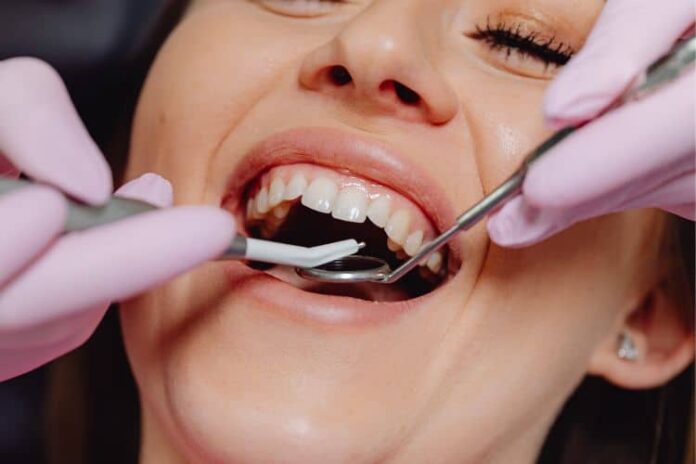

Your mouth tells the truth about your health. General dentistry does more than fix teeth. It protects your whole body. When you keep regular visits with a trusted dentist in Carmel, you lower silent risks that build over time. Gum infection links to heart disease and blood sugar problems. Worn teeth can signal stress and poor sleep. Dry mouth can point to medicine side effects or immune problems. Routine exams catch these early. Cleanings remove stubborn plaque that daily brushing misses. Simple checks for oral cancer can save your life. Clear advice on brushing, flossing, and food helps you feel in control. You deserve steady support, not quick fixes. The five steps in this guide show how basic dental care supports your body, mind, and daily energy. Each one gives you a chance to stay ahead of pain, fear, and surprise bills.
1. You lower risk for heart disease and diabetes
Gum disease is an infection. Your gums swell and bleed. Bacteria slip into your blood. That strain reaches your heart and blood vessels. It can also affect how your body uses sugar.
Routine exams and cleanings cut down this strain. Your dentist checks for red, tender, or receding gums. You get plaque and tartar removed before they harden and spread.
You support your heart and blood sugar when you
- Brush twice a day with fluoride toothpaste
- Floss once a day to clean between teeth
- See your dentist at least twice a year
The American Dental Association explains how gum disease connects with other health problems at https://www.mouthhealthy.org/all-topics-a-z/gum-disease.
2. You protect your brain, memory, and mood
Chronic mouth infection wears you down. Pain or loose teeth can make eating hard. You may avoid healthy foods. That hurts your energy and mood.
Gum disease and tooth loss also link with memory loss. Scientists continue to study this. Early care still matters. When you keep your teeth and gums stable, you support your brain.
General dentistry helps you
- Control long lasting mouth pain
- Keep strong teeth for chewing
- Stay confident in social and work settings
You feel more willing to speak, smile, and eat with others. That reduces isolation. It also supports mental health.
3. You catch a serious disease early
Your dentist looks at more than your teeth. Your lips, cheeks, tongue, and throat also tell a story. Small white or red spots, sores that do not heal, or lumps can signal cancer.
Every routine exam is a screening. It takes only a few minutes. Yet it can find problems before you feel pain. Early oral cancer has a much higher chance of control. The National Cancer Institute shares clear facts about oral cancers.
During a checkup, your dentist can also spot signs of
- Eating disorders
- Sleep problems like grinding
- Immune system problems
Early notice means you can see your doctor sooner. You gain time and choice.
4. You improve sleep, energy, and daily comfort
Your mouth affects every bite, word, and breath. Small problems can steal sleep and focus. A cracked tooth, sore jaw, or dry mouth may seem minor. Over time they drain your strength.
General dentistry helps you find and fix three common issues.
- Tooth grinding. Worn teeth or jaw pain can point to grinding in your sleep. A custom night guard protects teeth and eases muscles.
- Dry mouth. Some medicines reduce saliva. Your dentist can suggest rinses, gels, or changes in routine to protect teeth.
- Bite problems. High fillings or crooked teeth can strain joints and muscles. Careful adjustment spreads your bite forces.
When your mouth feels stable, you sleep better, chew with less strain, and speak without worry. That leads to steadier energy during the day.
5. You save money and protect your family
Regular checkups cost less than emergency care. Small cavities need small fillings. Ignoring decay can lead to root canals or extractions. Those cost more money and time.
Children learn by watching you. When you keep your visits, they see mouth care as normal. That habit can protect them for life.
Use this simple comparison to see how routine care stacks up against crisis care.
| Type of care | Typical timing | Common examples | Likely impact on health |
| Preventive care | Every 6 to 12 months | Exam, cleaning, X-rays when needed, fluoride | Catches disease early. Reduces pain and infection. Supports heart and blood sugar health. |
| Early treatment | Soon after a small problem starts | Small fillings, simple gum care, repair of chipped tooth | Stops damage from spreading. Keeps teeth strong. Controls cost and stress. |
| Emergency care | After severe pain or breakage | Root canal, extraction, deep infection care | Higher cost. More time off work or school. Greater risk to overall health. |
How to make the most of general dentistry
You gain the most when you treat dental visits as part of your health routine. You can
- Schedule checkups every six months or as your dentist advises
- Tell your dentist about all medicines and health conditions
- Ask clear questions about pain, bleeding, or changes in your mouth
- Help children brush and floss until they can do it well on their own
General dentistry gives you more than a clean smile. It supports your heart, brain, and daily comfort. It also gives your family a model of steady care. When you protect your mouth, you protect your whole self.