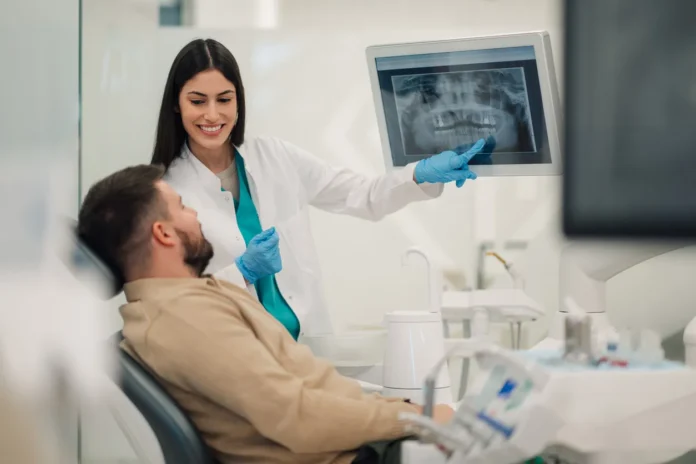

Preventive care protects your mouth and your family. You do not wait for pain. You stop problems before they grow. Routine checkups, cleanings, and simple daily habits lower your risk for cavities, gum infection, and tooth loss. They also cut down on emergency visits that drain your time and money. A Marietta dentist can spot early warning signs that you cannot see at home. Small changes in your gums, enamel, or bite can point to larger health issues. You gain clear answers and a plan that fits your life. Regular visits also help your children build trust and courage in the chair. They learn that the office is a safe place, not a place of fear. This blog explains how preventive care works, what to expect at each visit, and how you can protect every smile in your home.
Why preventive care matters for every age
Teeth and gums affect how you eat, speak, and rest. When they hurt, your whole body feels it. Preventive care guards against daily life. It gives you control.
You use preventive care to:
- Catch tooth decay while it is small
- Stop gum disease from stealing support around teeth
- Lower risk for infections that spread to other parts of the body
The Centers for Disease Control and Prevention explains that untreated cavities are common in both children and adults. Simple steps at home and steady dental visits change those numbers.
Key parts of preventive family dentistry
Preventive care is not one single treatment. It is a set of habits and visits that work together.
- Routine exams. The dentist checks each tooth, your bite, and your gums. You talk about pain, grinding, and dry mouth.
- Professional cleanings. The hygienist removes plaque and tartar that a toothbrush leaves behind.
- X rays when needed. These pictures show decay between teeth and bone loss under the gums.
- Fluoride support. Fluoride hardens enamel and helps repair early damage.
- Sealants for children. A thin shield covers the chewing surfaces to keep food out of deep grooves.
The National Institute of Dental and Craniofacial Research offers clear facts about these steps here: NIDCR on preventing tooth decay.
Home habits that support your dental visits
Your daily routine carries most of the load. The office visit adds support. Both matter.
Focus on three simple habits:
- Brush two times each day with fluoride toothpaste
- Clean between teeth one time each day with floss or another tool
- Limit sugary drinks and snacks between meals
You can also drink tap water that has fluoride when it is available. You can pick a mouthguard if you grind your teeth at night or play contact sports. Each small habit lowers risk and makes future treatment easier if you need it.
How preventive care helps children and teens
Childhood is the best time to build strong patterns. Your child learns from what you do and what you accept. You shape how they feel about the dental chair.
Preventive visits help your child by:
- Finding early decay before it causes pain
- Guiding jaw and tooth growth for a stable bite
- Teaching brushing and flossing in simple steps
Many children fear the unknown. Regular visits turn the office into a known place. Your child meets the same staff. Your child hears the same calm steps. That steady rhythm gives comfort and lowers fear.
Benefits of preventive care compared to emergency care
When you skip routine visits, you may still end up in the office. You just come in a rush. You may face pain, infection, and more complex work. Preventive care changes that story.
| Type of care | When it happens | Typical cost and time | Common results |
| Preventive visit | Every 6 to 12 months | Lower cost. Short visit | Clean teeth. Early problem detection. Simple advice |
| Emergency visit | Only when pain or swelling starts | Higher cost. Longer visit | Root canals, extractions, stronger medicines, missed work or school |
Preventive care protects your budget. It protects your time. It also preserves more of your natural tooth structure. Once a tooth has a large cavity or crack, that part does not grow back.
What to expect at a family preventive visit
Knowing what will happen lowers stress for you and your children. A typical visit follows a clear path.
You can expect:
- A review of your health history and medicines
- Questions about pain, grinding, and sleep
- Cleaning that removes plaque and tartar
- Polishing that smooths the tooth surface
- An exam of teeth, gums, and soft tissues
- X rays when they are due
- Fluoride or sealants when needed
- Time to ask questions about home care or treatment choices
This visit is a two-way talk. You share your worries. The dentist shares clear steps. Together, you shape a plan that fits your family.
How to build a long-term preventive plan
Preventive care works best when it is steady. One visit helps. A pattern of visits protects.
You can build that pattern by:
- Booking the next checkup before you leave the office
- Using calendar reminders and phone alerts
- Keeping a small dental kit in each bathroom
You can also speak with the office about the right visit schedule for each person in your home. Some people need cleanings more often. Others need extra checks for gum disease or dry mouth.
Taking the next step for your family
Preventive care is quiet work. You may not see instant change. Yet over the years, it guards your comfort, your looks, and your wallet. It keeps small problems small. It keeps many problems from starting at all.
You do not need a perfect past to start. You only need the next visit and the next brush. With steady care and honest talks with your dentist, you protect each smile in your home and gain more ease in daily life.