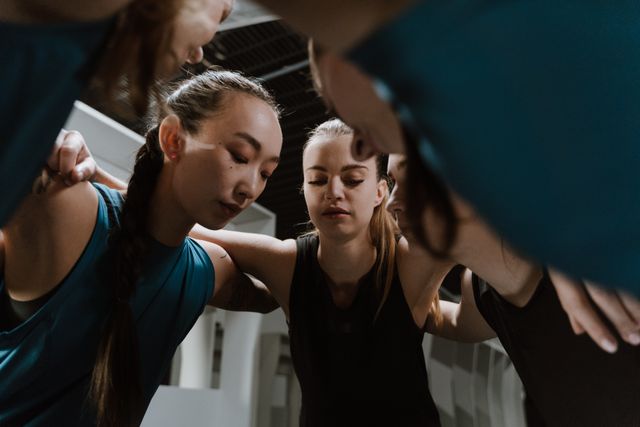

Interactive group activities can give Nashville teams a welcome change of pace. Instead of asking coworkers to connect during another meeting, a shared experience creates room for conversation, decisions, laughter, and practical collaboration. The best shared team experiences are enjoyable in the moment while also giving people useful insights into how they communicate and work together.
Whether you are organizing a small department outing, a conference gathering, or a larger company event, the city offers plenty of ways to make the day feel distinctive. From indoor puzzles to neighborhood explorations, thoughtful team building activities in Nashville can help people connect without forcing the interaction.
Why interactive activities strengthen Nashville teams
Interactive activities give coworkers a reason to participate rather than simply listen. They also reveal everyday team habits in a low-pressure setting, such as who naturally organizes information, who asks clarifying questions, and who helps quieter participants contribute. A well-designed event does not need to imitate the workplace to create useful learning.
How participation improves communication and trust
Participation creates more opportunities for people to speak, listen, and respond in real time. A teammate who rarely talks in a meeting may offer an important observation during a puzzle or planning exercise, while a manager may discover that giving the group more space leads to better ideas. These small moments can make future workplace conversations feel more familiar and open.
Trust grows when people see one another handle uncertainty with patience. Activities that reward clear explanations and attentive listening help teams practice those behaviors without turning the event into a formal training session.
Why shared challenges create stronger team connections
A shared challenge gives a group a common story. Solving a clue, completing a route, or creating something together creates natural conversation that is not limited to job titles and project updates. People often remember the process—the wrong turn, the clever suggestion, or the last-minute solution—as much as the result.
The challenge should be difficult enough to require cooperation but not so difficult that a few confident participants take over. When everyone has a meaningful role, the activity becomes a shared accomplishment rather than a contest dominated by the loudest voices.
The role of energy, novelty, and friendly competition
Novelty changes the rhythm of a work relationship. A little movement, a new setting, or a playful objective can help people approach one another with less formality. Friendly competition can add energy, too, provided the rules are clear and winning is not treated as a measure of individual worth.
The tone matters more than the scoreboard. Teams can compete against a time limit, compare creative solutions, or simply aim to complete a task together. The strongest formats leave room for humor while keeping the experience comfortable for people with different personalities.
When interactive activities work better than traditional meetings
An activity may work better than a meeting when the goal is connection, relationship building, or practicing collaboration. A meeting is useful for sharing decisions and information; an interactive event is better suited to creating an experience people can discuss afterward. The two formats can complement one another when a short briefing or debrief gives the activity a clear purpose.
For example, a team working through a period of change might benefit from an event centered on listening and shared problem-solving. The activity should support that goal rather than become a disconnected afternoon away from work.
Choosing the right team building activities in Nashville
There is no single best option for every group. The right choice depends on what the team needs, how people prefer to participate, and what the day can realistically accommodate. Begin with the desired outcome, then work backward to the format, location, timing, and level of facilitation.
Matching the activity to your team’s goals
Start by naming one or two goals in plain language. You may want new colleagues to get acquainted, a distributed group to build rapport, or an established team to practice communication under pressure. A creative workshop may suit a group seeking fresh thinking, while a clue-based challenge may be a better fit for a team that needs to coordinate decisions.
Avoid trying to address every workplace issue in one event. A focused goal makes it easier to choose an activity and explain why it was selected.
Considering group size, energy levels, and work styles
Group size affects both logistics and the quality of conversation. A large gathering may need smaller teams, rotating stations, or multiple facilitators, while a small group can often share one continuous activity. Energy levels matter as well: some teams enjoy movement and time pressure, while others prefer a quieter format with more room to think.
Ask about work styles without turning the event into a personality test. A balanced experience can include active and reflective moments, structured instructions, and optional ways to contribute.
Balancing structure with opportunities for creativity
Clear instructions help people settle into an unfamiliar activity. At the same time, excessive structure can make the event feel like another assignment. Look for a format with a defined objective, reasonable time boundaries, and enough flexibility for teams to choose their own approach.
A useful planning check is to ask whether participants can make decisions, exchange ideas, and produce something that reflects their group. If every step is predetermined, the activity may provide entertainment without much collaboration.
Selecting activities that fit your company culture
An event should feel like a natural extension of the organization, not a performance employees are expected to tolerate. Consider whether your culture is more playful, reflective, competitive, artistic, or community-minded. The event can still stretch people a little, but it should not conflict with the values the company wants to reinforce.
Also consider how participation will be described. Inviting people to “try a shared challenge together” often feels more welcoming than presenting the day as a test of athletic ability or extroversion.
Indoor activities for connection, collaboration, and problem-solving
Indoor events offer dependable surroundings and more control over noise, temperature, accessibility, and timing. They are especially useful when the forecast is uncertain or when the group includes people who would rather not spend several hours outside. Nashville has many kinds of indoor spaces, so the format can range from focused and analytical to relaxed and creative.
Escape rooms and clue-based team challenges
Escape rooms and similar clue-based activities ask participants to notice details, share information, and make decisions with limited time. They can be engaging for teams that enjoy puzzles, but the design should allow multiple people to contribute instead of rewarding only fast pattern recognition.
Before booking, ask about team sizes, accessibility, difficulty, and whether groups can receive hints. A short orientation can also make the experience more comfortable for participants who have never tried this type of activity.
Collaborative cooking and food-focused experiences
Cooking activities create an easy social rhythm: listen to instructions, divide tasks, prepare ingredients, and share the result. They can work well for groups that prefer conversation and cooperation over competition. Food also gives people something to discuss before and after the activity.
Planning should include ingredient transparency, allergy accommodations, nonalcoholic options, and alternatives for people who do not want to cook. The emphasis should remain on participation and connection, not culinary performance.
Creative workshops that encourage self-expression
A creative workshop can make room for experimentation without requiring anyone to be an artist. Groups might work with music, visual materials, writing, or another shared medium. The best sessions offer a clear prompt while allowing each team or individual to interpret it differently.
Creative work can reveal unexpected strengths. Someone who is reserved during strategic discussions may contribute a strong visual idea, while another teammate may help turn several loose concepts into a finished piece.
Strategy games and facilitated communication exercises
Strategy games can help teams explore planning, resource sharing, and decision-making. Facilitated communication exercises can go a step further by inviting participants to discuss what happened and how the group responded. This combination is useful when an event has a specific development goal.
A simple planning table can help organizers compare formats before making a decision. The details will vary by provider and venue, but the basic tradeoffs are often similar.
| Format | Best suited to | Planning question |
| Clue-based challenge | Teams that enjoy puzzles and time limits | Can everyone contribute meaningfully? |
| Collaborative cooking | Social groups that enjoy shared tasks | Are dietary needs fully supported? |
| Creative workshop | Teams seeking self-expression and fresh ideas | Is there enough freedom in the prompt? |
| Strategy exercise | Groups working on planning and communication | Is a debrief included or available? |
Use the table as a starting point rather than a scorecard. A format that looks ideal on paper may not suit the group’s schedule, comfort levels, or current relationships, so confirm the practical details before committing.
Outdoor group activities around Nashville
Outdoor group activities add movement and a sense of place. They can turn Nashville’s streets, parks, and public spaces into part of the experience while giving participants fresh conversation prompts. Outdoor planning does require more attention to weather, transportation, surfaces, shade, and rest opportunities.
Scavenger hunts through Nashville neighborhoods
A scavenger hunt can combine observation, navigation, photography, and local discovery. Teams may follow clues, solve location-based prompts, or complete creative tasks as they move through a neighborhood. This format encourages people to make decisions together while noticing details they might otherwise pass by.
Keep the route manageable and provide clear boundaries. Instructions should explain where teams can go, how they should stay together, and what to do if someone needs a break or the group becomes separated.
Team challenges in parks and open-air venues
Parks and open-air venues can support relay-style tasks, problem-solving stations, low-impact games, and informal conversation. They offer flexibility for groups that want to spend part of the day moving and part of it relaxing. A variety of stations can help participants choose how actively they want to engage.
The setting should be checked in advance for restrooms, shade, seating, parking, and terrain. These details have a direct effect on whether the activity feels inviting or exhausting.
Adventure activities for active and competitive groups
More active groups may enjoy timed challenges, team races, or outdoor problem-solving courses. These formats can create strong energy, but they should not assume that everyone has the same fitness level or interest in physical competition. Offer meaningful roles for strategists, navigators, encouragers, photographers, and observers.
Competition works best when it adds momentum without embarrassing anyone. Clear rules, sensible pacing, and an emphasis on teamwork make an active event more inclusive.
Weather planning and seasonal considerations
A Nashville outdoor event needs a practical backup plan. Heat, storms, humidity, and sudden changes in conditions can affect comfort and safety, even when the forecast initially looks favorable. Organizers should know when a decision will be made about moving indoors, delaying the event, or changing the route.
A short pre-event checklist keeps the plan concrete:
- Confirm the forecast and the cancellation or rescheduling policy.
- Share guidance on footwear, sun protection, water, and layers.
- Identify indoor alternatives, rest areas, and accessible routes.
- Give participants a clear contact for day-of changes.
After the list is handled, communicate the plan early rather than leaving people to guess what to wear or where to meet. Good weather planning is mostly an act of hospitality; it lets participants focus on the experience instead of worrying about logistics.
Nashville experiences that make team events memorable
A team event feels more distinctive when it reflects the city around it. Nashville offers recognizable music, food, neighborhoods, and cultural history that can provide a natural theme without turning the day into a tourist itinerary. Local flavor should support the group’s purpose, not overwhelm it.
Using local music, history, and culture as activity themes
Music can inspire listening games, songwriting prompts, rhythm-based collaboration, or a guided exploration of Nashville’s musical history. History and culture can inform trivia, storytelling, neighborhood clues, or creative challenges. These themes give participants shared material to discuss even when they do not know one another well.
Choose an approach that respects the subject and avoids reducing local culture to a decorative backdrop. A knowledgeable host or carefully researched activity can make the theme feel thoughtful.
Exploring neighborhoods such as Downtown, The Gulch, and Music Row
Downtown, The Gulch, and Music Row each offer different moods and logistical considerations. Downtown may suit a compact walking route, The Gulch can support food and conversation stops, and Music Row may appeal to groups interested in the city’s recording and songwriting identity. The best neighborhood depends on the route, mobility needs, noise level, and time available.
Do not pack too many stops into one afternoon. A shorter route with breathing room usually creates better conversations than a rushed itinerary.
Incorporating Nashville food and live entertainment
Food and live entertainment can extend the event beyond the central activity. A shared meal gives people time to decompress, while a performance can provide a memorable closing experience that does not demand more problem-solving. These additions work particularly well when the group includes visitors who want to experience the city.
Build in choice where possible. Not everyone will want the same menu, volume level, or length of entertainment, so a flexible schedule can make the event more comfortable for the whole group.
Choosing a venue that supports both activity and conversation
A venue should accommodate the activity and the quieter moments around it. Look for practical features such as seating, acoustics, restrooms, food service, parking, and enough space for people to move between activities. If the goal includes relationship building, avoid a layout where participants remain isolated or struggle to hear one another.
A venue walkthrough or detailed call can reveal issues that photographs miss. Ask how transitions work, where guests wait, and whether the space can adapt if the group needs a slower pace.
Planning an inclusive and well-organized team event
Inclusion is part of the event design, not a last-minute adjustment. People should understand what participation involves and have a reasonable way to share needs privately. Clear information also helps employees decide what will make them comfortable before the day arrives.
Making activities accessible for different abilities
Ask venues and providers about step-free access, seating, restrooms, route surfaces, lighting, noise, and alternative ways to complete physical tasks. Do not assume that one accommodation will suit everyone. A participant may need a shorter route, a seated role, more processing time, or a quieter space.
Describe the activity accurately before asking people to attend. Specific information allows participants to plan without having to disclose personal details publicly.
Accounting for dietary needs, health concerns, and comfort levels
Food planning should include allergies, religious or cultural requirements, vegetarian and vegan options, and nonalcoholic beverages. Health concerns may also affect tolerance for heat, noise, exertion, crowds, or time pressure. These considerations are easier to address when they are included in the initial planning process.
Participation should not depend on drinking alcohol, eating unfamiliar foods, or sharing personal information. A welcoming event offers alternatives without making them feel like exceptions.
Setting expectations for transportation, timing, and attire
Send one concise event brief with the meeting point, schedule, transportation options, expected walking or physical activity, attire, weather guidance, and contact information. Include buffer time for parking and transitions. People are more relaxed when they know what the day will require.
If the event involves multiple locations, explain how the group will move between them. Make clear whether employees should arrange their own transportation or whether shared transportation is available.
Creating a welcoming experience for remote and new team members
Remote and recently hired employees may not have the same informal relationships as long-standing local colleagues. Use introductions, mixed teams, and simple conversation prompts to lower the barrier to joining in. Avoid relying entirely on inside jokes or shared history.
If someone cannot attend in person, consider whether a parallel remote role is genuinely engaging rather than merely symbolic. A thoughtful follow-up can also help absent colleagues feel included in the conversation afterward.
Turning a team activity into lasting workplace momentum
A good event is not expected to solve every team problem. Its value increases when organizers connect the experience to a real goal and make room for people to reflect on what they noticed. The follow-through can be brief, but it should be intentional.
Connecting the experience to specific team goals
Before the event, define what success would look like. It might mean that new team members learn one another’s strengths, that a department practices sharing decisions, or that colleagues build relationships across locations. Tell participants enough about the purpose to give the day meaning without making it feel like a hidden evaluation.
A clear goal also helps organizers choose the right activity and avoid adding unnecessary complexity.
Debriefing the lessons after the event
A debrief can take ten minutes over coffee or become part of the next team meeting. Ask what helped the group make progress, where communication became difficult, and what people would repeat in a work setting. Keep the questions concrete and focused on observed behaviors.
The facilitator should avoid declaring a single “lesson” for everyone. Different participants may notice different patterns, and that variety can lead to a more useful discussion.
Gathering feedback without making participation feel forced
A short anonymous survey can cover enjoyment, accessibility, logistics, and whether the activity supported its stated goal. Open-ended questions may reveal details that rating scales miss. Make clear that honest feedback will influence future planning rather than affect performance reviews.
Do not treat enthusiasm as the only measure of success. A quieter participant may have found the event valuable, while a highly energetic response may reflect the entertainment more than the team objective.
Following up with practical changes to everyday collaboration
The final step is to carry one or two observations into normal work. If the activity showed the value of clarifying roles, add that step to project kickoffs. If quieter voices were missed, rotate meeting facilitation or create more written input opportunities. Small changes make the event feel connected to the way the team actually works.
The same principle applies to future group activities in Nashville: choose experiences that offer a useful prompt, then give the team a realistic way to act on what it learned. Even a simple event theme, such as Play Playground, can become more meaningful when it points back to everyday connection and cooperation.
Conclusion
The most effective Nashville team events combine a clear purpose with an experience people genuinely want to share. Whether the group chooses an indoor challenge, an outdoor route, a creative workshop, or a food-centered gathering, thoughtful planning makes participation easier and conversation more natural. Choose an activity that fits the team, make room for different needs, and carry one practical insight back into the workday.
Frequently Asked Questions
What are some popular team building activities in Nashville?
Popular options include escape rooms, scavenger hunts, collaborative cooking, creative workshops, strategy games, park-based challenges, and neighborhood experiences connected to music, food, or local history.
How do I choose between an indoor and outdoor team activity?
Consider the group’s energy, mobility needs, preferred level of competition, available time, and the weather. Indoor activities offer more environmental control, while outdoor activities add movement and a stronger sense of place.
What makes a team activity inclusive?
An inclusive activity provides accurate information, accessible participation options, food and beverage alternatives, comfortable pacing, and roles that do not depend on athletic ability, extroversion, or alcohol consumption.
Are team activities suitable for large groups?
Yes, but large groups usually need smaller teams, rotating stations, multiple facilitators, or a format designed for parallel participation. Clear instructions and well-planned transitions are especially important.
How long should a team activity last?
Many activities work well in a range of one to three hours, depending on the format and group size. Leave time for arrival, breaks, conversation, and a brief debrief rather than filling every minute with tasks.
Should a team event include a competitive element?
Competition can add energy when it remains friendly and optional in spirit. Use clear rules, avoid humiliating consequences, and make sure success depends on cooperation rather than a single participant’s skill.
How can a team event have an impact after the day ends?
Connect the event to a specific team goal, ask a few reflection questions, gather voluntary feedback, and adopt one practical workplace change based on what the group observed.