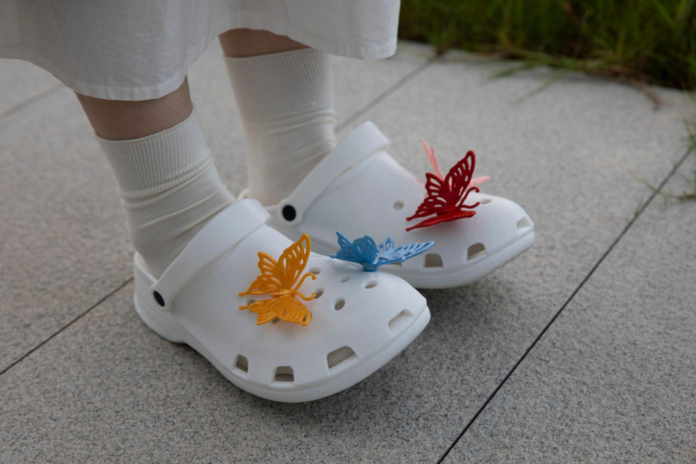

For decades, the fashion industry has operated on a rigidly binary system. On one end of the spectrum sits haute couture: exquisite, handmade, painstakingly tailored, and entirely inaccessible to the average consumer. On the other end lies fast fashion: trend-driven, mass-produced, highly accessible, but ultimately disposable. For the sartorially inclined individual who craves unique, high-quality, personalized pieces, the middle ground has historically been a difficult space to navigate.
However, a cultural and technological shift is blurring these lines. We are entering the era of the “New Artisan”—a movement where fashion-forward creatives are bypassing traditional manufacturing bottlenecks entirely. By bringing advanced fabrication tools into their living rooms and home studios, independent designers and style enthusiasts are redefining what it means to own bespoke fashion.
The Fatigue of the Ubiquitous Silhouette
To understand the rise of the desktop atelier, we must first look at the current state of consumer fashion. Globalization and algorithm-driven trend cycles have led to a homogenization of style. When a unique silhouette or accessory debuts on a runway in Milan, knock-offs flood global e-commerce sites within weeks.
The result? An aesthetic flattening. It is increasingly rare to walk down the street and see an accessory or a garment that sparks genuine curiosity.
- The Desire for Narrative: Consumers no longer just want to wear a brand; they want to wear a story.
- The Shift to Hyper-Personalization: True luxury is now defined by exclusivity and personalization—the knowledge that a piece was made specifically for the wearer, tailored to their exact preferences, and cannot be found on a department store rack.
This cultural craving for individuality has set the perfect stage for the democratization of bespoke design.
Enter the Desktop Atelier
Historically, launching an independent accessory line or crafting structural, avant-garde wearables required massive capital. You needed factory minimums, injection molding setups, and extensive supply chains. Today, that entire production line has been condensed into machines that fit seamlessly on a standard home desk.
By mastering intuitive 3D modeling software and investing in a high-quality 3D printer, everyday fashion enthusiasts are transforming digital concepts into physical, wearable art in a matter of hours. The boundaries of traditional textiles and metalwork are being shattered.
“The modern artisan doesn’t just cut fabric; they manipulate geometry. They are architecting accessories that defy traditional manufacturing constraints.”
In home studios around the globe, creators are fabricating items that are reshaping the accessory market:
- Architectural Jewelry: Bracelets and necklaces featuring impossible, interlocking geometric shapes that traditional casting methods simply cannot achieve.
- Bespoke Bag Hardware: Custom clasps, distinctive chain links, and structural handbag frames that elevate a simple leather tote into a runway-ready statement piece.
- Avant-Garde Eyewear: Frames molded perfectly to the asymmetrical nuances of an individual’s face, merging ultimate comfort with high-concept design.
The Chromatic Revolution: Beyond Monochrome
In the early days of desktop manufacturing, materials were severely limited. Creators were often restricted to single, solid colors—usually stark whites, industrial grays, or glossy blacks. While excellent for prototyping, these pieces often required hours of tedious sanding, priming, and hand-painting to achieve a fashion-ready finish.
Today, material science and hardware advancements have sparked a chromatic revolution in home manufacturing. The aesthetic possibilities are now virtually limitless.
With the advent of the multi color 3D printer, artisans can print complex, multi-toned pieces in a single production run. This leap in technology allows for:
- Seamless Gradients: Creating earrings or pendants that perfectly fade from a deep ocean blue to a vibrant sunset orange, mimicking high-end resin art.
- Integrated Textures and Patterns: Embedding intricate, multi-colored floral motifs, tartans, or custom logos directly into the structural integrity of the accessory, rather than painting them on the surface.
- Material Hybrids: Combining flexible, rubber-like materials with rigid, structural plastics in the exact same print, allowing for wearables that move naturally with the human body.
This means that a creator can conceptualize a vibrant, multi-layered accessory over their morning coffee and wear the fully finished, unpainted, vibrantly colored piece out to dinner that exact same evening.
Sustainable Luxury and Zero-Waste Production
Beyond aesthetics, the New Artisan movement champions a crucial paradigm shift: sustainability. The traditional fashion industry is notoriously wasteful, relying on overproduction and speculative inventory that often ends up in landfills.
Desktop fabrication operates on a strictly “made-to-order” philosophy.
- Zero Inventory: You only produce an item when it is desired.
- Minimal Waste: Additive manufacturing builds an item layer by layer, meaning it only uses the exact amount of material required for the final piece, unlike subtractive methods that carve away and discard excess.
- Eco-Friendly Materials: Many modern creators are utilizing bioplastics derived from renewable resources like corn starch, or recycled filaments made from reclaimed ocean plastics.
This localized, hyper-sustainable approach to manufacturing proves that high-end, bespoke design does not have to come at an environmental cost.
The Future is Wearable Art
We are standing at the precipice of a new era in design. The power to dictate trends is shifting away from massive fashion conglomerates and into the hands of the individual. The New Artisan is not bound by seasonal collections or minimum order quantities; they are limited only by their imagination.
As this technology becomes even more accessible, we will see a continuing explosion of localized, highly personal fashion. The ultimate luxury is no longer buying what someone else has designed for the masses. The ultimate luxury is becoming the architect of your own aesthetic.