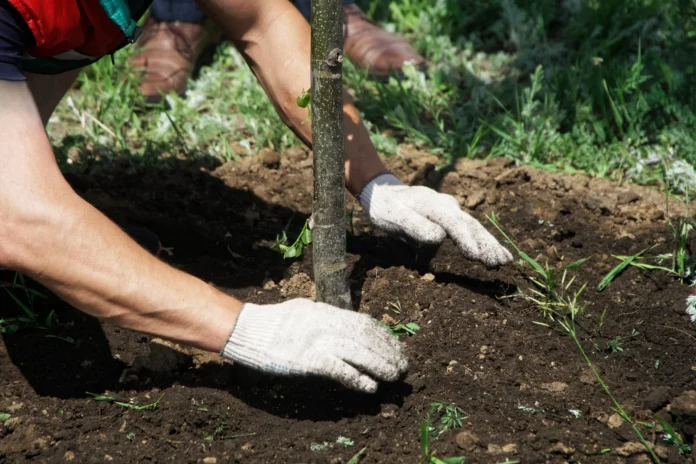

Landscaping can add shade, privacy, beauty, and character to a property, but trees growing near power lines require careful planning from the beginning. A young tree may look harmless when planted, yet its mature height and branch spread can eventually place it close to overhead electrical lines. Storms, wind, heavy growth, and falling limbs can increase the risk over time. Tree service helps homeowners make safer landscaping decisions by considering tree placement, growth patterns, clearance, and ongoing maintenance before problems develop. Thoughtful planning allows homeowners to enjoy healthy trees while reducing conflicts with utility infrastructure around the property.
Planning for Long-Term Clearance
- Tree Growth Should Be Considered Before Problems Appear
One of the most important ways tree service helps homeowners is by encouraging them to think about mature tree size rather than the appearance of a newly planted landscape. Small trees can eventually develop wide canopies, tall trunks, and branches that extend toward overhead utility lines. If that future growth is not considered during planting, homeowners may face repeated trimming needs or increased concerns during severe weather. A Janesville Tree service can help homeowners evaluate where trees are located now and how their growth could interact with nearby power lines in the years ahead. This kind of planning matters because safe landscaping is easier when potential conflicts are addressed early instead of after branches have already reached electrical infrastructure. A tree service can help identify which areas of the yard have enough space for larger trees and which areas may be better suited to lower-growing plantings. That approach creates a landscape that supports both visual goals and safer long-term clearance.
- Pruning Helps Reduce Risk Without Ignoring Tree Health
Trees already growing near power lines often require careful management rather than random cutting. Homeowners may be tempted to remove branches themselves when they begin approaching wires, but working near electrical lines can be extremely dangerous. Tree service helps by evaluating branch structure, growth direction, and the tree’s condition while considering the need for safer clearance. The goal is not simply to remove as much growth as possible. Poor pruning can weaken structure, encourage irregular regrowth, and change how the tree responds to wind. Thoughtful pruning focuses on managing growth patterns while maintaining the tree’s stability and natural form where possible. This matters because branches that grow toward utility lines can become more concerning during storms, when wind and heavy rain place additional stress on limbs. Regular assessment also helps homeowners understand when a tree can be managed through maintenance and when its location creates a longer-term conflict that may require a different landscaping decision. By planning, property owners can reduce recurring emergencies while supporting healthier trees and safer surroundings.
- Tree Condition Matters as Much as Branch Distance
Clearance from power lines is important, but the health and structural condition of a tree also influence landscaping safety. A branch may appear to be far enough from electrical lines under normal conditions yet still create a risk if it is dead, cracked, weakened, or poorly attached. Mature trees can also develop internal decay, root instability, or storm damage that changes how likely branches are to fall. Tree service helps homeowners look beyond simple distance and consider whether the tree itself is strong enough to remain safely in its current location. This broader assessment is useful because electrical concerns often become more serious during severe weather rather than during calm conditions. A weakened limb can break unexpectedly, while a poorly anchored tree may shift or fall toward utility infrastructure. By identifying structural concerns early, tree service helps homeowners make more informed choices about pruning, monitoring, or changing the landscape around vulnerable areas. Safer planning comes from understanding both where the tree grows and how well it is likely to withstand changing conditions over time.
- Landscaping Choices Can Reduce Future Maintenance Pressure
Another way tree service supports safer landscaping is by helping homeowners make planting choices that reduce future conflicts. Not every part of a yard should contain the same type of tree, especially when overhead lines cross certain areas. Lower-growing trees and shrubs may be better suited to sites beneath or near utility corridors. At the same time, taller species can be placed farther away, where their mature canopies have room to develop. This approach can reduce the need for repeated heavy pruning later and help the landscape maintain a more natural appearance. Tree service can also help homeowners consider spacing between trees, nearby structures, driveways, fences, and other features that influence long-term growth. Planning with these conditions in mind makes the property easier to maintain because trees are less likely to outgrow the space available to them. It also supports safer access around utility areas and reduces the chance that future homeowners will inherit a landscape filled with avoidable conflicts. Thoughtful placement creates a yard that can mature gracefully without constantly competing with overhead infrastructure.
Safer Landscaping Begins With Thoughtful Tree Planning
Tree service helps homeowners plan safer landscaping around power lines by combining growth management, structural assessment, pruning considerations, and smarter planting choices. Trees can remain valuable parts of the property without becoming ongoing sources of concern when their mature size and location are considered early. Regular attention also helps identify weakened limbs or changing conditions before storms or heavy growth turn them into larger risks. Safer landscaping is not about removing every tree near utility areas. It is about giving trees enough room to grow while protecting the infrastructure around them. With thoughtful planning, homeowners can create attractive landscapes that remain practical and safer over time.