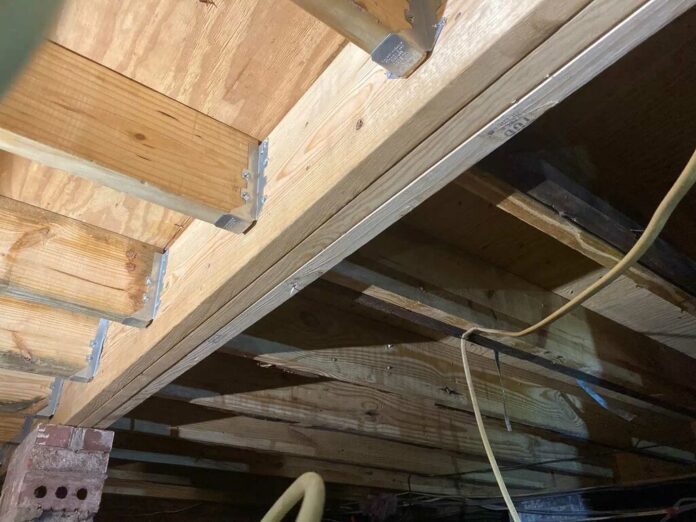

Wood rot in floor joists and support beams can threaten the strength and stability of a home when moisture problems remain unresolved beneath the structure. Crawlspaces are particularly vulnerable because poor ventilation, standing water, plumbing leaks, and high humidity can keep wooden components damp for extended periods. As moisture continues to affect the wood, fungal decay may gradually weaken important framing materials. Crawlspace repairs address both the damaged wood and the environmental conditions contributing to deterioration. Through moisture control, structural reinforcement, drainage improvements, and ongoing monitoring, homeowners can reduce further decay and help preserve the dependable support their floors and foundation require.
Restoring Strength Beneath the Home
- Finding Moisture Sources Behind Wood Deterioration
Effective crawlspace repairs begin by identifying why floor joists and support beams have remained damp enough for wood rot to develop. Moisture may enter through foundation cracks, groundwater intrusion, plumbing leaks, condensation, or exposed soil that continually releases water vapor into the crawlspace. Simply repairing damaged wood without addressing these conditions can allow decay to return. During an evaluation, affected framing members can be examined for discoloration, softness, cracking, fungal growth, or sections that have lost structural strength. The surrounding environment is also assessed for water accumulation and excessive humidity. Homeowners dealing with recurring moisture and weakened framing may consider Huntsville crawlspace repairs from Valley Crawlspace when looking for solutions that address conditions beneath the home. Once the source of moisture is understood, repair work can be planned around both immediate structural concerns and long-term prevention. This combined approach helps reduce ongoing exposure to damp conditions while creating a crawlspace environment less likely to encourage further fungal decay in floor joists, beams, and other wooden components.
- Reinforcing Floor Joists Affected by Structural Decay
Floor joists transfer weight across the structure and help keep interior floors stable, so significant wood rot can lead to sagging, bouncing, uneven surfaces, or noticeable movement underfoot. Crawlspace repairs may address weakened joists by reinforcing sections that still retain enough sound material or replacing components when deterioration has progressed too far. One common approach involves adding new structural lumber alongside an existing joist to provide additional strength and distribute loads more effectively. Other repairs may involve installing properly sized supports beneath areas where framing has lost stability. Before reinforcement begins, the extent of decay must be carefully evaluated, as attaching new material to severely damaged wood may not provide reliable support. Repair work also needs to consider plumbing, electrical wiring, ducts, and other systems that pass through the crawlspace. Restoring floor joists is therefore closely connected to moisture correction and structural planning. When damaged sections are appropriately supported and the conditions that cause rot are reduced, floors above the crawlspace can regain greater stability while remaining better protected from continued deterioration caused by recurring dampness.
- Repairing and Supporting Deteriorated Beams
Support beams carry substantial structural loads and often help transfer the weight of floors and walls toward foundation elements or support columns. When moisture causes these beams to rot, the damage can affect a broader section of the home than deterioration limited to an individual joist. Crawlspace repairs may include strengthening partially damaged beams, replacing severely compromised sections, or adding additional support where structural movement has occurred. Temporary stabilization may sometimes be required before damaged materials can be safely addressed. New posts, adjustable supports, or reinforced beam sections can help redistribute loads and reduce stress on weakened framing. The exact repair method depends on the location and severity of the deterioration as well as the surrounding foundation conditions. Moisture control remains important throughout the process because newly installed or reinforced wood can eventually develop similar problems if the crawlspace remains wet. By combining structural repairs with measures that create drier conditions, homeowners can address both the visible consequences of wood rot and the underlying environmental factors that contributed to the damage in the first place.
- Controlling Ground Moisture and Crawlspace Humidity
Repairing rotted framing without controlling crawlspace humidity can provide only temporary relief because wood remains vulnerable when it repeatedly absorbs excessive moisture. One important part of crawlspace repair is reducing the amount of water vapor entering from exposed soil. A durable vapor barrier can help isolate ground moisture and limit evaporation into the space beneath the home. In crawlspaces with persistent humidity problems, additional moisture-management measures may be needed to maintain more stable conditions. Drainage improvements can also help redirect groundwater away from areas where it collects around foundation walls or beneath structural framing. Plumbing leaks should be corrected promptly, while foundation openings that allow unwanted water intrusion may require appropriate repairs. The goal is to keep wooden joists and beams from remaining damp for extended periods. When humidity levels are reduced and standing water is controlled, fungal activity becomes less likely to continue damaging framing materials. A drier crawlspace can also make it easier to monitor repaired wood, identify future moisture changes, and maintain the structural improvements completed during the repair process.
Crawlspace repairs address wood rot by combining structural restoration with solutions for the moisture conditions that allow decay to develop. Damaged floor joists may require reinforcement or replacement, while weakened support beams can need additional structural support to restore stability. At the same time, vapor barriers, drainage improvements, leak repairs, and humidity control help create a drier environment beneath the home. Addressing only the damaged wood can leave the original cause unresolved, increasing the possibility of recurring problems. Through careful repairs and ongoing crawlspace maintenance, homeowners can protect the structural framing, prevent further deterioration, and maintain stronger, more dependable support beneath their living spaces.