
Key Takeaways
- Perimeter security is crucial for protecting both assets and people in commercial environments.
- Blending security solutions with architecture enhances both safety and visual appeal.
- Modern technology has created security systems that are both effective and visually unobtrusive.
- Urban planning strategies play an essential role in how perimeter security is realized.
- Successful projects showcase how security and design go hand-in-hand in commercial settings.
The Importance of Perimeter Security in Commercial Spaces
For any commercial property, perimeter security operates as the first layer of defense. It keeps assets, staff, and visitors safeguarded from a wide range of risks, including potential intruders and unauthorized access. Establishing a strong perimeter is no longer just about building high fences or imposing barriers. Today, companies seek to balance robust protection with a welcoming appearance, ensuring a secure environment without compromising on the brand’s image. Decisions on commercial fencing must now factor in how to deter threats discreetly while allowing for ease of movement and community interaction. In this modern landscape, security solutions are not just about stopping threats, but also about creating places where people feel safe, and businesses can flourish. Effective perimeter security enhances operational efficiency by allowing employees and customers to focus on their activities, knowing that external risks have been minimized.
Integrating Security with Architectural Design
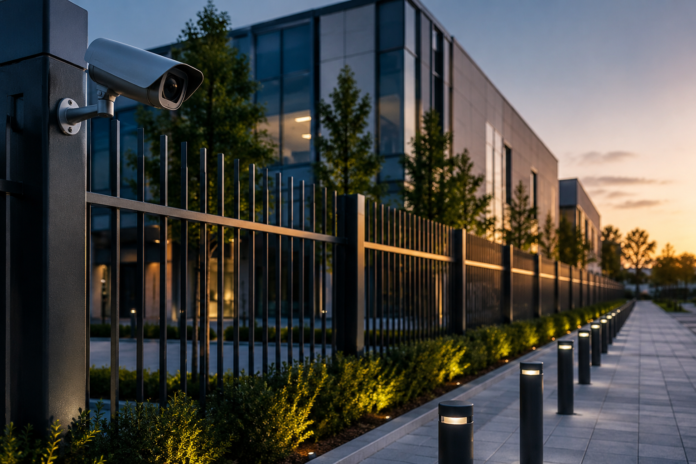
One of the key trends shaping commercial security is the integration of safety measures with architectural design. Rather than resorting to obtrusive elements, today’s architects collaborate closely with security professionals to ensure fencing, bollards, and barriers complement a site’s style and purpose. Design-led fencing allows commercial spaces to maintain a sophisticated urban look while delivering the required security performance. When implemented thoughtfully, perimeter features such as transparent panels, ornamental fencing, or custom-designed screens safeguard property without disrupting the aesthetic balance or creating a fortress-like atmosphere.
This fusion of form and function demonstrates how security and beauty can coexist. By adopting this approach, businesses invest not only in protection but also in the enduring appeal and value of their property. As developers and facility managers seek innovative perimeter solutions, understanding key trends from reputable sources like Security Magazine can help ensure the best results are achieved within budget constraints.
Technological Advancements in Perimeter Security
The field of perimeter security has benefited immensely from advances in digital technology. Surveillance systems now leverage artificial intelligence to provide real-time monitoring and advanced threat detection. Cameras equipped with AI can recognize patterns of suspicious behavior, such as loitering or attempts to breach entry points, and immediately alert security staff. Remote access and cloud-based systems enable security teams to monitor multiple locations simultaneously, improving response times and ensuring resources are deployed effectively. Due to these technological leaps, commercial property owners are no longer limited to basic defenses; instead, they can implement layered, smarter security systems adapted to their unique risks and environments. Leading publications, such as Security Magazine, have documented how technology has reshaped the way cities and commercial developments approach security, making it more adaptive and responsive.
The Role of Urban Planning in Perimeter Security
Effective perimeter protection does not stop at individual buildings. Urban planning influences how security measures blend into the larger fabric of streets, parks, and commercial corridors. Integrating low walls into landscaping, using planters or benches as vehicle barriers, and incorporating bollards along walkways are common strategies for merging safety into public and commercial spaces. This approach maintains both accessibility and aesthetic value. Urban planners work with architects and business owners to create environments that subtly discourage threats while encouraging positive community interactions. Examples from various cities show that security can be effective without being visually overwhelming. With careful placement and design collaboration, urban security infrastructure can feel natural and supportive, rather than imposing.
Real-World Examples of Integrated Perimeter Security
Several renowned commercial locations cleverly illustrate the union of security and design. At the New York Stock Exchange, sculptural bollards double as deterrents and as visually appealing public art, protecting the building and its occupants without giving the area a fortress-like feel. Similarly, the Smithsonian Museum of Natural History secures its grounds with low walls, artistic fencing, and thoughtfully placed plantings. These methods are visually harmonious with the site’s famed historic architecture while delivering the necessary defense capabilities.
Such examples demonstrate that safety and style can coexist if careful thought and planning go into the project.
Best Practices for Implementing Perimeter Security
- Engage in a comprehensive risk assessment to determine likely threats and vulnerabilities specific to the site.
- Collaborate with both qualified architects and urban planners to devise solutions that integrate security measures without disrupting the environment’s flow or appearance.
- Adopt leading technological solutions, such as cloud-based surveillance and AI-powered monitoring, to improve both detection and deterrence capabilities.
- Ensure that every component of the security infrastructure meets all local regulations and is updated regularly as standards evolve.
- Regularly audit and adapt security strategies to keep up with emerging risks or changes to the building and surrounding area.
Conclusion
Modern perimeter security in commercial environments is about more than deterrence. It is about creating spaces that are safe, visually appealing, and welcoming. Integrating protection into the heart of architectural design, supported by advances in technology and a collaborative planning process, offers a holistic approach. Businesses that embrace these principles can protect their assets and people while supporting a thriving, attractive environment that stands the test of time. By combining durable materials, smart security solutions, and thoughtful design strategies, commercial properties can achieve a balance between safety and aesthetics. A well-planned perimeter not only reduces risks but also enhances the overall experience for employees, customers, and visitors. Investing in effective security measures today helps businesses maintain long-term value, improve confidence, and create a more secure environment for future growth.