
Food processing facilities operate on timing, consistency, and precision. A single issue during sorting or inspection can affect product quality, production flow, and operational costs within minutes. That is one reason manufacturers continue investing in smarter automation systems that support both efficiency and accuracy across production lines.
The demand for advanced Food Processing Equipment continues to grow as processors look for systems capable of improving inspection standards while reducing waste and manual handling. Modern facilities require more than traditional machinery. They need technology that can adapt to changing production demands without slowing operations.
Sorting Systems Have Become a Core Part of Manufacturing
Sorting and inspection systems now play a larger role in food production than many people realize. These technologies help processors identify defects, separate unwanted materials, and maintain product consistency before packaging even begins.
Manufacturers are placing greater focus on systems that can improve:
- Product accuracy during sorting
- Production line efficiency
- Waste reduction
- Consistency across batches
- Quality control performance
Food processors working with fruits, vegetables, snacks, frozen products, and packaged goods often rely on automated sorting systems to handle large production volumes with greater precision than manual inspection alone.
Automation Supports Better Production Decisions
Industrial manufacturing technology continues shifting toward data driven operations. Modern sorting systems provide real time information that helps facilities monitor production trends, improve operational performance, and identify inefficiencies earlier in the process.
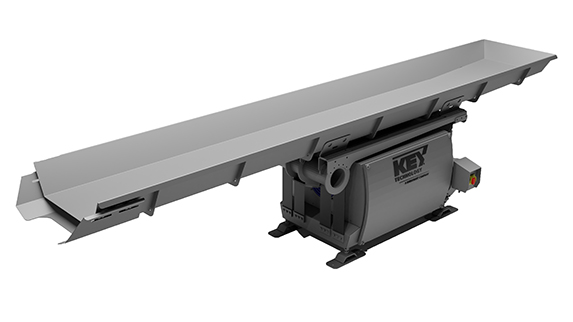
The Key Technology provides advanced automation and digital sorting solutions that help food processors optimize quality, efficiency, and production performance. This type of manufacturing support has become increasingly valuable as processors face higher expectations for food safety, consistency, and throughput.
Facilities that invest in advanced inspection systems often improve overall workflow because automation reduces the risk of human error while maintaining stable production output.
Inspection Equipment Helps Reduce Product Waste
Product waste remains one of the largest concerns in food processing environments. Inaccurate sorting systems can remove good products alongside defective ones, creating unnecessary material loss over time.
Improved optical inspection systems and automated sorting equipment help processors make more precise decisions during production. Better accuracy allows facilities to maintain stricter quality standards without sacrificing usable product.
Modern inspection technology can assist with identifying:
- Colour inconsistencies
- Foreign materials
- Surface defects
- Size irregularities
- Product contamination risks
These capabilities support cleaner production processes while helping manufacturers maintain stronger quality assurance standards.
Production Facilities Need Technology That Adapts
Manufacturing environments constantly change based on product demand, seasonal output, and operational requirements. Food processors often need systems flexible enough to handle multiple product types without major disruptions to production schedules.
This is where industrial automation technology becomes especially valuable. Equipment designed for adaptability can help processors scale production while maintaining inspection accuracy and operational consistency.
Reliable food sorting and inspection systems contribute to stronger production performance across every stage of manufacturing. Facilities that focus on automation, precision, and quality control are better positioned to improve efficiency while maintaining the standards modern food production requires.