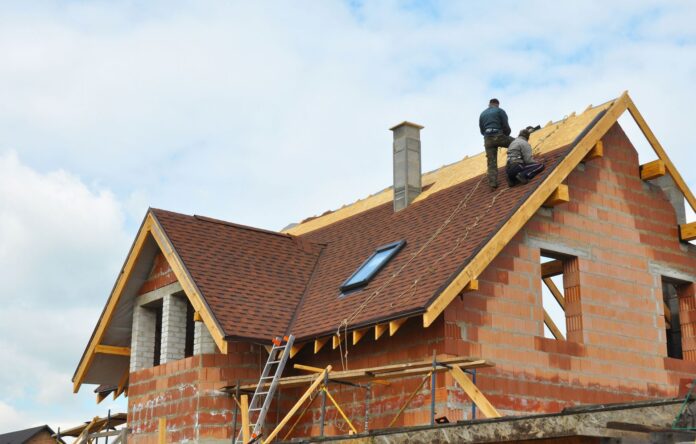

Homeowners often think about energy performance in terms of windows, insulation, or heating and cooling equipment. Yet, the roof plays a major role in how the whole house responds to outdoor conditions. It is the uppermost barrier between the home and sun, rain, wind, and seasonal temperature shifts. When that barrier is aging or underperforming, the house may absorb or lose more heat than expected, placing steady pressure on comfort and utility use. That is why roof replacement matters. It gives homeowners a chance to improve how the home performs from the top down instead of treating energy concerns as only an indoor systems issue.
Where energy planning begins
- Why Roof Replacement Creates a Stronger Starting Point for Energy Planning
A roof replacement gives homeowners more than a fresh exterior surface. It creates an opportunity to look at how the home handles heat, moisture, and air movement at the highest point of the structure. Older roofs may still appear serviceable from a distance. Yet, they can contribute to energy inefficiency through worn materials, outdated underlayment, poor ventilation support, or a roof system that no longer helps the home manage weather in a balanced way. When the roof is replaced, those conditions can be considered part of a larger plan rather than left in place beneath newer expectations for comfort and efficiency. Homeowners considering roof replacement in Kent may find that a new roof is not only about appearance or weather protection but also about giving the home a stronger foundation for better long-term energy performance. That matters because the roof affects how much heat reaches the attic spaces, how well moisture is controlled, and how consistently the home responds to outdoor conditions without placing extra strain on the rooms below.
- How Roof Replacement Helps Reduce Heat Pressure on the Home
One reason roof replacement improves energy performance is that the roof directly affects how much heat reaches the home’s upper structure during warmer conditions. Sun exposure on an aging roof can trigger a chain reaction that affects attic temperatures, ceiling surfaces, and the amount of work the cooling system must do to keep indoor spaces comfortable. A replacement allows homeowners to think more intentionally about how the roof will handle solar exposure, how the materials will perform over time, and how the full roof system will support a more stable indoor environment. This matters because once excessive heat begins building at the top of the home, the effects do not stay there. They spread downward into living areas, especially on upper floors and rooms closest to the roofline. A better replacement plan can help interrupt that pattern. Instead of asking the home to keep adapting to an aging roof that no longer efficiently supports comfort, the homeowner can use the replacement process to create a stronger first layer of resistance against repeated seasonal heat pressure.
- Why Attic Conditions Matter in Top-Down Energy Performance
Roof replacement also matters because energy performance depends heavily on what happens in the attic or in the enclosed upper spaces directly beneath the roof. If these areas trap too much heat, carry lingering moisture, or lack balanced airflow, the whole house can feel harder to manage even when the heating and cooling system is running normally. A roof replacement allows homeowners to think about the attic as part of the same energy conversation rather than as a separate hidden zone above the ceilings. This is important because a new roof provides an opportunity to examine how the upper structure functions more closely. Ventilation pathways, heat buildup, and the relationship between the outer roof and the space below all become more relevant when a replacement is underway. Better planning at this stage can support a home that feels steadier in changing weather and less dependent on mechanical systems alone to compensate for what is happening above. When the upper portion of the house performs more predictably, the rest of the home often benefits through improved comfort and a more even response to seasonal demands.
- How Roofing Choices Support Better Long-Term Comfort and Utility Control
A roof replacement helps homeowners plan more effectively by encouraging them to view energy performance as shaped by structure as much as by equipment. It is easy to focus only on thermostats, air conditioners, and furnaces when utility bills feel too high. Still, the roof influences whether those systems are working in a home that supports them or quietly works against them. A stronger roof replacement can make the home easier to heat and cool by helping it resist outside pressure more effectively from the start. That kind of support matters in every season. During warmer months, the roof affects how strongly heat presses downward into the home. During cooler months, it plays a role in how well the upper structure helps maintain indoor warmth, rather than allowing energy performance to feel inconsistent from room to room. When homeowners consider the replacement as part of a broader comfort strategy, the project becomes more practical. It is no longer only about replacing what is worn. It becomes about improving the home’s ability to support daily comfort with less wasted effort over time.
- Why Better Roofing Decisions Help the Whole House Work Together
Energy performance improves most when the home is treated as a connected system, and roof replacement can play an important role in that broader perspective. The roof affects attic conditions, ceiling temperatures, airflow patterns, and how hard the interior systems must work to keep rooms feeling stable. If the roof is ignored in that equation, homeowners may keep making improvements inside the house while the upper structure continues to create pressure from above. A thoughtful replacement changes that by making the roof part of the energy plan rather than leaving it out of the conversation. This is valuable because homes do not lose or gain heat in one isolated place. They respond through the combined behavior of the roof, attic, walls, windows, and mechanical systems. A better roof replacement can help those pieces work together more effectively. Instead of relying on indoor equipment to overcome an aging top layer, the home has a better chance of performing more evenly. That kind of coordination often makes long-term energy goals feel more realistic because the structure itself is contributing more actively to comfort rather than quietly resisting it.
Why Top-Down Planning Leads to Better Energy Performance
Roof replacement helps homeowners plan for better energy performance from the top down, as the roof is one of the home’s first and most important layers of defense against external conditions. When that layer is renewed thoughtfully, it can support lower heat pressure, healthier attic conditions, and a more balanced indoor environment year-round. The value of the project is not only in having a newer roof. It is in giving the home a stronger starting point for comfort and efficiency at the very top, where so many long-term performance patterns begin.