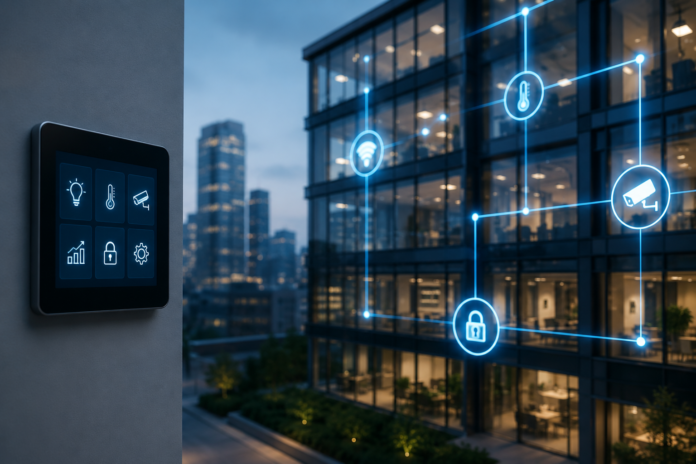

Lighting, Heating, Ventilation, and Air Conditioning (HVAC) systems, along with outdated electrical equipment, account for a large share of energy consumption in commercial properties. Facility managers face rising utility costs, inconsistent monitoring, and manual processes that slow daily operations.
Modern properties need better visibility into power usage, occupancy patterns, and equipment health across every floor. Outdated infrastructure often hides these inefficiencies until utility bills or tenant complaints force a review. So, how do smart building solutions help businesses cut costs, automate controls, and improve operational efficiency?
These systems combine sensors, electrical instruments, and software platforms to give facility teams real-time data. Businesses that deploy these tools gain stronger control over energy, security, and maintenance planning throughout their properties, while reducing manual oversight and improving response times.
What are Smart Building Solutions?
Smart building solutions connect electrical devices, sensors, and control systems onto one digital platform. Teams use this platform to monitor power consumption, air quality, security, and equipment performance from a single dashboard.
Key Features to Look for in Smart Building Solutions
Businesses should evaluate specific capabilities before selecting a platform for their facilities. Below are the features that separate a functional system from a genuinely valuable investment.
- Centralized Monitoring Dashboards
A single dashboard should display data from HVAC units, lighting circuits, and security devices. This reduces the need to check multiple standalone systems throughout the day.
- Energy Optimization Tools
Look for platforms that analyze consumption patterns and automatically adjust electrical loads during peak hours. This feature directly lowers utility bills over time.
- Automated HVAC and Lighting Controls
Occupancy sensors and scheduling tools should adjust temperature and lighting without manual input. Automation reduces waste in unoccupied zones and conference rooms.
- Predictive Maintenance Alerts
Equipment sensors should flag unusual vibration, temperature, or voltage readings before failure occurs. This feature prevents costly downtime and extends equipment lifespan.
- Scalable Integration Options
The platform should incorporate existing electrical instruments and building management systems without requiring a full infrastructure overhaul.
- Cybersecurity Safeguards
Connected devices create entry points for cyber threats, so encryption and access controls are non-negotiable. Weak security protocols can compromise an entire building network.
- Remote Access and Control
Facility managers should employ mobile or web-based access to adjust settings from any location. This matters most during after-hours emergencies or multi-site operations.
Why Businesses Should Invest in Smart Building Solutions
Adoption goes beyond convenience and directly affects operating budgets and tenant satisfaction. The following points outline measurable returns from a properly deployed system.
- Lower energy bills through automated load management and demand response scheduling.
- Reduced equipment failure through predictive alerts and condition-based maintenance schedules.
- Improved tenant comfort through consistent temperature, lighting, and air quality control.
- Stronger compliance with local energy codes and reporting requirements
- Higher property valuation due to modernized electrical infrastructure and documented efficiency gains.
Choosing a Platform That Balances Performance and Cost
Facility managers often ask, which smart building solutions enable centralized monitoring, energy optimization, and operational efficiency without complex system integration or high lifecycle costs?
Platforms built on open protocols, such as BACnet or Modbus, answer this by connecting existing electrical equipment through gateways instead of replacing entire infrastructures. This approach keeps lifecycle costs lower while still delivering real-time visibility across HVAC, lighting, and power distribution systems.
How to Choose the Right Smart Building Solutions for Your Property?
Selection depends on building size, existing electrical infrastructure, and long-term operational goals. Compare vendors based on integration flexibility, not just upfront pricing.
- Confirm compatibility with current electrical panels, meters, and control devices.
- Ask for documented uptime and cybersecurity certifications.
- Request a scalability roadmap for future equipment additions.
- Review total lifecycle costs, including software updates and technical support.
Ready to Upgrade? Talk to an Electrical Expert Today
Choosing the right smart building platform requires more than comparing feature lists on a spreadsheet. Businesses need a system that matches their existing electrical infrastructure and future expansion plans.
Partnering with a reputable electrical brand ensures proper installation, calibration, and long-term technical support for every connected device. A qualified partner also helps facility teams avoid compatibility issues during integration.
This guidance can also improve system scalability, cybersecurity readiness, and operational performance over time. It enables organizations to create a structured roadmap for future upgrades while maximizing the value of their smart building investments. Contact a licensed electrical provider to schedule a facility assessment and discuss which smart building solutions fit your property’s specific requirements and budget.