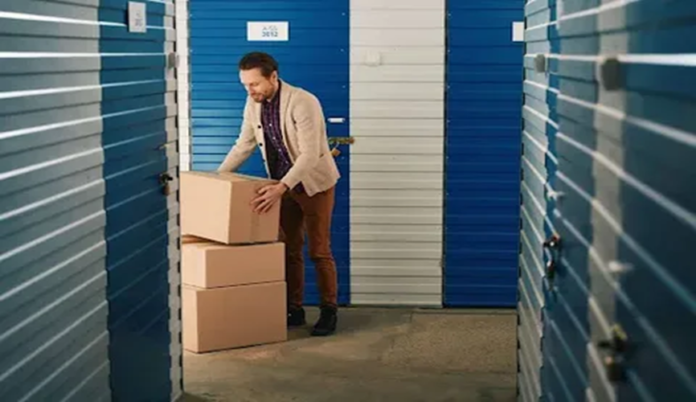

Boxes everywhere. Furniture pushed against the walls. A cousin who said he’d help with the move but disappeared somewhere around 2 PM. If you’ve been through any kind of relocation in the UAE, you already know that sinking feeling when you realize you have far more stuff than you have space for.
Secure self storage sounds like the obvious fix. And honestly, it often is — but the gap between a good facility and a frustrating one is bigger than most people expect before they’ve actually tried both. This guide is for anyone trying to figure out what they’re getting into, especially if you’re searching for self storage in Ajman and want to make a smart decision rather than just a fast one.
What Secure Self Storage Actually Means
It’s not complicated on the surface. You rent a unit, you put your things in it, you lock it, you leave. But “secure” is doing a lot of work in that sentence, and facilities vary wildly in what they consider acceptable security.
Strong security means more than a simple lock. Reliable facilities use CCTV, access logs, perimeter fencing, and unit-level protection to keep belongings safe. These features help prevent unauthorized access and provide greater peace of mind, making self storage in ajman a practical choice for both personal and business storage needs.
The difference matters because the UAE’s storage industry has grown fast. Fast growth means more options, but it also means more facilities that look fine from the outside and cut corners you won’t notice until something goes wrong.
Why It’s Worth Doing Properly
There’s a version of this where someone throws their belongings in the cheapest available unit, doesn’t think about climate control, and comes back six months later to find warped wooden furniture, rusted metal frames, and a stack of documents that humidity has turned into something resembling paper-mache.
In Ajman summers, temperatures can hit 45°C or above. Even if a unit feels dry when you visit, heat builds inside a sealed space. Electronics degrade. Fabric absorbs moisture from temperature fluctuations. Leather cracks. None of this is dramatic or unusual — it happens all the time, and it’s completely preventable with the right unit.
Beyond the practical stuff, there’s a peace-of-mind argument that’s harder to quantify but just as real. When your things are in a facility with proper access controls and documented entry logs, you’re not lying awake wondering whether someone could walk in. That matters more than people admit.
Other reasons people use storage facilities in Ajman include:
- Business owners storing inventory without committing to warehouse rental
- Families downsizing who aren’t ready to part with furniture
- Expats between contracts who need somewhere safe to keep belongings
- Home renovations that temporarily eliminate usable rooms
The Features That Actually Matter
Security That Holds Up
Ask specifically about CCTV coverage — “we have cameras” is different from “every corridor, entry point, and unit row is covered 24 hours.” Ask whether units have individual alarms or whether the building uses a single shared system. Ask when the last security audit was done.
Good facilities won’t be offended by these questions. They’ll have answers ready.
Climate Control
Already touched on this, but it deserves its own spot: if you’re storing anything other than pure hardcore indestructibles, get a climate-controlled unit. The price difference is usually 15–25% higher than a standard unit. For most people, that’s worth it many times over.
Unit Sizes
A facility with only one or two size options is limiting. Look for somewhere that offers a genuine range — from small lockers suitable for documents and a few boxes, right up to large units that can hold the contents of a full villa. Paying for more space than you need is a quiet cost that adds up fast over several months.
Access Hours
Some facilities in Ajman offer round-the-clock access. Others close at 9 PM. Neither is inherently wrong, but it depends entirely on your situation. A business that might need to pull inventory at odd hours needs 24/7 access. Someone storing household items they’ll visit once a month doesn’t particularly care.
How to Actually Choose — Step by Step
- Write down what you’re storing before you do anything else. Sounds obvious. Most people skip it and end up paying for a unit that’s either too small or too large.
- Estimate how long you’ll need storage. Month-to-month leases are standard, but longer commitments often come with meaningful discounts — sometimes 10–15% off.
- Visit the facility in person. Photos on a website are marketing. Walking through the facility is information. Look at how clean it is, how the staff interact with you, and whether the security infrastructure is visible and maintained.
- Ask about insurance. Some facilities include basic coverage in the rental price. Most don’t, or the included amount is low enough to be almost meaningless. Check your home or business insurance first — some policies extend to off-site storage and it’s cheaper to extend those than buy a new policy.
- Read what you’re signing. Look for notice periods required before vacating, what happens if you miss a payment, and whether they have any right to access your unit without notifying you.
- Confirm access arrangements. Who gets a key? Can you authorize someone else? What happens if you lose your access card?
What Does Self Storage in Ajman Cost in 2026?
Prices vary based on unit size, floor level (ground floor usually costs more because it’s easier to load), and whether climate control is included. Rough ranges:
- Small units around 25–50 sq ft: AED 150–300 per month
- Medium units around 100–150 sq ft: AED 400–700 per month
- Larger units 200 sq ft and above: AED 800–1,500 per month, sometimes more
Climate-controlled units sit at the higher end of each bracket or slightly above. First-month promotions are fairly common — worth asking about directly rather than waiting to see if it’s offered.
Don’t assume the advertised rate is fixed. There’s often flexibility, especially for longer commitments or if you’re renting multiple units.
Mistakes That Keep Coming Up
Renting based on price alone. The cheapest unit in Ajman might be cheap because the facility is under-maintained, security is minimal, or access is inconvenient enough that you’ll spend hours of your own time compensating for it.
Not labelling boxes. Everyone thinks they’ll remember what’s in which box. Nobody does.
Storing items that aren’t allowed. Flammables, food, live plants, hazardous chemicals — most contracts explicitly prohibit these. Violating the terms can mean your lease gets terminated with very little notice.
Ignoring humidity even inside climate-controlled units. Adding silica gel packets to sealed boxes, particularly those containing documents or electronics, takes about ten minutes and costs very little.
Forgetting to take a photo inventory before you close the unit. If something disappears or gets damaged, having a documented record of what was stored — and its condition when you stored it — is far more useful than trying to describe it later from memory.
Practical Tips From People Who’ve Done This More Than Once
Leave an aisle down the center of your unit. Sounds like wasted space. It means you can access anything without dismantling the entire contents every time you need one specific box.
Disassemble what you can. Bed frames, shelving units, desk legs — most of these unscrew in minutes and the difference in space they take up is substantial.
Store heavier boxes on the bottom, obviously, but also put the things you’re most likely to need near the front. Future you will appreciate it.
If you’re storing for longer than three months, consider revisiting the unit halfway through to check on things. Especially for first-time renters in a new facility.
Before You Go
Finding the right secure self storage in Ajman doesn’t have to be complicated, but it does require a bit more than picking whoever shows up first in search results. Visit. Ask questions. Read the agreement. Take five minutes to properly assess the security setup rather than assuming it’s fine because the place looks clean.
The difference between good storage and bad storage is almost never dramatic — it’s quiet costs, quiet inconveniences, and the occasional thing that comes back damaged when it didn’t need to be. Get this right once and you’ll barely think about it again.
If you’re ready to move forward, reach out to a reputable storage provider in Ajman, ask specifically about unit availability and current promotions, and get a facility walkthrough before you commit.