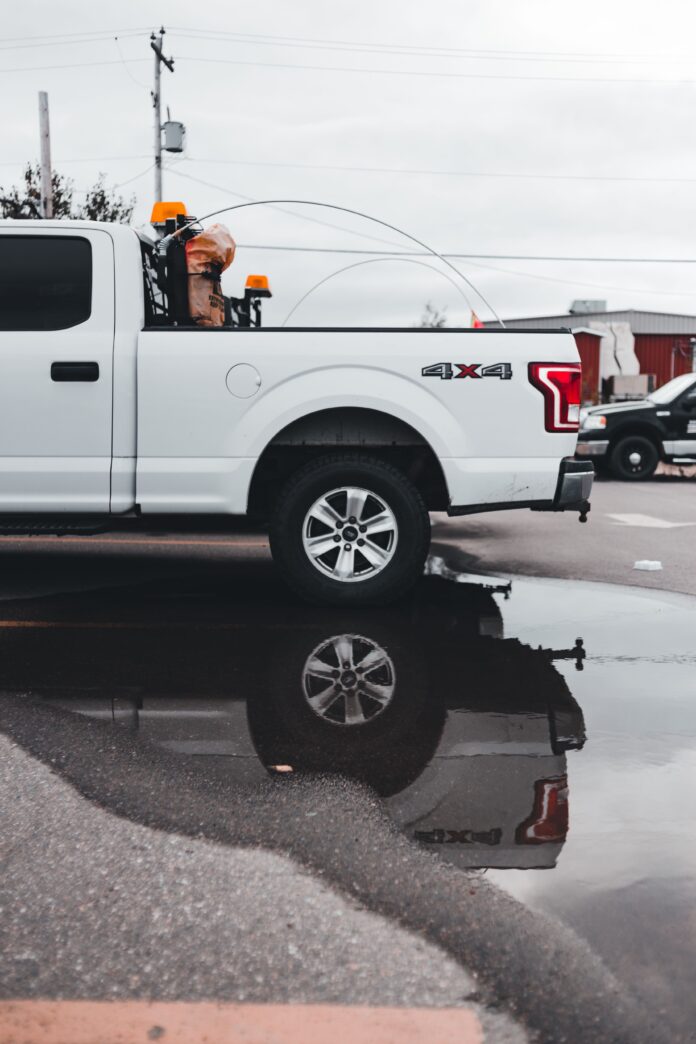

Choosing the right tool storage solution is an important decision for anyone who relies on their tools for work, home projects, or daily organization. A well designed storage system protects your equipment, improves efficiency, and helps maintain a clean, functional workspace. With so many options available, it is essential to evaluate your needs carefully before making a purchase. Understanding the key factors that influence durability, accessibility, and long term value ensures that you select a solution that supports your workflow and keeps your tools secure.
Assessing Your Storage Capacity Needs
Before investing in a tool storage solution, it is important to evaluate the number and types of tools you need to store. Larger collections require more space, stronger materials, and thoughtful organization features. Hand tools, power tools, and specialty equipment all have different storage requirements, and choosing a system that accommodates them comfortably helps prevent overcrowding and unnecessary wear. If you use your tools frequently, easy access becomes even more important. Planning for future growth is also helpful, as your collection may expand over time. Understanding your capacity needs ensures that your storage solution remains functional and efficient for years to come. This consideration aligns naturally with tool organization planning.
Evaluating Durability and Material Quality
Durability is one of the most important factors when selecting a tool storage solution. High quality materials protect your tools from damage and ensure that the storage system withstands daily use. Metal construction, reinforced corners, and weather resistant finishes contribute to long term performance. For vehicle based storage, such as an F150 tool box, durability becomes even more essential due to exposure to outdoor conditions and constant movement. A strong, well built storage solution prevents rust, dents, and structural issues that could compromise your tools. Prioritizing material quality helps you avoid frequent replacements and ensures that your investment remains reliable. This focus connects well with evaluating storage durability.
Considering Accessibility and Ease of Use
A tool storage solution should make your work easier, not more complicated. Accessibility plays a major role in how efficiently you can complete tasks. Features such as smooth sliding drawers, well placed compartments, and secure but easy to open latches contribute to a more streamlined workflow. If you frequently move between job sites or work outdoors, portability and quick access become even more important. A storage system that allows you to find and retrieve tools without unnecessary effort supports productivity and reduces frustration. When accessibility is prioritized, your tools remain organized and ready whenever you need them. This consideration aligns with improving tool accessibility.
Reviewing Security and Protection Features
Protecting your tools from theft, damage, and environmental exposure is essential, especially if you rely on them professionally. Many storage solutions include built in locks, reinforced lids, and weather resistant seals that help safeguard your equipment. Security features are particularly important for mobile storage or outdoor environments where tools may be left unattended. A well designed system keeps your tools safe from moisture, dust, and impact, preserving their condition and extending their lifespan. When evaluating storage options, consider how well each solution protects your investment and supports long term reliability. This focus connects naturally with tool security considerations.
Conclusion
Selecting the right tool storage solution involves understanding your capacity needs, evaluating durability, prioritizing accessibility, and reviewing security features. By considering these factors carefully, you can choose a system that protects your tools, supports your workflow, and provides lasting value.