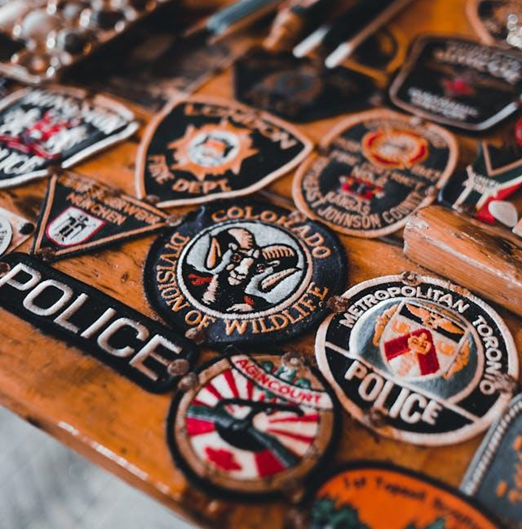

Custom chenille patches have become a popular choice for brands that want to create a bold and memorable identity. Their textured surface and vintage appeal make them stand out in ways that printed designs often cannot.
However, creating a great patch involves more than choosing colors and placing a logo on fabric. A patch that looks impressive on a computer screen may not look as good in the final design if important details are overlooked.
There are many factors involved that influence the final product. The tips below can help you avoid common mistakes and achieve a better custom patch for your brand.
1. Define the Purpose of Your Custom Chenille Patch
Before discussing colors, shapes, or materials, determine why you need the patch in the first place. A clear purpose helps guide every design decision that follows. Different brands use chenille patches for different reasons.
For example, a sports team may want to celebrate achievements and build team spirit. A clothing brand may use patches as a signature design element. Schools often use them to recognize accomplishments, while businesses may add them to promotional apparel to increase brand visibility.
The intended use also affects the patch’s size, level of detail, and placement. Therefore, understanding the patch’s purpose from the start helps ensure that the final product supports your branding goals rather than simply looking decorative.
2. Choose the Right Patch Size and Shape
Size and shape play a major role in how your patch looks and functions. A design that works well in one format may lose its impact when resized or placed elsewhere. A custom patch can be applied to jacket backs, chest areas, sleeves, hats, and bags. All these placements offer different amounts of space.
Apart from that, shape matters as well. Traditional circles, rectangles, and shields remain popular because they frame designs effectively. However, custom-cut shapes can create a more distinctive appearance when used thoughtfully.
If your design includes text, consider readability at the intended size. For example, a nickname patch used on team apparel may require larger lettering than a decorative patch designed primarily for visual appeal. Thus, always prioritize clarity over complexity.
3. Create a Design That Represents Your Brand
A custom patch should instantly communicate something about your brand. People should be able to recognize your identity, values, or style without needing additional explanation. Start with your existing branding elements. Logos, brand colors, mascots, slogans, and symbols can all help create a cohesive design.
Avoid the temptation to include too many elements. Overcrowded designs often lose their impact and become difficult to reproduce accurately. Focus on the most important visual components and remove anything that does not add value.
The strongest patch designs usually rely on simplicity. A clean design often attracts more attention and remains recognizable from a distance.
4. Pick the Best Materials and Textures
Material selection influences both appearance and durability. Chenille creates a soft, raised texture that gives patches their signature look, but additional materials can enhance the final design.
You can enhance your custom patch with embroidered borders, felt backgrounds, or twill backing. These combinations create contrast and help highlight specific design elements.
Texture also affects the overall feel of the patch. Some brands prefer a traditional varsity-style appearance, while others choose modern combinations that create a more contemporary look. Selecting the right materials ensures the patch aligns with both your aesthetic goals and practical needs.
5. Understand the Limitations of Chenille Patches
Chenille comes with its own set of limitations. Unlike printed graphics, chenille relies on yarn and stitching to create shapes and details. As a result, extremely small text, intricate illustrations, and highly detailed logos may not reproduce clearly. Fine details can become blurred or disappear entirely during production.
This limitation does not mean you need to simplify your brand identity. Instead, try to adapt the design to work within the medium’s strengths.
6. Ensure Your Design Scales Well
A patch design should remain effective at different sizes. What looks clear on a large digital mockup may become difficult to read when reduced for actual production. Therefore, review your design at the exact dimensions you plan to order.
Check whether text remains legible and whether important elements retain their shape. Pay particular attention to small symbols, thin lines, and detailed graphics. Many designers make the mistake of evaluating artwork only at full size. Zooming out to the intended production scale often reveals issues that would otherwise go unnoticed.
7. Always Request a Digital Proof
A digital proof provides one final opportunity to review the design before production begins. Carefully examine the proof for spelling errors, color inconsistencies, alignment issues, and missing details. Even small mistakes can become expensive once manufacturing starts.
You can easily compare the proof against your original artwork and confirm that all specifications match your expectations. This includes dimensions, colors, borders, backing options, and placement details.
Do not rush through this stage. Taking a few extra minutes to review a proof can save significant time, money, and frustration later. A thorough proof review helps ensure the final product accurately reflects your vision.
Final Thoughts
Custom chenille patches have evolved far beyond their traditional association with varsity jackets and school achievements. Today, they serve as powerful branding tools that help businesses, teams, organizations, and apparel brands create a distinctive visual identity.
As consumers continue to value authenticity and unique brand experiences, demand for custom chenille patches is expected to grow. Many brands are moving away from generic promotional products and investing in customized merchandise that creates a stronger emotional connection with their audience.
Custom chenille patches not only enhance a garment but it strengthens brand identity, increase visibility, and leave a lasting impression that continues to resonate long after the first wear.