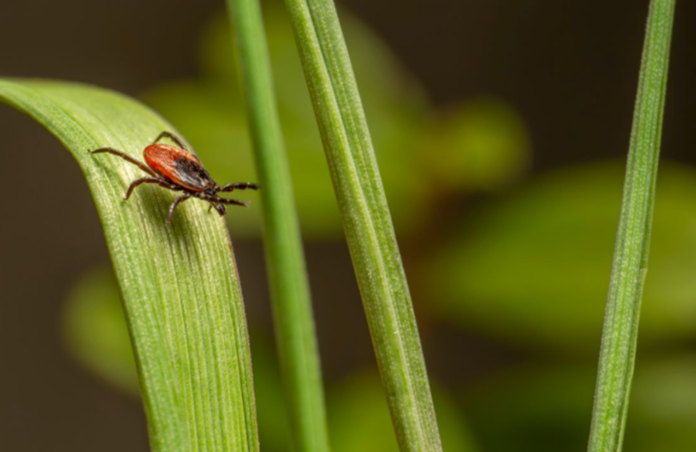

Many homeowners are surprised when they find ticks in a yard that looks clean and well-maintained. They often associate ticks with hiking trails, forests, and remote outdoor areas. In reality, ticks can thrive in ordinary residential landscapes when the right conditions exist. A backyard does not need to be heavily wooded to support tick activity. Moisture, shade, and access to animal hosts are often enough to keep ticks around throughout the warmer months.
The challenge is that many of the features that make a yard attractive and comfortable for people also appeal to ticks. Dense landscaping, shady corners, and natural areas can create ideal hiding spots without homeowners realizing it. Understanding which backyard features attract ticks can help you make smarter landscaping decisions and reduce the chances of unwanted encounters around your home.
Dense Shrubs Near Activity Areas
Shrubs add privacy, texture, and curb appeal, but dense plant growth can also create favorable conditions for ticks. Thick branches and heavy foliage block sunlight from reaching the soil, allowing moisture to remain trapped underneath. These cool, shaded spaces often stay comfortable for ticks even during hot summer weather.
The risk increases when shrubs sit close to patios, play areas, walkways, or outdoor seating. People frequently brush against branches while moving through the yard, which increases the chance of picking up a tick. Homeowners should pay attention to shrubs that have grown larger over time and become crowded. Pruning lower branches and thinning dense growth can improve airflow and allow more sunlight to reach the ground. These simple maintenance steps can make landscaped areas less attractive to ticks while preserving their appearance. If shrubs continue to create persistent tick problems, a tick control company can inspect the property and identify areas that may need additional attention.
Leaf Piles That Stay Damp
Leaves that collect under trees, along fences, or behind landscaping beds often create one of the most inviting environments for ticks. A layer of decomposing leaves traps moisture and provides shelter from temperature changes. Ticks can hide beneath this cover for extended periods, especially during warm months when exposed areas become too dry.
Many homeowners remove leaves during the fall but overlook smaller accumulations that continue to build throughout the year. Wind frequently pushes leaves into corners of the yard where they remain undisturbed. These pockets may not seem significant, but they can support tick activity for months. Regular yard cleanup reduces these hiding places and helps create a drier environment. Checking around retaining walls, garden borders, and wooded edges can reveal leaf buildup that might otherwise go unnoticed.
Firewood Storage That Attracts Wildlife
A neatly stacked woodpile may seem harmless, but it often attracts small animals that play a role in spreading ticks. Mice, chipmunks, and other wildlife use woodpiles as shelter because they provide protection from the weather and predators. When these animals carry ticks into the area, the surrounding space can become a hotspot for tick activity.
Location matters when storing firewood. Woodpiles placed directly against a home, fence, or dense vegetation create even more shelter for wildlife. Homeowners can reduce risk by keeping firewood elevated off the ground and placing it in a dry, open area whenever possible. Regularly inspecting wood storage areas for signs of animal activity is also helpful. Managing these spaces carefully can reduce opportunities for ticks to establish themselves near places where people spend time outdoors.
Bird Feeders That Invite Small Animals
Bird feeders can make a yard feel lively, but they often bring more than birds. Spilled seed can attract mice, chipmunks, squirrels, and other small animals that move through grass, shrubs, and garden beds. These animals can carry ticks across the property, especially when feeders sit near dense plants or wooded edges. The feeder itself may not create ticks, but the activity around it can increase tick movement nearby. Homeowners should keep the ground under feeders clean and avoid letting seed pile up. Placing bird feeders away from play areas, patios, and pet spaces also helps. If wildlife gathers around the feeder every day, that area deserves extra attention during yard checks and routine maintenance.
Ground Cover That Holds Moisture
Ground cover plants can look neat and low-maintenance, but thick growth often creates damp, shaded conditions near the soil. Ticks need moisture to survive, so dense ground cover can give them a protected place to wait between hosts. Ivy, pachysandra, liriope, and similar plants can become a problem when they grow close to walkways, patios, dog runs, or wooded borders. Homeowners do not always need to remove these plants, but they should keep them trimmed and avoid letting them spread into high-traffic areas. Thin patches also dry faster after rain or watering. If ground cover stays wet long after the rest of the yard dries, it may need better spacing or more sunlight.
Ticks usually show up in yards that give them shade, moisture, shelter, and access to animals. Many of these conditions come from normal backyard features, such as shrubs, leaves, woodpiles, ground cover, feeders, and wooded edges. The good news is that homeowners can reduce many risks with simple, steady maintenance. Trim overgrown areas, clear damp leaf piles, move wildlife attractants away from busy spaces, and pay close attention to pet paths and property borders. These steps make the yard less comfortable for ticks and easier for your family to enjoy. A few smart changes can turn outdoor areas into safer, more usable spaces during tick season.