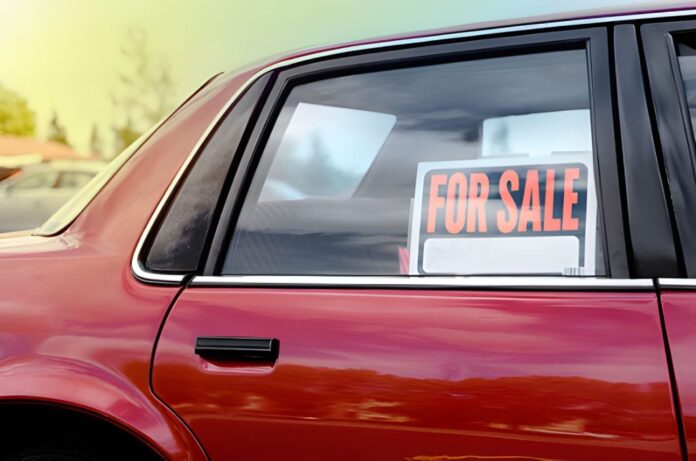

A vehicle’s resale value is determined by its mileage, brand reputation, physical condition, and maintenance history.
Low mileage and a strong brand name keep the value high. A clean body and a full book of service receipts prove the car was well-cared for. In hot climates like Dubai, regional specifications (GCC specs) and powerful air conditioning systems also play a massive role in holding value.
Your car loses value the moment you drive it away. Knowing the key factors that determine a vehicle’s resale value helps you save cash. Brand name, mileage, overall condition, and service history are the main pieces of this puzzle.
In global trade hubs like Dubai, the market for second-hand models moves very fast. Buyers focus heavily on how well a car handles intense heat and how easily they can source replacement parts. By managing your mileage, keeping detailed paperwork, and protecting the interior, you can maximize your cash return when it is time to sell.
What is Car Resale Value and Why Does It Matter?
Car resale value is the amount of money you get when you sell your used car. Think of it like trading in an old video game or a smartphone. Some models keep their value well, while others drop in price very quickly.
When you buy a brand-new car, it depreciates. This is a big word that simply means the car loses its financial value over time. In fact, automotive experts note that new cars lose 20% to 30% of their value within just the first two years.
By understanding what keeps that price high, you can choose a car that protects your wallet.
The Most Critical Factors That Determine Your Car’s Worth
How Many Kilometers Have You Driven?
Mileage is one of the very first things a buyer looks at. Every kilometer on the odometer represents wear and tear on the engine, the brakes, and the suspension.
- Low Mileage: Generally under 50,000 kilometers. These cars look and feel new, so they command the highest prices.
- The Sweet Spot: Vehicles with 50,000 to 100,000 kilometers. Market data from Mordor Intelligence shows this range holds a massive 35.55% share of the used-car market because it offers the perfect balance of a fair price and a good remaining life.
- High Mileage: Over 100,000 kilometers. Buyers get nervous about component failures, which can significantly reduce the resale price.
Does the Brand Have a Strong Reputation?
Not all car brands are built the same way. Some companies are famous for making cars that last for decades without major issues.
Brands like Toyota, Nissan, and Honda have very high resale values because people trust their long-term durability. If a car brand has a reputation for frequent breakdowns, its second-hand value will plummet.
What is the Physical Condition of the Vehicle?
First impressions matter just as much for cars as they do for people. Physical condition is split into two simple parts:
- The Exterior: Dents, deep scratches, chipped paint, or cracked lights instantly turn buyers away. It tells them that the owner did not take good care of the property.
- The Interior: Stained seats, torn fabric, scratched plastic dashboards, and bad odors (like cigarette smoke or pet smells) lower the price tag. Keeping your cabin clean can save you thousands of dollars in the long run.
The Hidden Power of Maintenance History
Can you prove that you took care of your car? A stack of official receipts is like a golden ticket for your vehicle’s value.
A full-service booklet from an authorized dealer proves to the buyer that the oil was changed on time, the fluids were topped up, and the engine was never neglected.
Without these papers, a buyer has to guess if the car is safe, and guessing means they will offer you less money.
| Vehicle Trait | High Resale Value Impact | Low Resale Value Impact |
| Brand Choice | Reliable Japanese / German models | Unpopular or rare niche brands |
| Mileage | Under 12,000 km per year | Over 25,000 km per year |
| Paint Color | White, Silver, Black, Grey | Bright Orange, Purple, Custom Wraps |
| Service Papers | Full history from the official dealer | Missing papers, DIY repairs |
Regional Trends: What Drives the Market in Dubai?
The second-hand auto market changes depending on where you live. For instance, the market for pre-owned vehicles in Dubai is highly unique due to the region’s climate and lifestyle.
Dubai is a massive commercial hub with a large expat population who prefer flexible, smart financial choices over long-term auto loans. Because summer temperatures regularly soar above 45°C, buyers in this region look for specific qualities:
- Desert Durability: SUVs rule the market. In fact, SUVs account for roughly 46% of the used-vehicle market share in the region due to their strong air conditioning and ability to handle sandy terrain.
- GCC Specs: Cars built specifically for the Gulf Cooperation Council (GCC) have upgraded radiators and better air conditioning systems. A car imported from Europe or America without these local upgrades will have a much lower resale value in Dubai because it might overheat in the summer sun.
How Market Demand and Technology Shift Prices
Sometimes, the value of your car changes for reasons beyond your control. Market demand acts like a wave.
The Rise of Modern Technology
As new cars get smarter, older cars look ancient very quickly. Features that used to be luxury upgrades, like Bluetooth connectivity, Apple CarPlay, parking sensors, and lane assist, are now expected by everyday drivers.
If your car lacks basic modern technology, its resale value will decline faster, as younger buyers will look elsewhere.
Fuel Preferences
Fuel prices alter buyer behavior. When fuel costs rise, small, fuel-efficient sedans and hybrid models skyrocket in popularity. Conversely, massive, gas-guzzling V8 engines become harder to sell, lowering their resale value.
Quick Steps to Protect Your Vehicle’s Resale Value
If you plan to sell your car in the next few years, you should start protecting its value today.
- Drive Gently: Avoid harsh braking and rapid acceleration to preserve the engine and transmission.
- Park in the Shade: Use covered parking or a car cover to protect the exterior paint from fading in the harsh sun.
- Keep It Original: Avoid adding noisy aftermarket exhausts, giant spoilers, or strange custom rims. Most second-hand buyers want a car that looks exactly the way it did when it left the factory.
- Fix Small Issues Early: Repair small windshield chips or minor door dings before they turn into major, expensive problems.
Take Action Today to Secure the Best Return
Your vehicle is an investment, and treating it like one pays off.
By keeping your mileage low, washing the exterior regularly, and saving every single oil-change receipt, you ensure that you get top dollar when you finally decide to trade up.
Are you ready to see what your current ride is worth? Check online valuation tools today, gather your service records, and take the first step toward a profitable sale!