
Introduction
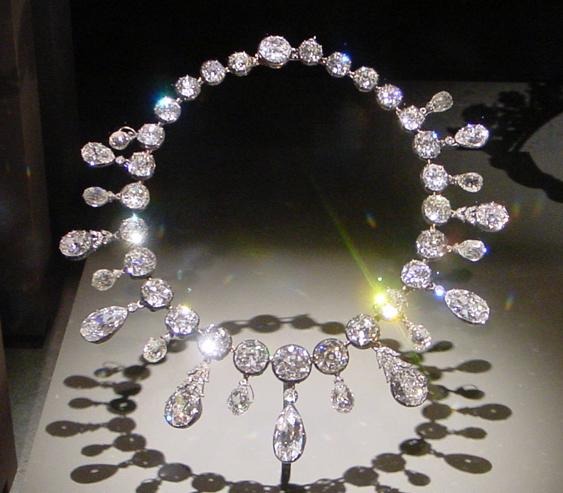
Jewelry has always lived close to the body, but its purpose has never been limited to decoration alone. Across cultures and centuries, rings, necklaces, bracelets, brooches, and earrings have carried messages about identity, love, status, memory, belief, and belonging. A piece of jewelry can mark a marriage, honor a family history, celebrate achievement, or express personal style in a way that words cannot always manage. That emotional closeness is one reason jewelry has gradually become recognized as a form of wearable art.
Unlike paintings or sculpture, jewelry moves with the person who wears it. It changes under light, interacts with clothing, responds to gesture, and becomes part of daily presence. A ring on the hand or a pendant at the neckline does not remain still in a gallery corner. It travels through conversations, celebrations, private moments, and public spaces. This movement gives jewelry a living quality, turning craftsmanship into expression and ornament into personal storytelling.
Jewelry Has Always Communicated Meaning
Long before modern fashion language existed, jewelry communicated social and emotional meaning. Ancient pieces often indicated rank, wealth, religious belief, family lineage, or ceremonial purpose. Materials such as gold, silver, gemstones, shells, beads, and carved stones were chosen not only for beauty but also for symbolic value. The body became a canvas, and jewelry became one of the earliest ways people carried meaning in visible form.
That purpose still remains. A wedding ring is more than metal. A diamond pendant can be more than sparkle. A bracelet inherited from a grandparent can feel like a small archive of family memory. Jewelry becomes wearable art when it does what art often does best: it holds feeling, identity, and intention inside a physical object.
Craftsmanship Turned Objects Into Expressions
The artistic value of jewelry depends heavily on craftsmanship. A skilled maker understands proportion, texture, balance, stone placement, metal behavior, and the relationship between structure and comfort. These technical decisions shape how the finished piece looks and feels. A poorly made piece may use valuable materials but still lack grace. A well-made piece can feel expressive even when its design is simple.
Jewelry craftsmanship also requires unusual intimacy with scale. A jeweler may work with tiny settings, delicate curves, hidden supports, and small stones that must perform both visually and structurally. In this miniature world, a fraction of a millimeter can change the mood of a design. The artistry is not always loud. Sometimes it whispers from the curve of a band, the angle of a prong, or the way a gemstone catches light like a tiny stage lamp.
The Body Changes the Artwork
Jewelry is different from many other art forms because it is designed to be worn. A necklace must consider the neckline. A ring must consider the hand. Earrings must move with the face. A bracelet must balance weight, flexibility, and comfort. The wearer becomes part of the artwork, completing the design through movement, posture, clothing, and personal style.
This relationship gives jewelry a special artistic dimension. A piece may look beautiful in a case, but it only fully comes alive when worn. Light moves differently, proportions shift, and the emotional effect changes once the object becomes part of a person’s presence. Wearable art is not only seen. It is carried.
Which Jewelry Designs Push Creative Boundaries the Furthest?
Artistic jewelry often evolves beyond traditional expectations of symmetry, ornamentation, and conventional beauty. Designers who prioritize creative exploration frequently experiment with unusual forms, unconventional materials, sculptural structures, and conceptual themes that challenge established ideas about what jewelry should look like. These pieces are not created solely to complement an outfit; they often communicate ideas, provoke reactions, or function as miniature works of art. As jewelry increasingly overlaps with contemporary artistic practice, consumers encounter designs that emphasize originality and creative expression over tradition. Readers interested in exploring the most boundary-pushing examples of this movement frequently discover avant garde jewelry as a category that embraces experimentation, conceptual design, and unconventional aesthetics.
The appeal of these designs comes from their ability to transform jewelry into a medium for artistic communication. Innovative construction methods create unexpected visual effects, while conceptual themes encourage viewers to engage with the piece beyond its decorative qualities. Many collectors and design enthusiasts appreciate this approach because it prioritizes originality and creative vision rather than adherence to established trends. Experimental jewelry also expands the possibilities of craftsmanship by introducing new materials, structures, and forms of expression. As a result, artistic jewelry continues to evolve alongside contemporary art and fashion movements. Understanding this relationship helps explain why some pieces are valued not only for their materials or craftsmanship but also for the ideas they communicate and the creative boundaries they challenge.
Fashion Helped Jewelry Become More Expressive
Fashion played a major role in shifting jewelry from traditional ornament to artistic statement. As clothing became more experimental, jewelry followed. Designers began using pieces to create mood, contrast, and identity rather than simply adding sparkle. A sculptural cuff could change the entire feeling of a minimal outfit. Oversized earrings could frame the face like moving architecture. A bold ring could become a visual signature.
This connection between fashion and jewelry is visible in the work of style figures, artists, and designers who treat personal presentation as a complete composition. Stories about creative fashion personalities, such as Pamela Hilburger and her design background, show how artistic influence can move through clothing, accessories, and visual culture. Jewelry fits naturally into that world because it can carry both craft and personality in a highly concentrated form.
Materials Expanded the Possibilities
Traditional jewelry often focused on precious metals and gemstones, but wearable art has expanded the material vocabulary. Designers now work with enamel, titanium, wood, ceramic, glass, resin, recycled materials, textiles, and unexpected industrial elements. These choices allow jewelry to speak in different visual languages. Some pieces feel organic, others futuristic, and some deliberately disrupt the idea of luxury.
Diamonds and precious stones still hold an important place, but their role has also changed. They are no longer limited to classic settings. A diamond might appear in a sharp geometric design, an asymmetrical ring, a sculptural pendant, or a piece that blends fine jewelry with conceptual art. The material may be traditional, while the message feels new.
Modern Diamond Choices Changed the Conversation
The rise of lab-grown diamonds has added another layer to the relationship between jewelry, technology, and art. Designers and buyers now think not only about beauty and rarity, but also about origin, accessibility, ethics, and innovation. This shift has encouraged more experimentation in diamond jewelry because different sourcing options can influence both design possibilities and consumer expectations.
Coverage of lab-grown diamond engagement ring trends reflects how modern buyers are rethinking what gives jewelry meaning. For some, the emotional value remains tied to natural formation and tradition. For others, technology and contemporary design feel more aligned with their values. In both cases, jewelry continues to operate as wearable art because it expresses what the wearer believes, chooses, and celebrates.
Dedicated Brand Section: Why Artistic Jewelry Requires Expertise
Jewelry that functions as wearable art requires careful balance. A piece may be visually daring, but it still needs to be wearable, durable, and well constructed. Strong design does not excuse weak craftsmanship. In fact, the more unusual the form, the more important technical skill becomes. A sculptural ring must still sit properly. A dramatic necklace must still distribute weight. A gemstone setting must still protect the stone.
Professional jewelry expertise helps connect creative ambition with practical execution. It allows buyers and collectors to understand whether a piece is only visually unusual or genuinely well made. Artistic jewelry should reward close attention. It should show intention in form, material, setting, finish, and comfort. When creativity and craftsmanship support each other, the result feels expressive without becoming fragile or theatrical in the wrong way.
Personal Meaning Completes the Art
Jewelry becomes most powerful when artistic design meets personal meaning. A piece may be admired for its form, but it becomes unforgettable when it connects to the wearer’s life. This connection can come through a custom design, an inherited stone, a symbolic shape, an engraving, a milestone purchase, or simply a style that feels deeply true to the person wearing it.
That is why wearable art is not only for galleries, collectors, or dramatic fashion moments. A simple diamond ring can be wearable art if its design, craftsmanship, and meaning work together. A pendant can become wearable art when it carries memory and beauty in equal measure. A bracelet can become wearable art when it transforms movement into expression. The category is wider than it first appears.
Conclusion
Jewelry became a form of wearable art because it has always done more than decorate. It communicates identity, memory, status, emotion, and imagination through objects designed to live on the body. Over time, craftsmanship, fashion, new materials, experimental design, and personal storytelling expanded what jewelry could be.
The most compelling pieces combine beauty with intention. They may be classic or unconventional, delicate or sculptural, traditional or futuristic. What matters is that they express something beyond surface shine. When jewelry carries craftsmanship, concept, and personal meaning together, it becomes more than an accessory. It becomes art in motion.