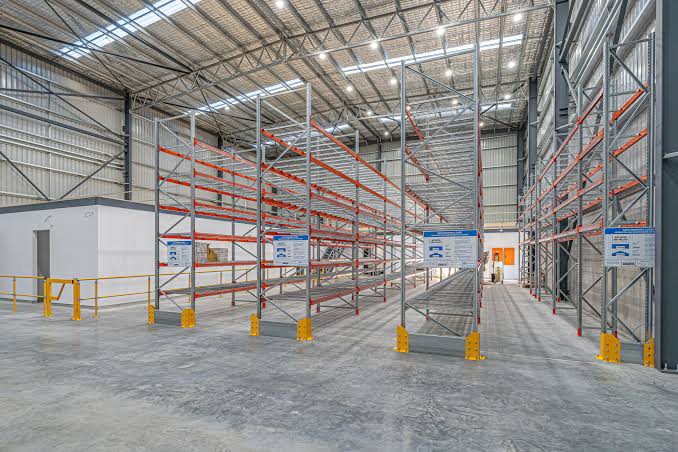

Warehouse space is becoming an increasingly significant concern for Melbourne firms dealing with expanding inventories, changing product lines, and tighter operational needs. Expanding into larger premises is not always the most feasible solution, especially if existing facilities still have wasted vertical space, inefficient layouts, or storage methods that are no longer appropriate for daily operations.
Rather than focusing only on more floor space, many warehouse owners are considering how to make their existing facilities more efficient. Smarter racking configurations, improved inventory organisation, and carefully chosen storage accessories can all help firms increase capacity while preserving accessibility and safety standards.
Making Better Use of Available Warehouse Space
One of the most typical issues in warehouse management is underutilised space. Wide aisles, variable shelf heights, and disorganised storage rooms might leave important regions of a facility unused.
A well-planned racking layout solves these inefficiencies by taking into account how goods are received, stored, retrieved, and dispatched. Instead, then only planning storage based on available floor space, organisations should consider product dimensions, pallet sizes, inventory turnover, and stock handling equipment.
This means that firms looking into pallet racking Melbourne solutions should consider more than just the amount of storage bays. The objective is to create a layout that accommodates more inventory without making everyday warehouse activities unnecessarily complicated.
Choosing Racking Systems That Suit Different Inventory Needs
Not every warehouse holds the same types of goods, so choosing the right racking structure is critical.
Selective Pallet Racking for Everyday Accessibility
Selective pallet racking remains a useful option for warehouses that handle a variety of product lines. It allows direct access to individual pallets, making it ideal for organisations with high stock turnover and numerous product references.
Its adjustable beam levels also enable for storage layouts that accommodate varying load heights, as long as any changes are allowed and stay within the system’s stated capacity.
Drive-In and Double-Deep Racking for Higher Storage Density
Warehouses that store huge amounts of comparable products may benefit from higher-density storage solutions.
Drive-in racking allows forklifts to enter specialised storage lanes, which reduces the number of access aisles needed. Double-deep racking stores pallets two positions deep, making better use of the available floor space.
These designs can enhance storage density, but they have various access requirements and inventory management considerations. Businesses should consider stock rotation, forklift compatibility, and picking frequency before deciding on either method.
Cantilever Racking for Long and Bulky Materials
Timber, steel sections, pipes, and other long materials might be challenging to fit into standard pallet bays. Cantilever racking offers open-fronted storage supported by projecting arms, allowing goods to be sorted without the constraints of traditional shelf.
Choosing the appropriate method for each product category reduces wasted space and simplifies inventory management.
Small Storage Improvements That Make a Difference
Maximising warehouse capacity does not necessarily necessitate replacing the entire racking system. Smaller additions can sometimes improve the performance of existing systems.
The correct pallet racking accessories can help firms adapt storage areas to varied products and operational needs.
Mesh decks provide additional load support, as do pallet support bars, upright guards, row spacers, and safety barriers. Each has a distinct purpose, ranging from supporting appropriate non-standard pallet loads to safeguarding structural components from forklift contact.
Always choose accessories that are compatible with the existing racking system and the loads being stored. They should not be used as an alternative to proper structural design or allowed modifications.
Why Warehouse Layout and Forklift Compatibility Matter
A storage system may have outstanding capacity on paper, but its usefulness is determined by how readily warehouse personnel can access and move material.
Aisle widths, turning spaces, picking positions, and loading areas all have an impact on daily production. For example, introducing narrower aisles without addressing forklift size and turning needs may result in operational challenges rather than true improvements.
Before changing layouts, warehouse designers should consider the interaction between racking configurations and material handling equipment. The appropriate combination allows firms to maintain practical access while utilising available space more effectively.
Making Space Efficiency a Long-Term Priority
Warehouse optimisation should not stop when new racking has been installed. Inventory requirements alter, product specifications shift, and equipment wears with constant use.
Routine inspections, clear load capacity marking, and adequate personnel training all contribute to the long-term viability of storage systems. WorkSafe Victoria recommends frequent checks for damage and overloading, as well as official inspections by a competent person every 12 months or less.
Businesses should also assess their storage arrangements whenever there are significant changes in inventory, pallet dimensions, or material handling equipment. Any structural changes require a technical examination.
Getting More from the Warehouse You Already Have
Improving warehouse capacity is not necessarily about finding a bigger building. It is about understanding how existing space is used and identifying practical ways to improve storage efficiency.
Melbourne warehouses can make greater use of their limited space by implementing appropriate racking configurations, compatible accessories, and a layout based on actual operational requirements.
The most effective storage systems strike a balance between capacity, accessibility, and flexibility, allowing organisations to adapt to changing needs while maintaining daily warehouse performance.