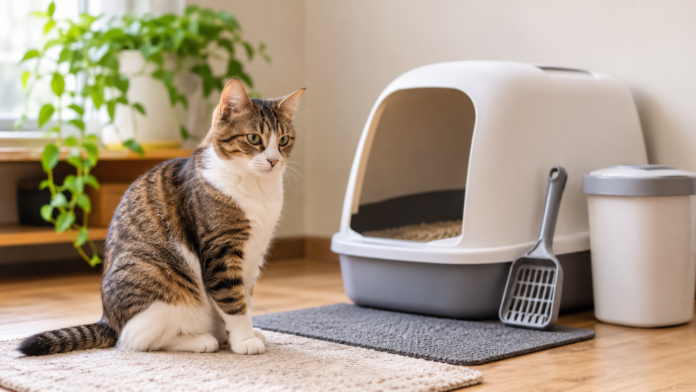

Indoor cats live closely with their owners, and the litter box is the one piece of their routine that the whole household notices. In a house without a garden or a cat door, every smell and every stray granule stays inside. That proximity turns a simple piece of equipment into a daily test of setup: how well the box contains odor, how easily it can be cleaned, and how comfortable the cat feels using it. Owners who get these details right rarely think about the box at all, while those who miss them spend a lot of energy trying to fix symptoms.
The good news is that most litter box problems respond to the same handful of adjustments. Cleanliness, litter depth, placement, and the condition of the box itself account for the majority of complaints. Working through them in order is more effective than buying another deodorizer or tossing out a box that may still be serviceable. This guide walks through that order and shows where small changes create the biggest shift in how an indoor home feels.
Start With the Box Itself
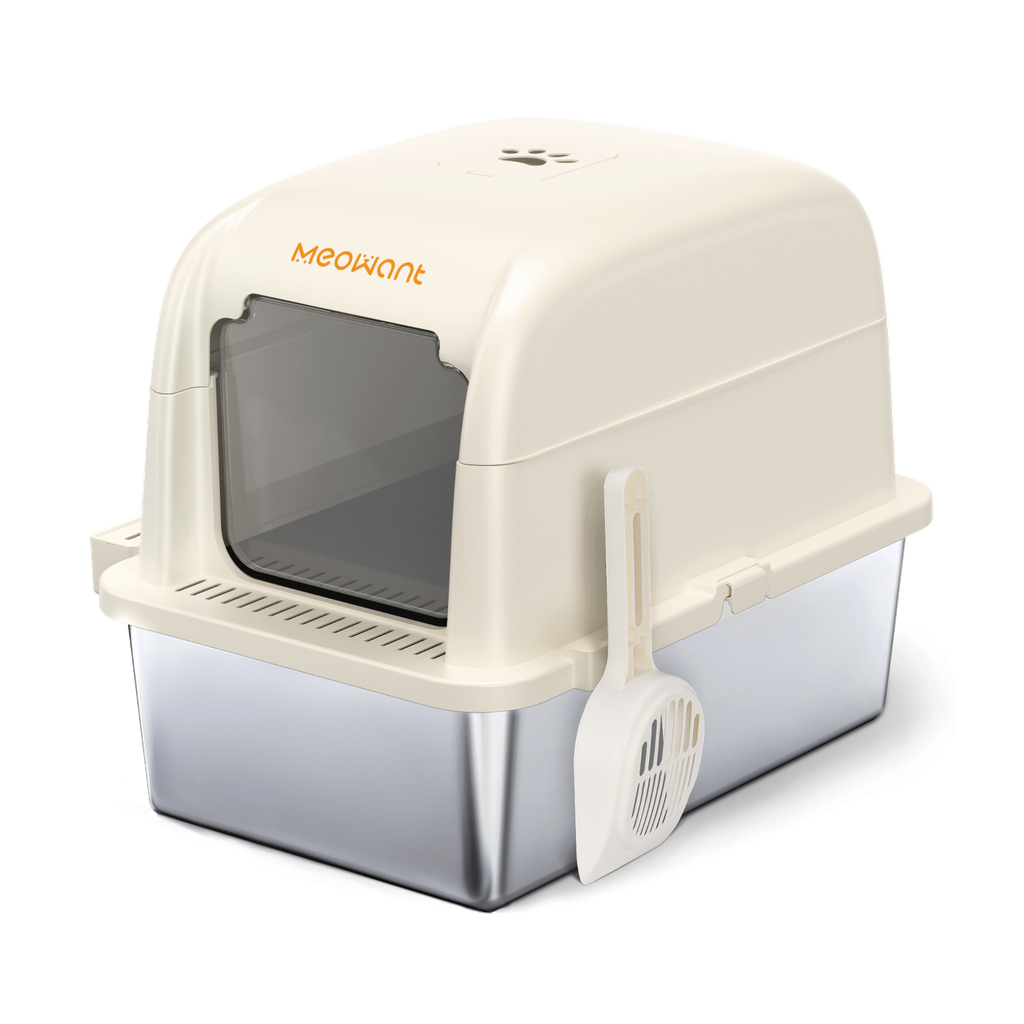
Before touching litter or scent products, look at the box as a piece of equipment. Scratched plastic holds odor in a way that no amount of cleaning can reverse, because bacteria settle into the grooves. A box with a smooth interior, rounded corners, and no deep seams is far easier to keep fresh. Inspect the current box for cracks, cloudiness, permanent staining, or a persistent smell that returns within a day of washing; any of these is a reason to replace it.
Hooded boxes need extra attention because they trap air. The hood concentrates odor under the cover, so an enclosed design that is cleaned less often will smell worse than an open box in the same state. If you prefer the look of an enclosed model, choose one with a wide, high opening and a removable top so that air exchange and cleaning are both easy. A practical cat litter box for an indoor home balances containment with airflow rather than sealing the litter away completely.
Build a Cleaning Routine That Actually Happens
Odor control is mostly a scheduling problem. Scoop at least once a day, ideally twice in multi-cat homes, and remove clumps as soon as you notice them. A box that sits for two days will smell regardless of what litter you use. Keep a scoop stored beside the box so that scooping costs no extra steps, and use a small lidded bin nearby for waste so you can empty it in one trip rather than walking it across the house.
Daily, Weekly, and Monthly
Separate the routine into layers. Daily work is scooping and stirring the litter so that clumps do not stick to the base. Weekly tasks include topping up the litter and wiping the rim and exterior. Monthly, empty the box completely, wash it with mild soap and warm water, dry it fully, and refill with fresh litter. A second box or a liner makes the wash cycle less disruptive, since the cat always has somewhere to go while the other box dries.
What to Avoid
Skip bleach and ammonia-based cleaners, which leave a residue that repels cats when they step in. Avoid scented deodorizers and perfumed litter if the cat hesitates; a clean, unscented box usually controls odor better than a scented one, and the fragrance can make the box feel unfamiliar. If you want to neutralize odor, air out the room and wash the box more often rather than layering on products.
Also avoid the temptation to use a heavy air freshener nearby. Plug-ins and sprays add a second scent on top of the first, which reads as a chemical fog rather than freshness, and some cats dislike the perfume enough to avoid the area. Baking soda sprinkled lightly into the litter can help with moisture, but it is a supplement to cleaning, not a substitute. The rule is simple: remove the source before adding anything to mask it.
Choose Litter and Depth With Purpose
Litter does more work than most owners realize. Clumping clay holds waste together so it can be fully removed, and a fill depth of about three inches gives cats enough to dig without wasting litter. Low-quality clays crumble and leave a dusty layer at the bottom, which is where smell starts. Pellet and crystal litters reduce tracking and last longer between changes, but some cats prefer a fine, soft texture, so introduce any switch gradually by blending old and new over a week.
Watch for dust, which is the quiet enemy of an indoor box. Fine dust settles on the rim, on nearby surfaces, and in the air when a cat digs, and it carries odor with it. If you notice a haze each time the litter is poured, switch to a low-dust option or pour more slowly from a lower height. Dust also bothers cats with sensitive noses, and a cat that sneezes at the box is unlikely to linger there.
Fine-grained litter tracks more but feels closer to soil, which many cats prefer. Larger granules stay in the box but can feel uncomfortable under paws. There is no single best choice, only one that your cat accepts and that you can manage consistently. Watch how your cat digs and covers; a cat that digs energetically may want more depth, while one that scratches at the floor instead of the litter may dislike the texture.
Control the Room Around the Box
The room matters as much as the box. Place the box away from heating vents, direct sun, and drafty windows, since warmth increases odor diffusion and drafts unsettle cats. Keep it out of busy walkways and away from the food and water bowls, which cats instinctively separate from their elimination area. In apartments, a bathroom or a quiet utility corner usually works better than a hallway.
Consider the floor beneath the box as well. Carpet holds odor and cannot be fully washed, while tile, vinyl, or concrete wipes clean in seconds. If the box must sit on carpet, use a waterproof mat underneath and extend it well beyond the box’s footprint so that any spill is contained. This small layer of protection makes monthly cleaning easier and prevents the kind of stain that keeps a room smelling sour even after the box is fresh.
Watch how the room feels at the cat’s height, not yours. Scents pool near the floor, and an area that seems fine from standing height may be noticeably stronger close to the ground. Crouching beside the box once a week is a useful check, and it reveals whether the placement is actually working the way you assume.
Ventilation and Mats
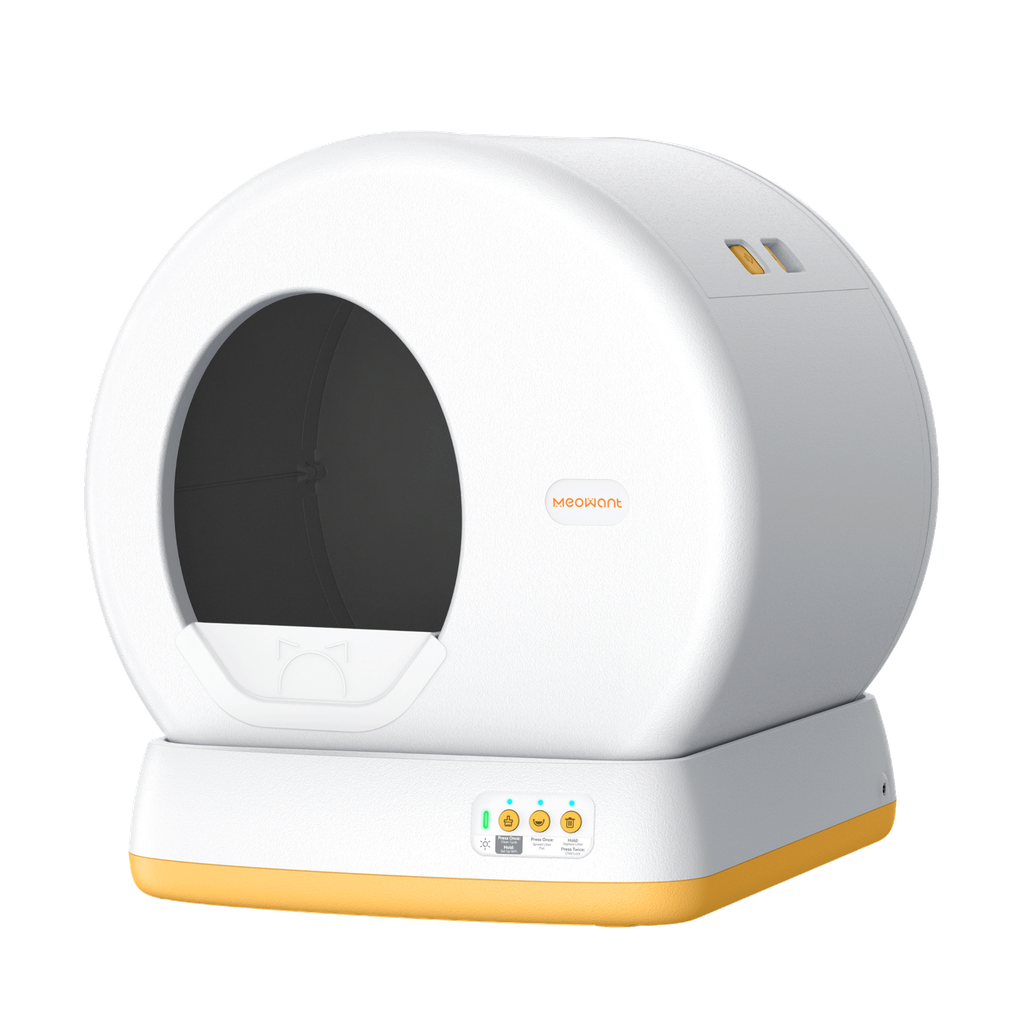
Good airflow does more for odor than any cover. Leave a small gap around a hooded box or choose a design with built-in ventilation. A litter mat in front of the entrance catches granules before they reach the rest of the floor, and it can be shaken outside once a week. These two additions, airflow and a mat, address the complaints owners most often try to solve with stronger deodorizers.
Multi-Cat Households
The general guidance is one box per cat plus one, spread across different rooms. Cats are sensitive about sharing, and a single busy box is a common source of both mess and stress. If space is tight, two boxes in separate quiet spots still work better than one large box in a single location. Multiple boxes also reduce the frequency of full changes, because each one fills more slowly.
In multi-cat homes, watch for guarding as well as mess. One cat may linger near the box or stare at others approaching it, which quietly pushes the others to wait or avoid. Separating boxes into different rooms removes the chokepoint without requiring any confrontation. It is one of the cheapest changes available, and it often resolves both odor complaints and behavioral ones at the same time.
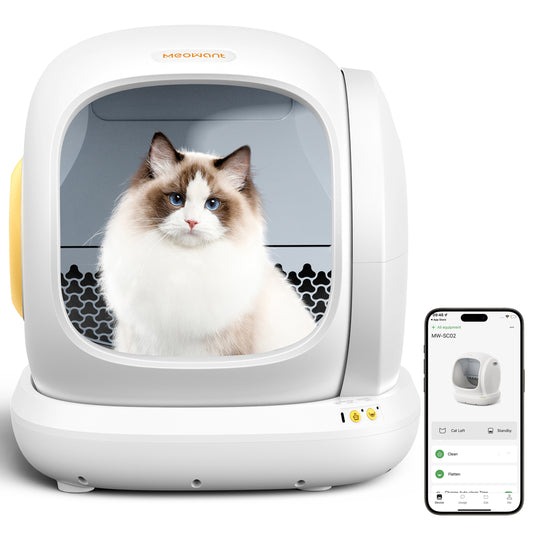
Brands that design for indoor living, including Meowant, tend to focus on the same practical points: durable surfaces that clean easily, airflow that prevents trapped odor, and sizes that accommodate real cats rather than fitting neatly on a shelf.
Fresh Air, Clean Litter, Calm Cat
A litter box that stays clean and odor-free is not an accident. It comes from a box that is sound, a routine that is simple enough to keep, litter that suits the cat, and a room that gives the whole system room to breathe. Each element is easy to overlook on its own, but together they determine whether the box is a background convenience or a recurring problem.
Start with the equipment, then the schedule, then the placement. If something still smells or the cat hesitates, revisit the basics before buying anything new. In most indoor homes, a handful of adjustments is enough to move the box from a constant concern to something the household simply stops noticing.