
Home maintenance is often a matter of timing. A dripping faucet‚ a loose cabinet handle or a scratched floor can usually wait until a convenient moment. Other problems‚ however‚ become significantly more serious when homeowners postpone dealing with them. Water damage can spread behind walls‚ electrical faults can create dangerous conditions‚ and security failures can leave a property vulnerable. Understanding which household issues require immediate attention can prevent a relatively manageable incident from developing into an expensive emergency.
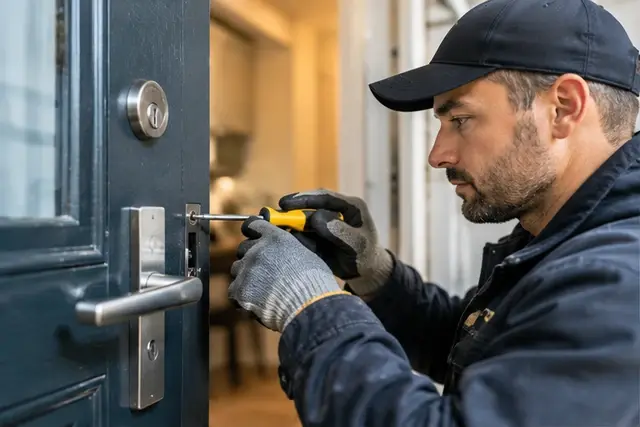
The distinction becomes particularly important during evenings‚ weekends and holidays‚ when arranging professional assistance may seem less convenient. A burst pipe‚ an electrical burning smell or an entrance that no longer locks properly should not be treated like an ordinary maintenance appointment. For example‚ emergency door repair may be necessary following a break-in‚ severe impact damage or sudden hardware failure that prevents a property from being secured. The common factor is not the size of the defect but the potential consequences of leaving it unresolved.
Water Leaks That Continue Behind Walls
Water is one of the most destructive elements inside a home‚ particularly when it reaches areas that are difficult to inspect.
A small stain on a ceiling may appear harmless‚ but it can indicate an active leak from plumbing‚ roofing or another source above. If moisture continues entering the structure‚ insulation‚ drywall‚ flooring and wooden components can become damaged.
A burst supply pipe is an obvious emergency because water can spread rapidly. However‚ slower leaks also deserve urgent attention when they cannot be contained or when they affect electrical fixtures‚ ceilings or multiple rooms.
The first priority is stopping the water at its source‚ when this can be done safely. Knowing the location of the main water shutoff valve can make an enormous difference in the amount of damage that occurs.
Once the immediate flow has been controlled‚ the affected area needs proper assessment. Simply drying the visible surface may not address moisture trapped beneath flooring or inside wall cavities.
Electrical Problems That Signal Immediate Danger
Some electrical problems develop gradually‚ while others appear without warning. Both can present serious safety risks.
A light that occasionally flickers may have a relatively simple explanation. However‚ burning smells‚ smoke‚ sparking outlets‚ unusually hot switches or repeated breaker trips accompanied by other warning signs require immediate attention.
Electrical hazards should never be investigated through improvised repairs or repeated attempts to reset a malfunctioning circuit.
Where it is safe to do so‚ occupants should stop using the affected equipment and isolate the relevant circuit. If there is smoke‚ fire or an immediate threat‚ leaving the area and contacting emergency services takes priority.
Licensed electricians have the equipment and training necessary to identify whether the problem involves wiring‚ overloaded circuits‚ damaged connections or defective equipment.
Delaying action because the affected outlet or appliance is still functioning can be dangerous. Electrical faults do not always provide consistent warning signs before conditions worsen.
A Heating Failure During Extreme Cold
A malfunctioning heating system is inconvenient under ordinary circumstances. During severe winter weather‚ it can quickly become a much more serious concern.
Without adequate heating‚ indoor temperatures may fall to unsafe levels‚ particularly for infants‚ older adults and people with certain medical vulnerabilities.
Extended periods of freezing indoor conditions can also threaten plumbing located near exterior walls or in poorly insulated sections of the building.
The urgency depends on the outside temperature‚ the building’s insulation and whether a reliable alternative source of heat is available.
A heating system that stops functioning during a mild autumn afternoon may allow time for a scheduled appointment. The same failure during a prolonged winter cold snap can require immediate professional assistance.
Homeowners should avoid using outdoor heating equipment‚ barbecues or unvented fuel-burning appliances indoors. These can create dangerous carbon monoxide exposure and fire risks.
Roof Damage During Heavy Rain or Storms
Storm-related roofing problems are not always visible from inside a home.
Strong winds can dislodge shingles or flashing‚ while fallen branches may damage roofing materials and create openings for water.
When heavy rain follows‚ moisture can enter the attic or wall assemblies before any obvious staining appears in living spaces.
A leak that is actively allowing water inside deserves prompt attention‚ especially if it is close to electrical systems or appears to be affecting structural materials.
However‚ urgency does not justify climbing onto a wet or storm-damaged roof. High winds‚ slippery surfaces and weakened roofing components make this particularly hazardous.
Professional temporary weatherproofing may be appropriate until permanent repairs can be completed under safer conditions.
After the immediate problem is stabilized‚ a more detailed inspection can establish whether the damage is isolated or part of a larger deterioration pattern.
Sewage Backups and Drainage Failures
A blocked sink is usually an inconvenience‚ but sewage entering a basement‚ bathroom or other occupied space is a different matter.
Wastewater backups can expose occupants to harmful microorganisms and contaminate flooring‚ furnishings and building materials.
They may result from sewer-line obstructions‚ municipal system issues‚ tree-root intrusion or problems with backwater prevention equipment.
If wastewater is actively entering the property‚ affected plumbing fixtures should not continue to be used until the cause has been identified.
Cleaning also requires appropriate precautions. Porous materials that have been contaminated may need specialist treatment or removal rather than ordinary household cleaning.
A professional assessment is particularly important when sewage reaches finished basement areas‚ heating equipment or electrical installations.
Gas Leaks and Carbon Monoxide Warnings
Gas-related emergencies require a different response from ordinary maintenance problems.
A suspected natural gas leak‚ a carbon monoxide alarm or symptoms consistent with possible carbon monoxide exposure should never be approached as a routine household repair.
If a gas leak is suspected‚ occupants should leave the building immediately‚ avoid operating electrical switches or ignition sources‚ and contact the gas utility or emergency services from a safe location.
Carbon monoxide is particularly dangerous because it cannot be seen or smelled. Exposure may cause headaches‚ dizziness‚ nausea‚ confusion and other symptoms that can initially resemble an ordinary illness.
A carbon monoxide alarm should therefore be treated seriously even if no obvious problem is visible.
The building should not be reoccupied until the relevant emergency responders or qualified professionals have confirmed that it is safe.
The Importance of a Household Emergency Plan
Unexpected problems become more difficult to manage when occupants do not know where essential equipment is located or whom to contact.
A basic household emergency plan should include the locations of water shutoff valves‚ the electrical panel and any other relevant isolation controls.
It is also useful to maintain accessible contact information for qualified local service providers‚ the utility companies and the property insurer.
Photographs and brief written notes can help document the condition of damaged areas before permanent repairs begin‚ provided that collecting this information does not create additional risks.
Essential records‚ including insurance details‚ should be stored somewhere accessible even if the property temporarily becomes unsafe to occupy.
For households with children‚ older relatives or pets‚ the plan should also account for how everyone can leave the property safely when necessary.
Temporary Measures Versus Permanent Solutions
An urgent response does not always mean completing the entire repair immediately.
In many situations‚ the first objective is stabilization: stopping water‚ isolating a hazard‚ preventing further weather exposure or securing an affected part of the building.
Permanent repairs may require replacement materials‚ specialist inspections or additional planning.
Confusing a temporary measure with a complete solution can create problems later. A covered roof opening‚ for example‚ may reduce immediate water entry without addressing the underlying damage.
Homeowners should understand what has been stabilized‚ what remains unresolved and whether the affected area can safely return to normal use.
Clear documentation of temporary work also helps ensure that follow-up repairs are not forgotten once the immediate disruption has passed.
Recognizing the Difference Before It Is Too Late
The most important question when a household problem appears is not whether the repair can be scheduled conveniently. It is what might happen if the condition remains unchanged for another day or two.
Problems that threaten personal safety‚ compromise security‚ cause active contamination or allow ongoing damage generally require a faster response than ordinary cosmetic defects.
At the same time‚ not every unusual sound‚ small crack or minor inconvenience justifies an emergency call. Understanding the warning signs makes it easier to respond proportionately rather than reacting to every defect with the same level of concern.
A well-maintained home still experiences unexpected failures. The difference lies in recognizing which situations demand immediate action‚ knowing how to reduce the initial risk and ensuring that temporary solutions are followed by appropriate permanent repairs.
Sometimes‚ waiting until Monday is perfectly reasonable. In other situations‚ those extra hours can make all the difference.
Article courtesy of Lawrence Doors & Glazing