
A remote vacation home needs a power system that fits the way people actually stay there. A lakeside cabin used on summer weekends has different requirements from a mountain retreat occupied throughout winter. Refrigerators, water pumps, heating controls, security equipment, and communication devices may need electricity even when nobody is present. The best generator balances dependable power, fuel availability, operating costs, and the ability to manage long periods without utility service. Start by examining the property’s energy needs and local conditions.
Choose a Power Source That Fits Remote Living
Fuel Generators for Extended Off-Grid Stays
Fuel generators suit vacation homes that need substantial electricity for extended periods, especially when the property has no grid connection. Depending on the model, a generator may support water pumps, kitchen appliances, heating equipment, and other household loads simultaneously. Diesel, gasoline, and propane models offer different fuel arrangements, so owners should consider local availability, storage requirements, operating conditions, and the manufacturer’s recommended maintenance schedule. Fuel planning matters particularly at properties reached by long gravel roads or seasonal access routes. Owners should estimate daily energy demand, identify peak loads, and calculate how much fuel they need between supply trips. Correct sizing and professional installation also matter when connecting a generator to household circuits.
Solar Panels and Batteries for Independent Energy
Solar panels paired with battery storage offer a different approach to remote power. Panels generate electricity during daylight, while batteries store energy for evening use and periods when solar production exceeds immediate demand. This arrangement can suit cabins with good solar exposure and predictable electrical loads, particularly when owners want to reduce reliance on delivered fuel. System sizing should account for seasonal sunlight, roof or ground-mount orientation, battery capacity, and the property’s daily consumption. Winter conditions deserve particular attention because shorter days and snow cover can affect solar production. Owners should also consider how the system will power essential equipment during extended cloudy periods and whether another charging source is needed for longer stays.
Hybrid Systems for Changing Conditions
A hybrid system combines battery storage with solar generation and, where appropriate, a fuel-powered generator. Each component serves a different purpose. Solar panels produce energy when sunlight is available, batteries supply stored electricity when production falls, and a compatible generator can recharge the batteries when additional energy is required. This arrangement is useful when a remote property experiences changing weather or fluctuating occupancy. For example, a cabin may consume little electricity between visits but need more power when several people arrive for a long weekend. A hybrid design allows owners to plan around those different operating patterns. The important step is to establish how each source connects to the electrical system and when it should supply or replenish energy.
Size the System Around the Property’s Real Needs
Start With Essential Appliances and Peak Loads
The right system begins with an appliance inventory, not a generator’s headline wattage. Record each device’s power demand and expected daily operating hours. Refrigerators, freezers, internet equipment, security systems, and water pumps may form the essential baseline. Heating equipment, electric cooking appliances, and air conditioning can add substantial demand. Some motors also draw more power during startup than during normal operation. Owners should calculate both running wattage and startup requirements, then identify which appliances may operate simultaneously. A cabin that needs only refrigeration, lights, and communications has a different load profile from a large property with central air conditioning and electric water heating. A qualified electrician can assess circuit requirements and confirm suitable equipment capacity.
Match Battery Capacity to Time Away From the Property
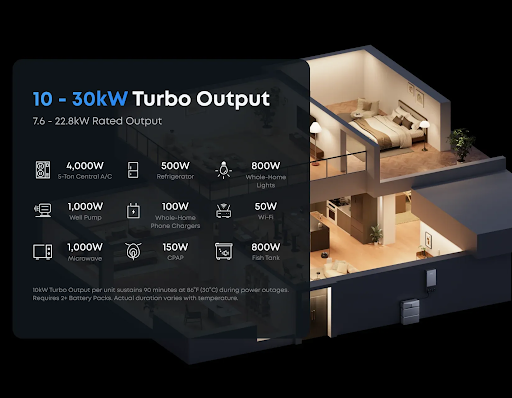
Battery capacity determines how much energy a system can store for use when generation is unavailable. Owners of remote homes should estimate consumption over the period they expect to operate without solar charging or another energy source. A property using 5 kWh daily would theoretically need 20 kWh of usable stored energy for four days, before accounting for conversion losses, reserve capacity, temperature effects, and other system factors. This calculation provides a starting point rather than a guarantee of runtime. Expandable systems can offer flexibility as household needs change. The Anker SOLIX E10 Whole-Home Backup, configured with an E10 power module, two B6000 batteries, and a Power Dock, provides 7.6 kW of continuous output and 10 kW of turbo output for up to 90 minutes. Its battery architecture supports expansion, making capacity planning relevant for properties with higher energy demands.
Prepare for Weather, Access, and Automatic Backup
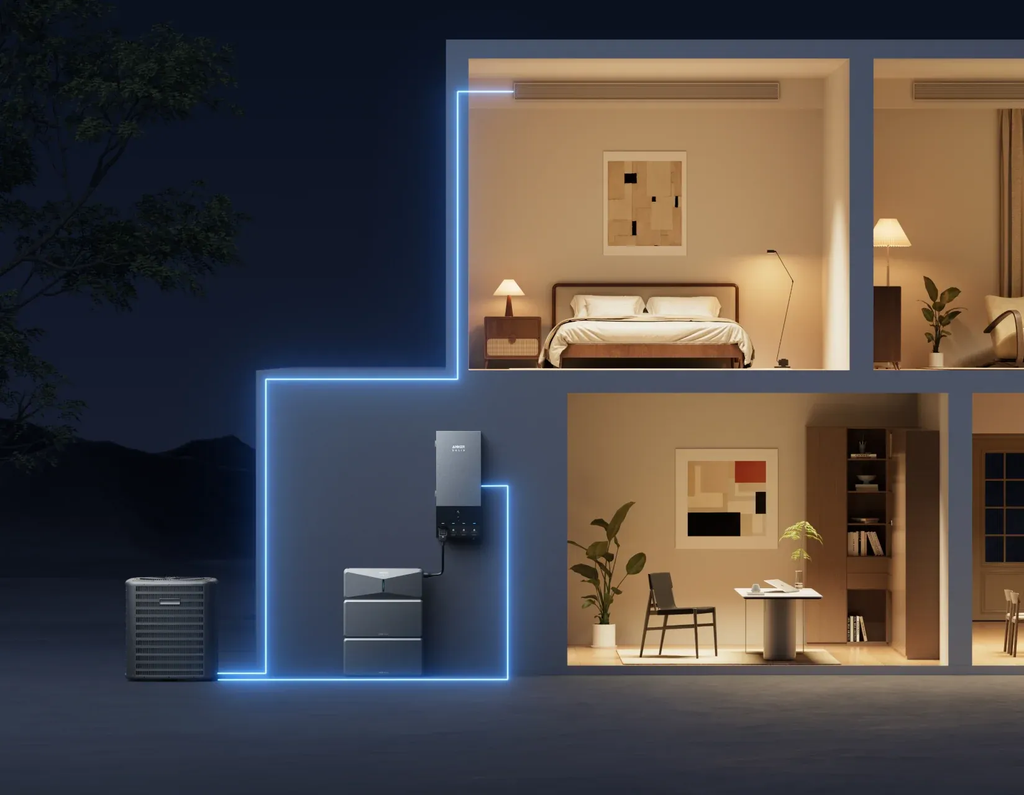
Remote properties need a power plan that remains practical when access becomes difficult. Before choosing equipment, consider freezing temperatures, heavy rain, flooding, heat, snow accumulation, and the availability of service technicians. Check the equipment’s specified operating temperature and enclosure rating rather than assuming every outdoor installation can withstand every condition. Wall or floor mounting may also affect placement, drainage, and access for maintenance. Where continuous power matters, owners should determine which systems need automatic best generator for home backup power and how quickly the selected equipment transfers power after an interruption. The E10 system’s Power Dock specifies a switchover time of 20 milliseconds or less. For longer outages, the E10 also supports solar input and compatible smart-generator charging, creating additional options for replenishing stored energy.
Conclusion
The best generator for a remote vacation home depends on energy demand, seasonal weather, access to fuel, and the time the property spends unoccupied. Fuel generators suit substantial loads and extended operation, solar-plus-battery systems provide stored renewable energy, and hybrid arrangements combine several sources for greater flexibility. Calculate essential loads, estimate the required runtime, and assess local installation conditions before selecting equipment. A carefully sized system keeps essential services available while matching the property’s actual usage patterns.