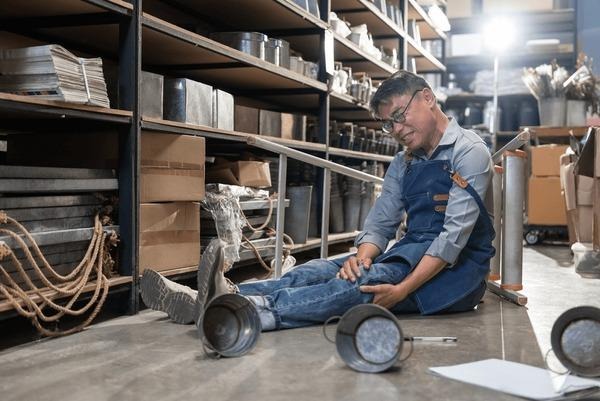

Yes, you may be able to sue a store if merchandise falls from a shelf and injures you. A successful claim generally requires evidence that the store failed to take reasonable steps to keep its premises safe and that this failure contributed to your injury. The store may be responsible if employees stacked products unsafely, ignored a known hazard, or failed to correct a dangerous display. However, liability depends on the circumstances, the available evidence, and the severity of the injury.
Geneva, Illinois, is a city along the Fox River in the Chicago metropolitan area, known for its historic downtown, local shops, and community businesses. Residents and visitors regularly shop at retail stores, supermarkets, and other commercial establishments throughout the area. When a falling product causes an injury, consulting a top-rated Geneva premises liability lawyer may help you understand your legal options and determine what evidence could support a claim.
Stores Must Take Reasonable Steps to Protect Shoppers
Businesses generally have a responsibility to maintain reasonably safe conditions for customers who enter their premises lawfully. This includes organizing merchandise carefully, securing heavy products, monitoring displays, and addressing hazards that could cause foreseeable injuries.
For example, a store may create an unsafe condition by stacking heavy boxes too high, placing products near the edge of a shelf, or allowing merchandise to lean precariously. If an employee notices an unstable display but leaves it unattended, the store may face questions about whether it took reasonable precautions.
Not every falling-item accident automatically makes a store legally responsible. Investigators may examine whether the hazard was foreseeable, whether the store knew or should have known about it, and whether reasonable safety measures could have prevented the incident.
Illinois Law Helps Establish a Store’s Duty of Care
In Illinois, the Premises Liability Act, 740 ILCS 130/2, addresses the duty of care owed by landowners to people who enter their property lawfully. The law generally requires reasonable care under the circumstances rather than relying on the former distinction between invitees and licensees.
In a falling-merchandise case, this legal standard may help determine whether a store acted reasonably in arranging products, inspecting shelves, and responding to reported hazards. The specific facts remain important. A store’s responsibility will depend on the circumstances surrounding the incident and the evidence connecting its conduct to the injury.
Evidence Can Strengthen a Falling-Merchandise Claim
Evidence collected soon after the accident can help explain how the merchandise fell and whether the store may have contributed to the incident. If you are physically able, consider taking the following steps:
- Photograph the shelf, fallen merchandise, surrounding area, and any visible hazards.
- Report the incident to store management and request that an incident report be completed.
- Obtain contact information from witnesses who saw what happened.
- Keep receipts, damaged clothing, and other relevant records.
- Seek medical attention and retain medical reports, bills, and treatment recommendations.
Surveillance footage can be particularly useful because it may show how the display was arranged before the accident or whether employees had an opportunity to address the hazard. However, stores may not retain footage indefinitely, so a prompt request to preserve relevant evidence can be important.
Injuries and Financial Losses May Support Compensation
Falling merchandise can cause injuries ranging from bruises and cuts to fractures, head trauma, and lasting physical limitations. The risk may be especially serious when heavy or bulky products fall from elevated shelves.
Depending on the evidence and applicable law, an injured shopper may seek compensation for reasonable medical expenses, lost wages, reduced future earning capacity, and pain and suffering. The amount available depends on the injury, its effect on daily life, the proof of financial losses, and any applicable rules concerning shared responsibility.
Keep records of medical appointments, missed work, prescription costs, and other expenses connected to the incident. Avoid assuming that an early settlement offer will cover every future expense, particularly if your prognosis remains uncertain.
The Store May Dispute Responsibility
A store or its insurer may argue that the product fell because of another customer’s actions, that employees had no reasonable opportunity to discover the hazard, or that the injured person contributed to the accident. These arguments do not automatically defeat a claim, but they can make evidence especially important.
An attorney can review the incident report, photographs, witness accounts, and available surveillance footage to assess whether the store may have breached its duty of care. Legal guidance can also help identify applicable deadlines and manage communications with the store’s insurer.
Wrapping Up
- You may have a claim if unsafe shelving or poorly arranged merchandise caused your injury.
- Store liability depends on reasonable care, foreseeability, and the evidence surrounding the incident.
- The Illinois Premises Liability Act, 740 ILCS 130/2, provides a relevant legal standard for premises liability cases.
- Photographs, witness details, incident reports, and medical records can support your claim.
- Prompt action can help preserve evidence and protect your ability to pursue compensation.