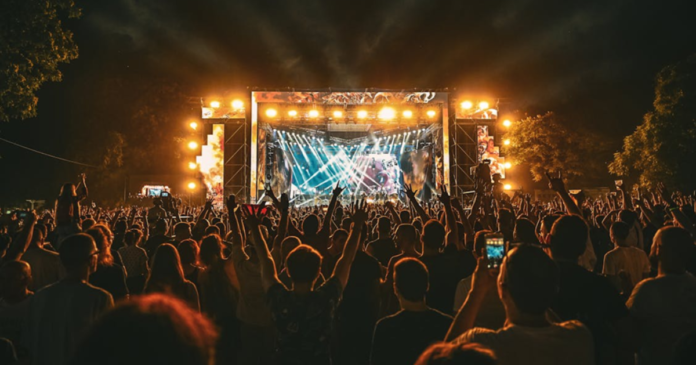

Outdoor music festivals continue to shape the modern entertainment industry because they offer far more than a standard concert experience. Audiences do not simply attend to hear live performances. They come for the atmosphere, the energy of the crowd, and the feeling of being fully immersed in music for hours at a time. Open-air venues create a setting that feels dynamic and memorable from the moment guests arrive. Colorado has become one of the country’s most recognizable destinations for outdoor music events thanks to its mountain landscapes, mild summer climate, and long tradition of hosting live cultural performances.
These natural surroundings give festivals a stronger visual identity while also creating a relaxed environment for audiences. As music fans increasingly look for experiences that feel authentic and emotionally engaging, outdoor festivals continue to attract people across every genre. From large mainstream gatherings to carefully curated orchestral performances, these events prove that location and atmosphere can completely change how audiences connect with live music.
Open-Air Venues Transform the Way Audiences Experience Live Music
Music fans today often expect more than a standard concert inside a crowded arena or formal theater. Many audiences now prefer live events that feel immersive, visually engaging, and connected to the surrounding environment. This shift in audience expectations has encouraged festival organizers to rethink how live music is presented. Outdoor venues have become increasingly popular because they combine atmosphere, scenery, and performance in a way that creates a more memorable experience. As interest in immersive music festivals continues to grow, audiences are paying closer attention to events that deliver exceptional performances in distinctive settings, including the premier classical music festival in Colorado. The festival has gained recognition for presenting world-class music in an atmosphere that feels elegant, welcoming, and accessible to a wide audience.
Open-air venues also influence how audiences respond once the performance begins. Large stages, professional lighting, and carefully planned acoustics create a stronger sense of energy and scale throughout the event. Even smaller performances often feel more engaging outdoors because audiences can move freely and interact more naturally with the atmosphere around them. Festival organizers now place significant focus on sound quality to ensure every performance remains clear and balanced across large outdoor spaces.
Natural Scenery Adds a Visual Dimension to Every Performance
Outdoor music festivals offer a visual experience that indoor venues rarely match. Mountains, forests, lakes, and city skylines create a dramatic backdrop that naturally enhances live performances. As daylight changes throughout the event, the atmosphere shifts with it. Afternoon performances often feel energetic and relaxed, while evening sets become more cinematic under sunset colors and stage lighting.
Natural surroundings also influence how audiences feel during a festival. Many attendees describe outdoor concerts as more calming and emotionally engaging because they can enjoy music without feeling confined to an enclosed space. Fresh air, open landscapes, and scenic views encourage people to stay present and fully enjoy the experience. These details may seem subtle, but together they help create stronger memories and deeper emotional connections with the performances.
Outdoor Music Festivals Build a Strong Sense of Community
Outdoor music festivals bring together people who may come from different backgrounds but share a common interest in live entertainment. The atmosphere encourages conversation, social interaction, and collective excitement throughout the event. Audiences often form connections naturally while waiting for performances, exploring festival grounds, or reacting to memorable moments together.
That shared energy becomes one of the defining qualities of outdoor festivals. Large crowds singing along, cheering for performers, and responding to live music at the same time create a feeling that audiences rarely experience elsewhere. Festival environments also tend to feel more inclusive because attendees can move freely, discover new artists, and participate at their own pace. This sense of openness helps outdoor music festivals remain one of the most engaging forms of entertainment today.
Diverse Festival Lineups Keep the Experience Exciting
Outdoor music festivals continue to attract large audiences because they offer variety in a single setting. Many events feature multiple genres, giving attendees the opportunity to experience different styles of music throughout the day. A festival lineup may include orchestras, indie bands, jazz ensembles, electronic artists, or acoustic performers. This range keeps the experience engaging and encourages audiences to explore performances they may not normally attend.
Curated programming also helps festivals stand out from standard concerts. Organizers carefully arrange schedules to maintain energy and audience interest across the event. Attendees often discover emerging artists alongside internationally recognized performers, which adds excitement and unpredictability to the experience. That balance between familiarity and discovery keeps audiences returning year after year.
Why Outdoor Music Festivals Continue to Thrive Across Generations
Outdoor music festivals have remained popular because they adapt to changing entertainment trends while preserving the appeal of live performance. Younger audiences enjoy the social and cultural atmosphere, while longtime music fans appreciate the opportunity to experience artists in a more open and relaxed setting. Festivals create an environment where different generations can enjoy the same event together. Behind that lasting appeal is an untold story about how outdoor music events continue to connect people through shared experiences and live artistry.
Many festivals also combine modern production with long-standing musical traditions. Some events focus on contemporary chart-topping acts, while others celebrate jazz, folk, or classical music in outdoor settings. This diversity allows festivals to reach wider audiences without losing their identity. As live entertainment continues to evolve, outdoor music festivals remain relevant because they offer experiences that feel personal, immersive, and memorable.
The Multi-Sensory Energy Unique to Outdoor Music Festivals
Outdoor music festivals engage audiences in ways that go beyond sound alone. Lighting effects, large video screens, food vendors, and interactive installations all contribute to the atmosphere. These details help create an environment where attendees stay entertained even between performances. Festival grounds often feel active from morning until late at night, which keeps the energy consistent throughout the event.
Crowd interaction also plays an important role in shaping the experience. Audiences respond collectively to performances through applause, movement, and shared excitement. Combined with outdoor acoustics and natural surroundings, that energy creates stronger emotional engagement than many traditional indoor venues. These sensory details help transform live performances into lasting memories for attendees.
Also Read: 2026 Lexus GX 550: Price,Space & Photo