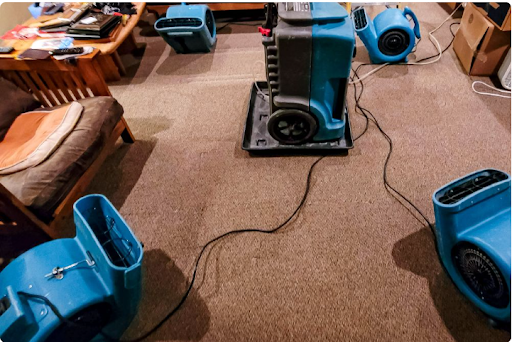

When a fire, burst pipe, or storm damages an older parent’s home, the repairs are only part of the problem.
Your mom or dad may be out of the house they’ve lived in for decades, surrounded by damaged belongings and facing dozens of decisions in a single week.
You don’t have to carry every task yourself.
Contents restoration crews, like the ContentsPros team in Denver, pack, clean, and store belongings after fire or water damage, so the heavy lifting doesn’t land on your parents.
What you can bring is organization, advocacy, and a steady voice. This guide covers how to help, from the first night to moving back in.
The First 48 Hours: Safety, Shelter and Medications
Make Sure the Home Is Safe to Enter
Keep your parent out of the house until the fire department, utility company or a qualified contractor says it’s safe.
If they need something urgent from inside, offer to go in yourself once it’s cleared. Older adults shouldn’t be climbing over debris or wet floors to find a purse.
Find a Comfortable Place to Stay
Check whether their homeowners policy includes additional living expenses. According to the NAIC, this coverage can pay for things like hotel bills and restaurant meals when a covered loss makes the home unlivable.
Some policies set dollar or time limits, so ask the insurer early. And keep every receipt, because the insurer will need them to reimburse those costs.
When choosing a place, think beyond the price. A ground-floor room near their doctor, pharmacy, and friends will make the weeks ahead much easier.
Check Every Medication
Medications are easy to overlook in the chaos. The FDA says medicines exposed to floodwater or possibly contaminated water should be thrown away, even if they’re still in their original containers.
High heat from a fire can also weaken or destroy a medicine’s effectiveness. Call their pharmacist or doctor about replacements right away, and ask how to handle anything critical until new supplies arrive.
Don’t forget glasses, hearing aids, dentures, walkers, and medical equipment. Anything lost or damaged should go on the replacement list and the insurance list.
Take the Lead on the Claim, Without Taking Over
Insurance calls can be overwhelming at any age. Offer to be the organizer, while your parent stays the decision-maker.
- Ask the insurer what it needs before you can discuss the claim on your parent’s behalf.
- Be there for the adjuster visit. Take notes, ask questions, and get the adjuster’s direct contact details.
- Keep a simple call log. Write down the date, the person’s name, and what was agreed for every call.
- Photograph everything before anything is moved or thrown away.
- Hold on to damaged items. The NAIC advises saving damaged items, if possible, so the insurer can inspect them.
A shared folder or notebook keeps everyone on the same page, especially if siblings are helping from out of town.
Watch Out for Repair Scams
Scammers follow disasters, and a stressed, displaced homeowner can be an easy mark. Before anyone signs anything, read the FTC’s guide to avoiding scams after weather emergencies together.
A few of its key points are worth repeating:
- Confirm a contractor’s license and insurance with your state or county government.
- Get a written contract with start and completion dates and a payment schedule.
- Pay by credit card or check, never by wire transfer, gift card, or payment app.
- Be wary of anyone who wants everything paid up front.
- FEMA doesn’t charge application fees, so anyone asking for money to help with FEMA aid is running a scam.
It helps to agree on one simple rule as a family: nobody signs a contract or pays a deposit without a second set of eyes.
Help With Belongings Without Rushing Decisions
For many older adults, belongings carry a lifetime of memories. That’s where the emotional weight of a home loss tends to land.
Resist the urge to clear everything out fast. Damaged items may need to be documented for the claim, and some things that look ruined can be professionally cleaned.
A few ways to make it easier:
- Set aside the irreplaceables first. Photos, letters, heirlooms, and keepsakes deserve their own box and their own conversation.
- Keep familiar things close. A favorite blanket, a framed photo, or their own coffee mug can make a hotel room feel less foreign.
- Break decisions into small batches. Ten choices a day is easier than a hundred in one afternoon.
- Let them say no. If your parents want to keep something you’d toss, that’s their call to make.
Plan the Move Back Home With Safety in Mind
Coming home is a milestone, and it brings its own risks. According to the CDC, falls are the leading cause of injury for adults 65 and older.
A freshly repaired house can hide new hazards: boxes in hallways, rugs in new spots, and furniture that isn’t where it used to be.
Before move-in day, walk through the house together and check:
- Walkways and stairs are clear of boxes and cords.
- Everyday items are back within easy reach.
- Night lights work in hallways, bedrooms, and bathrooms.
- Loose rugs are secured or removed.
- Alarms are installed and tested.
Ask that belongings go back to the same rooms and spots they came from. Familiar placement helps a home feel like home again, and it means fewer surprises in the dark.
Look After the Emotional Side
Losing the rhythm of home can be disorienting at any age. Keeping small routines going, like meals at the same time, a daily walk, or a weekly call with a friend, can help more than you’d expect.
Check in often, even when the to-do list is quiet. If you notice changes in sleep, appetite, or mood that don’t ease, mention them to their doctor.
And look after yourself, too. Share tasks with siblings or friends, and take breaks before you need them.
Recovery Is a Team Effort
Helping an aging parent through home damage is part logistics, part patience, and part protection. Start with safety and medications, take the paperwork off their plate, and keep scammers at a distance.
Most of all, keep your parents at the center of every decision. The house will be repaired, and with the right support, the people inside it can come through stronger.