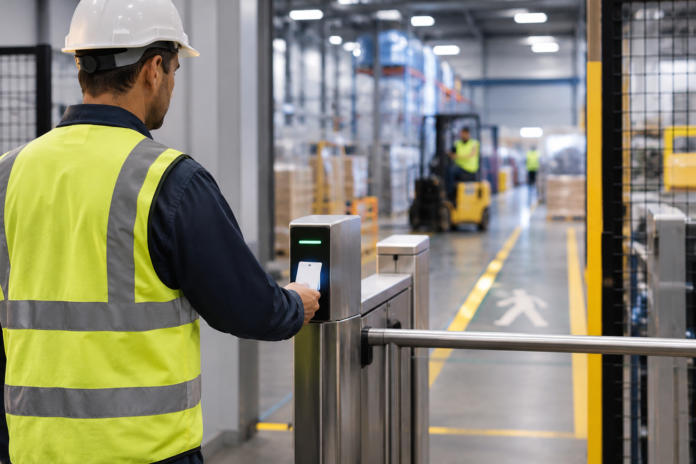

High-traffic workplaces are busy environments where employees, equipment, and vehicles constantly move between different areas. Warehouses, manufacturing facilities, and distribution centers often experience heavy foot traffic alongside machinery operations. Without proper safety measures, these conditions can increase the likelihood of accidents.
Effective access control helps organizations manage movement, restrict entry to hazardous areas, and create safer working environments. By introducing practical safety solutions, businesses can reduce unnecessary risks while maintaining productivity. This is what you need to know.
Why Is Access Control Important for Workplace Safety?
Access control involves managing who can enter specific areas and how employees move throughout a facility. In industrial environments, certain locations may contain moving machinery, elevated platforms, or hazardous equipment.
Without clear boundaries, employees might accidentally enter dangerous zones or cross paths with operating machinery. Proper access control establishes designated routes and separates pedestrian movement from potentially hazardous activities. This organized approach helps employees navigate busy environments confidently while reducing unexpected interactions between people and equipment.
Preventing Accidents in High-Traffic Areas
Busy workplaces often experience accidents because employees must navigate crowded walkways, loading zones, and equipment access points. Installing physical barriers, clearly marked pathways, and controlled entry points can significantly improve workplace organization. For example, safety gates can prevent workers from unintentionally entering restricted areas while allowing authorized personnel to pass when necessary.
Solutions such as Kee Systems self closing safety gates provide an additional layer of protection by automatically returning to a closed position after use. This helps maintain protective boundaries without relying entirely on employees remembering to close gates manually.
Improving Pedestrian and Vehicle Separation
One major concern in high-traffic industrial facilities is the interaction between pedestrians and moving vehicles. Forklifts, pallet trucks, and other equipment frequently operate near employees performing everyday tasks. Poorly defined routes can create dangerous situations, particularly around intersections and loading areas.
Access control measures can establish dedicated pedestrian walkways and designated vehicle routes. Protective barriers, controlled crossing points, and visible signage help workers understand where they should travel. These improvements can reduce confusion and support smoother operations throughout the facility.
Supporting Employee Awareness and Safety Compliance
Physical safety equipment is most effective when combined with employee training and clear workplace procedures. Workers should understand which areas require authorization, how to use safety gates correctly, and why designated routes must remain unobstructed.
Regular safety inspections can also identify damaged barriers, blocked entrances, or access points that require improvement. When employees consistently follow established procedures, access control becomes part of everyday workplace behavior rather than an occasional precaution.
Creating a Safer and More Productive Workplace
Better access control does more than prevent unauthorized entry. It creates predictable movement patterns, reduces unnecessary exposure to hazards, and supports efficient daily operations. Employers should regularly evaluate traffic patterns, identify high-risk locations, and introduce appropriate protective measures.
Combining reliable safety equipment with clear procedures and ongoing employee awareness can help organizations minimize accidents. What this means is that effective access control must be an essential part of maintaining a safer, more organized, and productive high-traffic workplace.