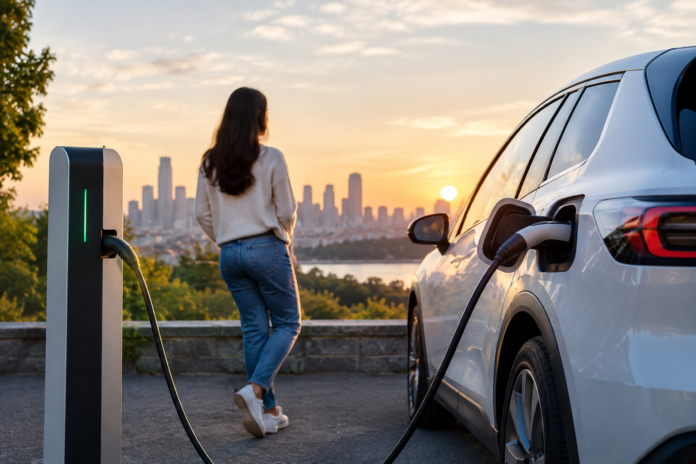

Electric vehicles (EVs) are becoming increasingly popular as drivers look for smarter, more efficient, and environmentally friendly transportation options. With advancements in battery technology, improved driving ranges, and expanding charging infrastructure, switching to an electric vehicle is more appealing than ever. However, purchasing an EV requires careful consideration of several factors to ensure it fits your lifestyle, budget, and driving habits.
What are Your Daily Driving Needs?
Before switching to an electric vehicle, evaluate your daily driving routine. Consider how far you typically travel, whether you frequently take long road trips, and how often you use your vehicle.
Most modern electric vehicles offer sufficient driving range for everyday commuting, shopping, and family activities. However, drivers who regularly travel longer distances should prioritize models with extended battery ranges and convenient fast-charging capabilities.
Understanding your driving habits will help you select an EV that provides the right balance of performance, convenience, and efficiency.
Explore Available Electric Vehicle Options
Choosing the right electric vehicle involves comparing different models, features, and technologies. Factors such as interior space, safety systems, battery capacity, and driving performance can significantly influence your ownership experience.
For drivers researching Honda EVs near me, exploring available models through dealerships can provide valuable insights into vehicle specifications and features. Searching for Honda EVs near me can also help potential buyers discover local inventory, arrange test drives, and compare electric vehicles that match their preferences.
Taking time to explore your options ensures you make a confident and informed purchasing decision.
Consider Charging Accessibility
Charging convenience is one of the most important factors when transitioning to an electric vehicle. Unlike traditional gasoline-powered vehicles, EVs require access to reliable charging stations.
Home charging is often the most convenient solution, allowing drivers to recharge their vehicles overnight. Installing a dedicated home charging station can make daily EV ownership easier and more practical.
If home charging is unavailable, investigate public charging stations near your home, workplace, and frequently traveled routes. Understanding charging speeds, station availability, and potential costs will help you prepare for a smooth transition.
Evaluate the Total Cost of Ownership
Although some electric vehicles have higher initial purchase prices, they may offer long-term financial advantages.
EVs generally require less routine maintenance because they have fewer moving mechanical components than conventional vehicles. Additionally, electricity costs may be lower than gasoline expenses, depending on local energy rates and charging habits.
When comparing vehicles, consider the purchase price, insurance premiums, charging expenses, maintenance requirements, and available government incentives. Evaluating these factors together provides a clearer understanding of overall ownership costs.
Think About Battery Life and Warranty Coverage
Battery performance plays a major role in an electric vehicle’s reliability and long-term value. Before purchasing, review the manufacturer’s battery warranty, expected battery lifespan, and replacement coverage.
Modern EV batteries are designed for extended use, but their performance can gradually decline over time. Understanding battery protection policies and recommended charging practices can help maintain efficiency and provide additional peace of mind.
Take a Test Drive Before Deciding
Driving an electric vehicle can feel different from operating a traditional gasoline-powered car. EVs typically provide instant acceleration, quieter operation, and smooth handling.
A test drive allows you to experience these differences firsthand while evaluating comfort, visibility, technology, and overall performance.
Final Thoughts
Switching to an electric vehicle can offer numerous benefits, including reduced fuel expenses, lower maintenance requirements, and a more enjoyable driving experience. By carefully considering driving range, charging accessibility, ownership costs, and vehicle features, you can choose an electric vehicle that supports your everyday needs and long-term goals.