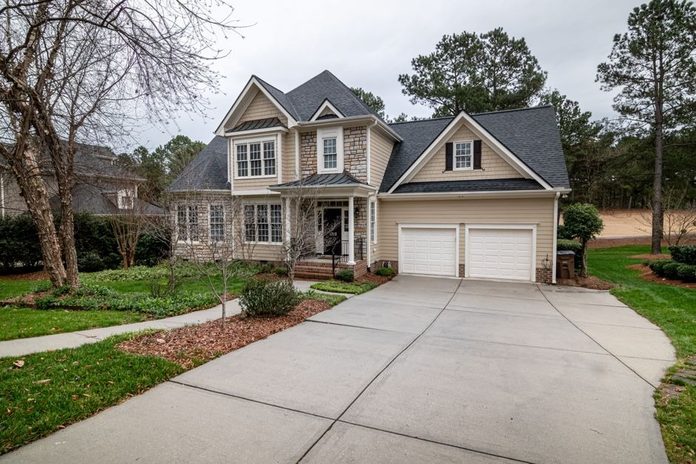

Your driveway does more than give your car a place to sit. It affects curb appeal, drainage, safety, and even how much maintenance your home demands every year. A cracked, uneven slab can quietly turn into a money pit if you keep patching it past its useful life. If you’re trying to figure out whether repair is enough or a full replacement makes more sense, you’re in the right place.
Signs Your Driveway Is Past the Point of a Simple Fix
Small cracks happen. Concrete settles, weather shifts, and time does its thing. The trouble starts when those issues stack up and stop being cosmetic. If your driveway has deep cracks, multiple sunken sections, widespread surface flaking, or drainage problems that leave standing water, repairs often become temporary bandages.
Watch for trip hazards near the garage, edges breaking apart, or areas where weeds are pushing through joints like they pay rent. Those clues usually point to structural wear, not just surface damage. Oil stains alone won’t justify a replacement, but stains combined with crumbling concrete can.
When patch jobs start appearing in several spots, the whole slab may be nearing retirement. At that stage, replacing it can save you from repeating the same fix every season.
Repair vs. Replacement: How to Make the Smarter Call
This decision usually comes down to scope, age, and cost. If damage is isolated to one or two areas and the rest of the driveway is in solid shape, repair can be a practical move. Crack filling, resurfacing, or slab lifting may buy you several more years.
If more than a quarter of the driveway is damaged, replacement tends to make better financial sense. The same goes for driveways with recurring cracks, poor drainage, or uneven settling across several sections. You don’t want to spend money chasing symptoms when the base problem remains untouched.
A good contractor should walk you through both paths honestly. If you’re considering concrete driveway replacement, look for a team that evaluates grading, load requirements, and drainage instead of focusing only on the visible cracks. A clean-looking slab means very little if the foundation underneath is shaky.
Why Driveways Fail Earlier Than Homeowners Expect
A driveway looks tough because it is tough, but it isn’t invincible. A lot of failures trace back to what’s underneath the concrete, not the slab you see from the street. Poor soil prep, weak base material, and bad drainage can create movement that concrete simply can’t tolerate for long.
Freeze-thaw cycles are another major culprit in colder climates. Water slips into cracks, freezes, expands, and turns a small flaw into a bigger problem. Heavy vehicles also speed up damage. If a driveway was poured for basic passenger cars and regularly handles delivery trucks, trailers, or work vans, wear can show up much faster.
Tree roots deserve a dishonorable mention here too. They lift panels, create uneven surfaces, and start fights with everything in their path. Sometimes the concrete loses that fight in dramatic fashion.
What the Replacement Process Usually Looks Like
A proper replacement is more than breaking up old concrete and pouring new material into the same space. First comes demolition and removal of the existing slab. Then the base gets inspected, regraded, and compacted so the new driveway has a stable foundation.
Next, forms are set, reinforcement may be added, and the concrete is poured and finished. Control joints are cut to help manage cracking, because concrete will crack at some point. The goal is controlling where it happens, not pretending it won’t. After that, curing begins. This stage matters more than many homeowners realize.
You may be able to walk on the new driveway within a day or two, but driving on it often requires a longer wait. Rushing that timeline is a great way to test your patience and your contractor’s blood pressure.
Materials, Finishes, and Design Choices That Matter
Not every concrete driveway has to look like a blank gray rectangle. If you’re replacing an old slab, it’s a good time to think about width, layout, texture, and appearance. Broom finishes remain popular because they offer traction and a clean, classic look. Exposed aggregate adds texture and visual interest. Stamped concrete can mimic stone or pavers, though it often comes at a higher cost.
Thickness matters too. A standard residential driveway may be fine at four inches, but heavier vehicles can require more. Reinforcement, edge support, and proper joint spacing also affect long-term performance.
Think about real life when choosing finishes. A sleek decorative surface may look amazing in photos, but if it gets slippery in rain or shows every stain, the romance fades fast. Design should work hard, not just look expensive.
Questions to Ask Before Hiring a Contractor
You don’t need to become a concrete expert overnight, but you do need to ask smart questions. Start with the basics:
– How will the base be prepared and compacted?
– What thickness do you recommend for my driveway?
– Will reinforcement be used?
– How will drainage be handled?
– What is the curing timeline before vehicle use?
– Is cleanup and debris removal included?
– Do you offer a warranty on workmanship?
Also ask for photos of recent driveway projects, not just generic portfolio shots that could belong to anyone with a camera roll and ambition. Reviews help, but specifics help more. A contractor who explains the process clearly and talks about grading, expansion joints, and site conditions usually brings more value than someone who only talks price.
The cheapest bid can become the most expensive lesson on your property.
How to Protect Your New Driveway After Installation
A new driveway still needs some care if you want it to last. Sealing may be recommended depending on the finish, climate, and local conditions. It won’t make the slab indestructible, but it can help reduce moisture intrusion and surface wear.
Keep deicing chemicals in check during the first winter, especially harsh products that can damage young concrete. Clean oil drips early, avoid parking extremely heavy equipment unless the slab was built for it, and pay attention to drainage around the edges.
Try not to treat the driveway like a landfill annex. Dumpsters, loaded trailers, and repeated impact in the same spot can shorten its lifespan. Even a well-installed driveway performs best when it isn’t constantly being pushed past its design.
A quick seasonal inspection for cracks, pooling water, or edge erosion can catch problems before they grow into costly repairs.
A Replacement Can Improve More Than Appearance
Home projects often get framed around looks, but driveway replacement has practical benefits that matter every day. A smooth, level surface is safer to walk on, easier to shovel, and less likely to collect water near your garage or foundation. It also helps your home look cared for, which matters whether you plan to stay for years or sell in the near future.
The best results come from treating the project like an upgrade in function, not just a cosmetic refresh. If your current driveway is crumbling, sinking, or demanding endless patchwork, a well-planned replacement can reset the clock and remove a surprising amount of hassle from daily life.
A driveway should support your routine, not sabotage it one crack at a time.