
Global trade in 2026 is getting more expensive fast.
The WTO reports a substantial increase in global tariffs, affecting imports worth USD 2,640 billion, 11.1% of total global imports. The WTO has also revised its global merchandise trade growth forecast for 2026 down to just 0.5%, citing increased tariff barriers, trade policy uncertainty, and slowing GDP growth in developed economies.
For Indian manufacturers, this creates a direct cost problem. Higher tariffs on imported capital goods and components raise production costs. Higher production costs squeeze margins. And squeezed margins make competing in global markets harder exactly when you need every cost advantage available.
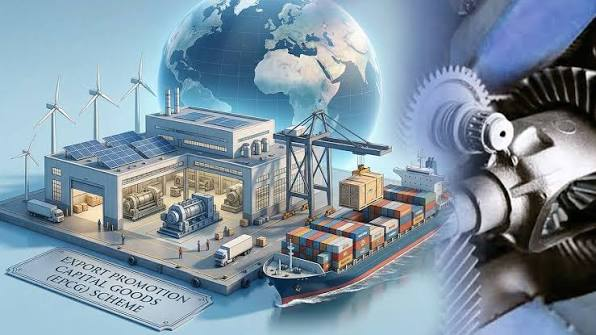
Here’s what most manufacturers don’t use aggressively enough: the EPCG Scheme Export Promotion Capital Goods, which allows you to import the machinery, equipment, and technology you need to upgrade production at zero customs duty.
When tariffs are rising everywhere else, the EPCG Scheme keeps your capital expenditure protected.
In this blog, you’ll understand exactly how rising global tariffs are hitting Indian manufacturers, how the EPCG Scheme directly offsets that cost pressure, which sectors benefit most, how the numbers actually work, and why working with expert EPCG Consultants is the difference between claiming the full benefit and leaving money on the table.
The Tariff Reality Indian Manufacturers Are Facing in 2026
Let’s be specific about what’s happening because the numbers are significant.
The Trump administration imposed steep tariffs of up to 50% on Indian shipments in 2025. India’s exports fell 11.8% year-over-year in October 2025, with shipments to the US declining as textiles, gems, and engineering goods took the hit.
Higher tariffs on imported parts are leading to higher production costs and delays in the manufacturing process, particularly in the automotive industry, which depends on global supply chains for raw materials and components.
The WTO reported a substantial increase in global tariffs affecting imports worth USD 2,640 billion, 11.1% of total global imports. Higher tariffs are making Indian goods costlier in sectors like textiles, engineering, and chemicals.
The pressure is on. And it’s hitting manufacturers from both sides: rising input and machinery costs on the import side, and shrinking export revenue on the other.
The EPCG Scheme addresses the import cost side directly.
What the EPCG Scheme Does and Why It Matters Right Now
The EPCG Scheme allows Indian manufacturers to import capital goods, machinery, equipment, spare parts, tools, moulds, dies, jigs, and fixtures at zero customs duty. For pre-production, production, and post-production use.
Zero. Not reduced. Zero.
For a manufacturer importing production machinery worth ₹5 crore, customs duty typically runs between 18% and 28% of the landed cost. That’s ₹90 lakh to ₹1.4 crore in savings on a single import. Redirected into working capital, expansion, or price competitiveness in export markets.
The scheme covers both new and second-hand capital goods with no age restriction on second-hand equipment. It covers a wide range of manufacturing sectors: engineering, textiles, pharma, electronics, food processing, EVs, chemicals, and more.
In exchange, the manufacturer commits to an export obligation of six times the duty saved, fulfilled within six years of the authorisation date.
Six years to export six times the duty saved. For a manufacturer already exporting or planning to, that’s a manageable commitment in exchange for a significant upfront capital saving.
Which Sectors Are Using EPCG Most Effectively in 2026
Electronics exports rose by nearly 39% in November 2025, fuelled by foreign direct investment and integration into global value chains. Engineering goods, pharmaceuticals, and automotive exports continue to bolster momentum.
These are exactly the sectors most actively leveraging the EPCG Scheme and benefiting most from it.
Electronics and EV manufacturers’ battery assembly lines, precision electronics equipment, and EV drivetrain machinery carry high import duty loads. Zero-duty capital imports directly improve unit economics in a globally competitive segment.
Engineering and capital goods exporters: CNC machines, lathes, presses, and testing equipment form the backbone of India’s engineering export capability. EPCG reduces the cost of upgrading that backbone.
Pharmaceutical manufacturers’ API synthesis equipment, formulation lines, and quality control machinery are expensive to import. Pharma is one of India’s strongest export categories, and EPCG directly supports the manufacturing infrastructure behind it.
Textile and apparel manufacturers: shuttle-less looms, knitting machines, finishing equipment. Textile and apparel exporters are among the most active users of the EPCG Scheme, particularly for upgrading to higher-quality production capability.
Food processing exporters: processing lines, packaging machinery, cold chain equipment. As India’s agri-export ambitions grow, EPCG supports the capital infrastructure behind them.
The Compliance Requirements: What You Must Get Right
The EPCG Scheme is powerful. The compliance obligations are real and time-bound.
- Export obligation: Six times the duty saved, fulfilled within six years of authorisation.
- Block-wise obligation: The EO must be met in two blocks, 50% in the first four years and the remaining 50% in years five and six. Missing a block triggers composition penalties.
- Installation certificate: Capital goods must be installed at the approved location within the prescribed timeline. A Chartered Engineer must certify the installation. No CE certification: the process stalls.
- Annual returns: Filed with DGFT every year. Not optional. Missed annual returns block EODC closure.
- EODC filing: Export Obligation Discharge Certificate must be applied for once the EO is fulfilled. Without EODC, your bank guarantee at Customs stays locked indefinitely.
Penalties for non-compliance include repayment of the entire duty saved plus 18% compounding interest. For a ₹2 crore duty saving, that liability can grow significantly over six years if compliance is neglected.
The scheme rewards exporters who manage it with precision. It penalises those who don’t.
Why Expert EPCG Consultants Make the Financial Difference
Most manufacturers can file a basic EPCG application. Where expert guidance changes the outcome is in everything that comes after.
Working with experienced EPCG Consultants like DGFT Guru means your nexus certificate correctly links capital goods to your specific export products. It means block-wise obligation tracking is managed proactively, not scrambled at the deadline.
It means deficiency letters are resolved fast. And it means EODC closure happens cleanly, so your bank guarantee is released promptly and your compliance record stays clean for future applications.
DGFT Guru has resolved 7,000+ cases across 1,000+ clients since 1985, including frozen, highly complicated EPCG cases that other agencies refuse to take on. Their in-house Chartered Engineers, FEMA experts, and dual-review application process ensure your scheme works as intended from day one to final closure.
In a tariff environment where every cost advantage matters, the EPCG Scheme is one of the most financially significant tools available to Indian manufacturers. Using it with the right expert support ensures you extract its full value without compliance risk.
Conclusion
Global tariffs are rising. Capital goods imports are getting more expensive. And the pressure on Indian manufacturers to upgrade technology, compete globally, and protect margins is only increasing.
The EPCG Scheme doesn’t eliminate global tariff pressure. But it removes one major cost entirely, i.e., customs duty on the capital machinery you need to compete. For manufacturers investing in production upgrades, technology modernisation, or capacity expansion, that’s not a marginal saving. It’s a strategic capital advantage.
Use the scheme. Use it correctly. And work with consultants who treat compliance as protection for the savings you’ve already earned.