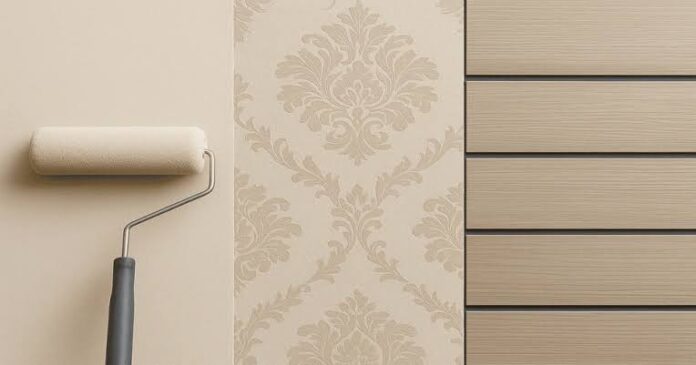

If you’re trying to add some visual interest to a room without repainting every wall a bold color, you’ve probably landed on two main options: texture paint or wallpaper. Both can transform a flat, plain wall into something with real personality, but they behave very differently once they’re actually living in your home. If longevity is a deciding factor for you, here’s how the two really compare.
Durability Over Time
Texture paint is applied directly onto the wall surface and, once cured, becomes part of the wall itself. It doesn’t peel at the edges, curl away from corners, or bubble up from trapped moisture the way wallpaper sometimes does. A well-applied texture finish can realistically last for many years with minimal upkeep, especially in rooms that aren’t exposed to constant humidity or heavy handling.
Wallpaper, on the other hand, is more vulnerable to physical wear. Seams can start lifting over time, especially in humid climates, and it’s more prone to tearing, scuffing, or staining if it takes a direct hit. High quality vinyl wallpapers hold up reasonably well, but even the better options tend to show their age faster than a solid textured wall finish, particularly in high traffic areas like hallways or living rooms.
Moisture and Climate Resistance
This is where the gap becomes more noticeable, especially in places with humid summers or monsoon seasons. Wallpaper adhesive can weaken in damp conditions, leading to peeling seams or bubbling patches that are hard to fix without redoing the whole section. Texture paint, being a cured coating rather than a glued material, tends to handle humidity and temperature swings with far less drama.
That said, not all texture paint is created equal here either. Some water based interior formulations aren’t designed for damp-prone areas, so it’s worth checking whether a specific product is rated for humid environments before assuming every textured finish will perform the same way.
Maintenance and Cleaning
Cleaning a textured wall is usually straightforward: a soft brush or a lightly damp cloth handles most dust and light marks, depending on the finish. Wallpaper cleaning is more finish-dependent. Some vinyl wallpapers can be wiped down, but many paper-based or fabric-backed options can’t handle moisture at all, which limits how you can maintain them over the years without risking damage.
Cost of Redoing or Updating
Here’s where wallpaper sometimes has the edge, depending on your goals. Swapping out wallpaper for a new pattern is generally a faster job than reworking a textured wall, since texture paint often needs to be sanded down, skimmed, or otherwise prepped before a fresh finish can go on top. If you like to change up your interior style every few years, that’s worth factoring in.
But if your plan is to pick a finish and live with it for a long time, texture paint tends to be the more cost effective option overall, since you’re not budgeting for replacement or touch-ups nearly as often.
Which One Should You Choose?
If long-term durability is your main priority, especially in a humid climate or a high traffic room, texture paint is generally the safer bet. It holds up to daily wear better, doesn’t rely on adhesive that can fail over time, and tends to need less frequent redoing. Wallpaper still has its place, particularly if you enjoy switching up your decor more often or want a very specific pattern that texture paint simply can’t replicate, but it does come with more maintenance considerations over the years.
For anyone specifically comparing textured wall finishes, it’s worth looking at the range of options available before deciding on a style. Visit this website to see one example of a textured finish built for long-term durability on interior and exterior walls.
Whichever direction you go, it helps to think beyond just the initial look and consider how the wall will hold up five or ten years down the line, since that’s usually where the real difference between these two options shows up. Brands like Nippon Paint offer a range of finishes worth comparing if you’re still weighing your options.