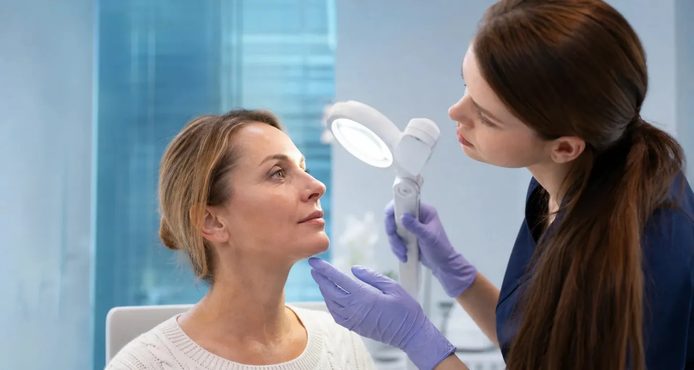

Interest in regenerative aesthetics has grown as people look for treatments that may support skin quality, texture, and appearance. However, the term “stem-cell facial treatment” can refer to very different procedures, products, and biological materials, which makes careful evaluation important.
People researching stem cell facial rejuvenation malaysia should first understand exactly what is being offered. A responsible consultation should explain the treatment components, expected benefits, limitations, possible side effects, and the evidence supporting the specific approach.
Understand What “Stem Cell Facial” Means
The phrase can be used loosely in cosmetic marketing. Some treatments may involve stem-cell-derived products, growth factors, conditioned media, or other regenerative materials rather than living stem cells themselves.
Patients should ask what substance is actually being used and how it is produced. Clear terminology matters because different products should not be treated as though they have the same evidence or biological effect.
Start With a Skin Assessment
A facial treatment should be based on the patient’s actual concerns. Fine lines, uneven texture, pigmentation, dryness, acne scarring, and skin laxity are different problems and may need different approaches.
A clinician should assess skin condition, medical history, previous cosmetic procedures, allergies, and current skincare before recommending treatment. This helps avoid using a regenerative product when another option may be more appropriate.
Ask What Improvement Is Realistic
People often seek regenerative treatments hoping for younger-looking skin, but results should be described carefully. Improvements, if they occur, may relate to texture, hydration, or overall appearance rather than dramatic transformation.
Patients should be cautious about claims of permanent rejuvenation or guaranteed age reversal. Cosmetic outcomes are influenced by age, genetics, sun exposure, skincare, and other lifestyle factors.
Know How the Treatment Is Delivered
A stem cell skin treatment malaysia may be administered in different ways depending on the product and clinic protocol. Some approaches may involve injection, topical application, or combination with other procedures.
The clinician should explain the delivery method, how the material is prepared, and what aftercare is required. Patients should also understand whether the treatment is performed in a medical setting and who supervises it.
Ask About the Source and Processing
If the treatment involves biological material, patients should ask where it comes from and how it is processed. Quality control and sterility are especially important when products are injected or introduced through the skin.
Vague statements such as “premium stem cells” or “advanced regenerative formula” are not enough. Patients should request specific information about the product being used.
Compare With Established Cosmetic Options
Regenerative facial treatment is only one possible approach to skin ageing or texture concerns. Other options may include topical skincare, chemical peels, laser procedures, microneedling, injectables, or other medical aesthetic treatments.
The best option depends on the problem being treated. A responsible provider should explain why one approach may be more appropriate than another rather than presenting stem-cell-based treatment as automatically superior.
Understand Possible Side Effects
Any cosmetic procedure can cause unwanted effects. These may include redness, swelling, bruising, irritation, discomfort, or infection depending on the method used.
Patients should ask how long recovery may take and which symptoms require medical attention. They should also understand whether repeat treatments are likely to be recommended.
Do Not Rely Only on Before-and-After Photos
Images can make cosmetic results look impressive, but lighting, camera angle, makeup, facial expression, and editing can all influence appearance.
Patients should consider photographs alongside clinical information rather than using them as the main evidence. A proper consultation should focus on realistic expectations and measurable changes.
Ask How Results Will Be Evaluated
Cosmetic improvement can be subjective, so it helps to agree on what the treatment is trying to change. Standardised photographs, skin assessments, and follow-up reviews may make results easier to compare.
The clinician should also explain how long any improvement may last and whether maintenance treatments are expected. These details affect both expectations and overall cost.
Protect Skin Health Between Treatments
No facial procedure can replace basic skin care. Sun protection, gentle cleansing, suitable moisturisers, and managing chronic skin conditions can all influence long-term appearance.
Patients should continue evidence-based skincare even if they undergo regenerative treatment. A procedure should complement good skin care rather than substitute for it.
Conclusion
Stem-cell and regenerative facial treatments are an emerging area of cosmetic medicine, but the terminology can be confusing, and the evidence may vary between products and techniques. Patients should understand exactly what is being offered before agreeing to treatment.
A careful decision should consider the treatment source, delivery method, expected benefits, risks, alternatives, and follow-up plan. Realistic expectations are essential, especially when a procedure is promoted as rejuvenating or anti-ageing.