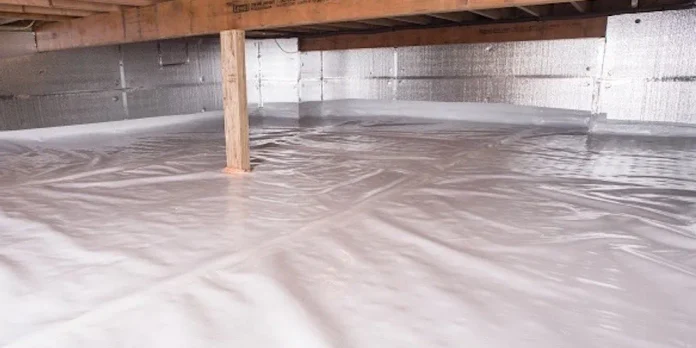

Coastal North Carolina gives homes a difficult combination of high humidity, heavy rain, and a shallow water table. In Wilmington, the right waterproofing solution depends on where the moisture actually comes from. Standing water after a nor’easter, condensation dripping from ductwork in July, and musty odors in early spring can point to different causes that require different solutions. This article shows homeowners how to recognize the signs inside a crawl space and match them with practical measures such as drainage, sump pumps, vapor barriers, and dehumidification. The goal is to solve the root problem rather than add components that do not work together.
- What Wilmington Crawl Spaces Reveal: Visible Moisture Clues
Look for patterns, not just puddles. A white, powdery crust called efflorescence on block walls often shows where water evaporated, leaving behind mineral salts. Rust rings on duct straps, drip marks on polyethylene sheeting, and mold spotting on floor joists may indicate that warm, salty summer air is condensing on cooler metal and wood surfaces. Cupped hardwood floors above a crawl space, musty odors after rain, and swollen door frames can indicate consistently high relative humidity below the home. A simple hygrometer placed near the sill plate can confirm whether crawl space air stays above about 60 percent relative humidity, a level where mold can grow more easily. For useful diagrams of sump layouts and encapsulation details, many homeowners refer to resources such as https://www.impactcrawlspace.com/ when preparing questions for a site visit.
- Groundwater, Runoff, or Humid Air: Identifying the Source
Moisture problems usually come from one of three sources. Groundwater can push through block joints and rise through soil under hydrostatic pressure. This is common after several days of rain or a tropical storm and may leave a consistent damp line near the footing. Surface runoff can enter when gutters overflow, downspouts discharge near the foundation, or surrounding soil slopes toward the house. Signs may include wet bands on interior walls that appear after heavier storms. Airborne moisture can enter through open crawl space vents and poorly sealed access doors. When humid summer air reaches cool ducts or the underside of the floor, condensation can form and begin dripping. The timing of the problem provides important clues. If moisture increases after rain driven by strong winds, begin your inspection outdoors. If summer humidity and condensation are the primary concerns, focus on sealing the crawl space and controlling moisture in the air.
- Pairing Solutions With Sources: Drains, Pumps, Liners, and Drying
For groundwater problems, an interior French drain installed along the footing and connected to a sump basin is often effective. Position the trench at or below the base of the wall and fill it with filter fabric, perforated pipe, and clean stone to capture rising water before it reaches the center of the crawl space. The sump pump should sit in a durable basin with a secure lid, reliable float-switch protection, and a check valve that prevents water from flowing backward. The discharge line should carry water well away from the foundation and maintain enough slope to prevent standing water inside the pipe.
When moisture rising from damp soil is the main concern, a reinforced vapor barrier between 15 and 20 mil thick can reduce evaporation into the crawl space. Carefully tape seams, and seal the material around piers and other penetrations. Closed vents and a properly insulated and sealed band joist help prevent humid outdoor air from continually entering the space. A crawl space dehumidifier sized for the area’s volume and positioned to provide good air circulation can then manage remaining moisture and maintain a stable relative humidity level.
Two Wilmington scenarios show how these components can work together. In a low-lying home near a tidal marsh that experiences periodic standing water after storms, a perimeter drain connected to a sump pump with battery backup can help relieve hydrostatic pressure. Wrapping piers, sealing vents, and installing a durable liner can prevent soil moisture from migrating upward once standing water is under control. In an older bungalow with no visible standing water but a crawl space that consistently remains near 70 percent relative humidity, the better sequence may be to seal the access door and band joist, cover the vents, install a 15 to 20 mil liner with sealed seams, and add a crawl space dehumidifier with a condensate pump. Both situations also benefit from improvements outside the home. Clean gutters and downspout extensions that carry water 6 to 10 feet away can prevent roof runoff from returning to the foundation.
- Avoidable Mistakes in Coastal Waterproofing
Several common mistakes can keep Wilmington crawl spaces damp. Placing a thin 6 mil plastic sheet loosely across the soil without sealing the seams or wrapping the piers creates multiple pathways for water vapor. It makes the material more vulnerable to punctures during maintenance. Installing a sump pump without a check valve or allowing the discharge line to empty onto a splash block close to the foundation may allow water to return to the crawl space or saturate the soil beside the house.
Leaving vents open year-round can also introduce humid summer air that condenses on ducts and the underside of the floor. This moisture may contribute to mold growth on joists and subfloor insulation. Another common mistake is not sealing the band joist. Even with a vapor barrier in place, humid air can enter around the edges unless you properly seal the rim area with suitable foam, rigid insulation, or mastic. Treating individual symptoms instead of addressing the entire moisture system can also create problems. Drainage without a proper discharge plan or a dehumidifier operating inside a leaking, vented crawl space can waste energy while doing little to improve overall conditions.
Storm Season Maintenance for Encapsulated Crawl Spaces
Once the necessary systems are installed, a simple maintenance routine can keep them prepared for summer thunderstorms and fall coastal storms. Before the wet season begins, pour water into the sump basin to confirm that the pump, float switch, and alarm operate correctly. Inspect the battery backup system as well if one is installed. Walk along the discharge line and make sure it maintains a proper slope and releases water a safe distance from the foundation.
Clean or replace dehumidifier filters and confirm that the condensate pump operates freely. Inspect the vapor barrier for punctures around piers and other access points, and reseal any seams that have started to lift. Keep gutters clear and make sure downspouts extend beyond planting beds and other areas where water could collect near the foundation. A small digital hygrometer makes ongoing monitoring simple. If relative humidity begins to rise, inspect the access door and band joist for new air leaks and check whether the dehumidifier has lost power or tripped a breaker.
In a coastal city such as Wilmington, lasting waterproofing depends on matching the solution to the moisture source and ensuring that every component works as part of a complete system. Moisture patterns help narrow down the cause. A perimeter drain and sump pump can manage groundwater, while improved gutters and grading can direct surface runoff away from the home. A sealed and insulated crawl space with a reinforced liner and dehumidifier can control moisture carried by humid air. In Wilmington’s climate, a properly sealed crawl space often provides better moisture control than a vented design. Still, successful installation requires careful sealing, durable materials, and a reliable water discharge plan. With proper diagnosis and regular maintenance, a crawl space can remain much drier through humid summers and stormy coastal weather.
<iframe src=”https://www.google.com/maps/embed?pb=!1m18!1m12!1m3!1d1615764.8656137392!2d-77.74390550000001!3d35.04746195!2m3!1f0!2f0!3f0!3m2!1i1024!2i768!4f13.1!3m3!1m2!1s0x89a95d7d8f7d066b%3A0x31bea6fb3feb4b06!2sImpact%20Crawlspace!5e1!3m2!1sen!2sph!4v1789574150551!5m2!1sen!2sph” width=”600″ height=”450″ style=”border:0;” allowfullscreen=”” loading=”lazy” referrerpolicy=”strict-origin-when-cross-origin”></iframe>