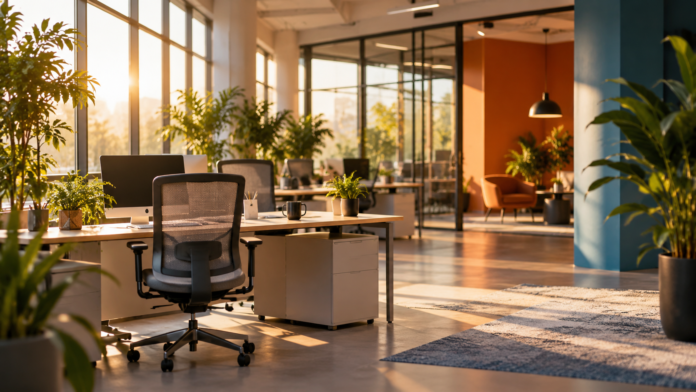

The physical environment of a workplace directly impacts employee mood, cognitive performance, and daily productivity. Thoughtful interior choices transform standard corporate spaces into energizing hubs where teams thrive and collaborate naturally. By understanding how color palettes, lighting schemes, and functional layouts interact, organizations can design work environments that support physical well-being, foster creativity, and drive sustainable success.
The Psychological Impact of Color in the Workplace
Color is a powerful visual tool that influences psychological states, energy levels, and focus within a workplace. Selecting the right color palette goes beyond aesthetic appeal; it establishes the emotional tone for distinct working zones. Warm hues like soft yellows and gentle oranges inspire creative thinking and enthusiastic interaction, making them ideal for collaborative brainstorming rooms and social break lounges.
Conversely, cooler tones such as calm blues and muted greens promote tranquil concentration, stress reduction, and clear analytical thinking. Incorporating these shades into deep focus rooms or individual task areas helps workers process complex information without feeling overwhelmed. Neutral backgrounds paired with vibrant accent walls create visual balance, preventing eye fatigue while maintaining an engaging visual atmosphere across the floor plan.
Strategic color distribution allows companies to guide behavior and spatial purpose naturally throughout the building. Utilizing soft earth tones in wellness rooms signals rest, while bold branding colors in reception areas project confidence and corporate stability to visiting clients. Harmonizing color psychology with functional layout needs builds a balanced visual environment that enhances daily job satisfaction.
Illuminating Focus: Harnessing Light for Health and Output
Lighting serves as a primary driver of human alertness, visual comfort, and natural circadian rhythms throughout the workday. Harsh, flickering overhead lights cause eye strain, frequent headaches, and physical fatigue, leading to diminished concentration. Maximize natural sunlight exposure by positioning workstations near large windows, which significantly enhances mood, cognitive speed, and overall energy levels.
When natural daylight is insufficient, implementing layered artificial lighting offers balanced visual support across all tasks. Combining soft ambient lighting with adjustable personal task lamps enables workers to customize their illumination based on specific activities and personal preferences. Dimmable LED systems that mirror natural daylight transitions help maintain steady energy levels, eliminating afternoon sluggishness.
Acoustics and lighting often work together to define spatial comfort across open layouts. Diffused, warm lighting in break areas encourages relaxation, whereas bright, focused illumination in conference rooms maintains active engagement during long strategy sessions. Investing in intelligent, energy-efficient lighting infrastructure supports health, lowers operational costs, and elevates daily operational output.
Balancing Color and Light to Prevent Visual Fatigue
Light exposure directly alters how human eyes perceive room color and depth across different times of the day. Warm lighting softens deep blues and greens, creating cozy, inviting atmospheres in communal meeting areas. High-intensity cool lighting sharpens neutral tones, maintaining high alertness in technical task areas and assembly spaces.
Avoiding high-contrast lighting glares on computer screens protects long-term vision and prevents physical fatigue during extended typing tasks. Utilizing anti-glare window shades alongside matte wall finishes diffuses harsh sun rays evenly. Balanced light distribution across colored surfaces ensures a comfortable visual environment that supports sustained focus.
Enhancing Mood with Dynamic Daylight Controls
Integrating automated window blinds and smart light sensors optimizes indoor illumination automatically as outdoor conditions shift. Automated systems adjust internal light levels seamlessly, maintaining consistent room brightness without requiring manual intervention from busy staff members.
Consistent illumination prevents sudden visual adjustments that disrupt workflow and cause eye strain. Providing steady, naturalistic light throughout changing seasons supports emotional stability, keeps team morale high, and maintains continuous productivity year-round.
The Ergonomic Advantage: Furniture for Health and Efficiency
Supportive interior design centers around human-centered physical comfort, where physical equipment adapts to human physiology rather than forcing unnatural posture. Outfitting an environment with high-performance office furniture in Las Vegas reduces physical strain, prevents chronic back pain, and protects long-term employee health. When physical discomfort vanishes, focus shifts entirely toward creative problem-solving and task completion.
Select height-adjustable standing desks, supportive task chairs with lumbar adjustments, and flexible monitor arms to encourage dynamic movement throughout the day. Alternating between sitting and standing postures improves blood circulation, boosts energy levels, and reduces physical lethargy. Providing varied seating options—ranging from supportive desk chairs to ergonomic lounge seating—caters to diverse working styles and tasks.
Extending ergonomic principles into collaborative hubs ensures that group meetings remain comfortable and productive. High-top conference tables paired with supportive stools keep short stand-up meetings energetic and concise. Investing in durable, highly adjustable furnishings demonstrates genuine organizational care, building workforce loyalty while safeguarding daily output across all departments.
Supporting Diverse Work Styles with Modular Furnishings
Modern workplaces require flexible physical setups that adjust effortlessly as team structures and daily tasks evolve over time. Lightweight modular desks, mobile filing units, and reconfigurable partitions allow managers to reorganize department layouts without requiring structural renovations.
Flexible furnishings empower teams to customize their immediate environments for special collaborative workshops or quiet focus sessions. Adaptable physical layouts maximize spatial efficiency, ensuring every square foot actively supports organizational goals and evolving workflow requirements.
Creating Comfortable Break Areas for Genuine Reset
Physical rest is vital for maintaining high cognitive performance and avoiding burnout during demanding work weeks. Outfitting break rooms with plush lounge sofas, relaxed dining seating, and warm lighting creates a clear physical distinction between active work and genuine downtime.
Encouragement to step away from screens during lunch restores mental clarity and reduces afternoon fatigue. Providing comfortable communal spaces fosters organic social interaction, strengthens team bonds, and refreshes mental capacity for upcoming afternoon tasks.
Cultivating Culture and Inclusivity Through Interior Choices
Physical space acts as a continuous visual reflection of an organization’s core values, mission, and unique workplace culture. Thoughtful interior choices communicate openness, innovation, and respect, transforming standard commercial offices into inspiring corporate homes. Integrating brand color accents, team achievement displays, and mission graphics builds a strong sense of shared purpose among employees.
Inclusive workplace design ensures that the physical environment welcomes and accommodates individuals of all physical capabilities and neurodivergent traits. Providing barrier-free walkways, accessible desk heights, and quiet sensory-friendly rooms demonstrates empathy and respect for personal needs. Thoughtful spatial planning removes physical obstacles, allowing every team member to contribute their best work comfortably.
Designing communal spaces that encourage casual interactions strengthens cross-departmental communication and sparks spontaneous creative ideas. Central kitchen hubs, comfortable coffee bars, and open lounge areas invite team members to connect informally across hierarchy levels. A positive, inclusive social environment built through intentional interior design elevates employee retention and drives sustainable business growth.
Integrating Biophilic Elements for Natural Calm
Incorporating natural elements—such as potted greenery, living plant walls, natural wood finishes, and stone textures—brings calming outdoor qualities inside. Biophilic design reduces stress levels, purifies indoor air, and enhances creative problem-solving capabilities across all departments.
Visual exposure to natural textures softens industrial corporate spaces, creating a warm, welcoming visual aesthetic. Plants absorb ambient noise, balance humidity levels, and improve air quality, making the physical workplace a far healthier and more enjoyable place to spend time.
Designing Acoustic Privacy in Open Space Layouts
Open-plan layouts foster communication, but uncontrolled noise levels frequently disrupt concentration and cause mental fatigue. Integrating acoustic wall panels, sound-absorbing ceiling tiles, and dense carpeting dampens sound reflections effectively across busy floors.
Providing soundproof phone booths and small private focus nooks gives workers immediate options for confidential calls or deep analytical work. Balanced acoustic design maintains vibrant collaboration without sacrificing individual privacy or focus requirements.
Conclusion
Color, lighting, and supportive furniture choices are fundamental elements that shape physical comfort, emotional well-being, and daily output within an office environment. By harmonizing psychological color palettes, dynamic light controls, ergonomic equipment, and inclusive spatial design, organizations transform standard offices into thriving centers of productivity. Investing in a thoughtful, human-centered physical workspace eliminates operational friction, elevates corporate culture, and establishes a strong foundation for long-term business achievement.