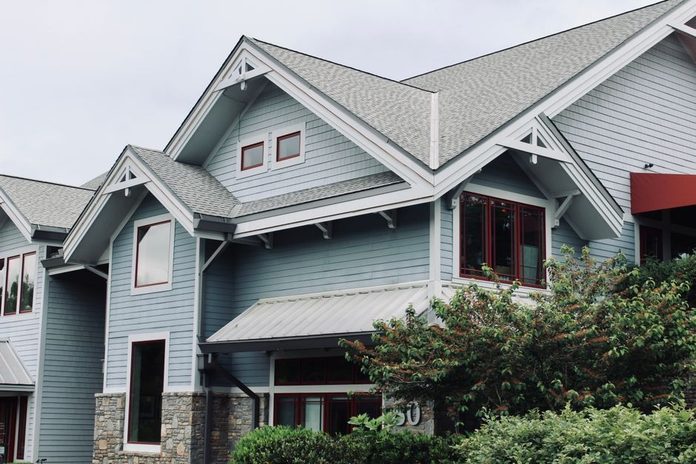

A roof is easy to overlook when it is doing its job well. Day after day, it absorbs sunlight, sheds rain, handles wind, and protects everything underneath it. Eventually, though, every roofing system begins to show its age. Asphalt shingles commonly provide roughly 15 to 30 years of service, although the actual lifespan can vary considerably depending on the shingle type, installation quality, weather exposure, ventilation, and maintenance.
Understanding those variables is more useful than simply circling a replacement year on the calendar. A roof may age faster or slower than expected, and knowing what influences that process can help homeowners recognize problems before they become expensive.
The Number on the Calendar Is Only a Starting Point
There is no single expiration date for an asphalt roof.
Traditional three-tab shingles generally have a shorter expected service life, while thicker architectural shingles can remain functional longer. Current home-improvement guidance places the typical asphalt-shingle roof in roughly the 15-to-30-year range, with product quality affecting where a particular roof may fall within it.
Age therefore provides context rather than a diagnosis. A 12-year-old roof with installation defects and repeated storm exposure may demand more attention than an older roof that was installed carefully and has experienced relatively favorable conditions.
The better question is not simply, “How old is my roof?” It is, “How well is my roof aging?”
Weather Leaves Its Mark One Season at a Time
Roof deterioration is not limited to dramatic storms. Ordinary weather gradually changes asphalt shingles.
Strong sunlight and heat can accelerate deterioration, while moisture and large temperature swings can contribute to cracking and other forms of wear. Repeated exposure matters because a roof never really gets a day off.
Even neighboring houses can experience different conditions. One roof may receive intense afternoon sun, while another stays partially shaded. Trees can reduce direct sunlight but also trap leaves and moisture or allow branches to rub against shingles.
These variables help explain why homeowners asking how long does a asphalt roof last should consider more than the roof’s installation date. Its history of exposure matters just as much as its age.
Good Installation Gives the Materials a Fair Chance
Premium shingles cannot compensate indefinitely for poor workmanship.
Roofing functions as a system that includes shingles, decking, underlayment, flashing, fasteners, ventilation, and drainage. Problems in one area can shorten the useful life of otherwise sound materials.
Incorrect nail placement, for example, can leave shingles more vulnerable to movement and damage. Weak flashing details can allow moisture into areas around roof penetrations. Poor ventilation can also create unwanted heat and moisture conditions beneath the roof.
That is why the expected lifespan printed for a roofing product should not be treated as a guarantee for the entire installed system.
A carefully installed roof gives its materials an opportunity to perform as intended. Poor installation can begin shortening that opportunity from the first day.
Learn to Read the Signs of an Aging Roof
A roof usually provides clues as it deteriorates.
Curling or lifting shingles, cracks, missing sections, exposed areas where granules have worn away, deteriorated flashing, and recurring leaks all deserve attention. Water stains or other moisture evidence inside the attic or home can also indicate that the roofing system is no longer keeping water where it belongs.
One damaged shingle does not automatically mean the entire roof has failed. The pattern matters.
A small area damaged by a branch may be repairable. Widespread curling and granule loss on an older roof tell a different story.
It is also wise to look again after severe weather. Damage is not always obvious from the ground, and a problem caught shortly after a storm may be easier to address than one discovered after months of water intrusion.
Small Maintenance Habits Can Protect Useful Life
Maintenance cannot make asphalt shingles last forever, but neglect can certainly help them deteriorate sooner.
Keep gutters and downspouts clear so water can leave the roof efficiently. Remove accumulated debris, address moss appropriately, and trim branches that repeatedly contact the roof. When damage appears, dealing with it promptly can help prevent a localized problem from affecting surrounding materials.
Regular inspection also matters. Guidance on roof maintenance and longevity highlights inspections, debris removal, gutter care, and timely repairs as practical ways to protect a roof’s service life.
Homeowners do not need to climb onto the roof to stay observant. Changes can often be noticed from the ground, from an appropriate vantage point, or inside the attic. Professional evaluation is the safer choice when closer inspection is required.
Repair or Replace? Look at the Pattern
Deciding between repair and replacement becomes easier when you consider the roof as a whole.
Repair can make sense when damage is isolated and the surrounding shingles remain in good condition. A localized flashing problem, a few damaged shingles, or a clearly defined leak does not necessarily justify replacing an otherwise serviceable roof.
The calculation changes when problems become widespread.
Repeated leaks, extensive curling, large areas of granule loss, or continuing repairs on an aging roof may indicate that money is being spent maintaining a system approaching the end of its useful life.
This is where age becomes helpful again. It should not make the decision by itself, but it provides context for the physical condition of the roof.
A Warranty and a Lifespan Are Not the Same Thing
Long warranty language can easily create unrealistic expectations.
A roofing product marketed with decades of warranty coverage does not necessarily promise that the complete roof will remain problem-free for that entire period. Manufacturer warranties and workmanship warranties may cover different issues, and some coverage can change or become prorated over time.
Before relying on a warranty, understand what it actually covers. Product defects, installation problems, weather damage, ordinary aging, and maintenance-related issues may all be treated differently.
Keeping installation records, product information, warranty documents, and repair history together can save considerable frustration later.
Think of a warranty as a set of defined protections rather than a countdown clock for roof life.
Plan Before the Roof Makes the Decision for You
The best time to think seriously about replacement is usually before water starts coming through the ceiling.
If you do not know the roof’s age, try to establish when it was installed and what type of shingles were used. Keep records of inspections and repairs, and pay attention to whether problems are becoming more frequent.
As the roof moves into the later part of its expected service life, budgeting becomes especially useful. Planning ahead provides time to evaluate the roof’s condition and consider options without making a rushed decision during a leak or after severe weather.
A useful overview of roofing materials and expected service life also shows why the material itself is only part of the longevity equation. Higher-grade asphalt products may offer greater durability, but conditions and care still influence real-world performance.
Think in Terms of Condition, Not Just Age
An asphalt roof’s age matters, but it never tells the whole story.
Shingle quality establishes a starting point. Installation determines how well the components work together. Weather creates ongoing stress, and maintenance influences whether small defects are corrected or allowed to spread.
That is why two roofs installed in the same year can reach very different conditions years later.
Instead of waiting for a particular anniversary, watch how the roof is performing. Notice changes, investigate recurring problems, maintain drainage, and take increasing age into account when deciding whether another repair still makes sense.
A roof does not need to last forever to provide good value. It needs to perform reliably for a reasonable service life and give you enough warning to plan what comes next. Paying attention to its condition makes that transition far easier than waiting for a leak to make the decision for you.