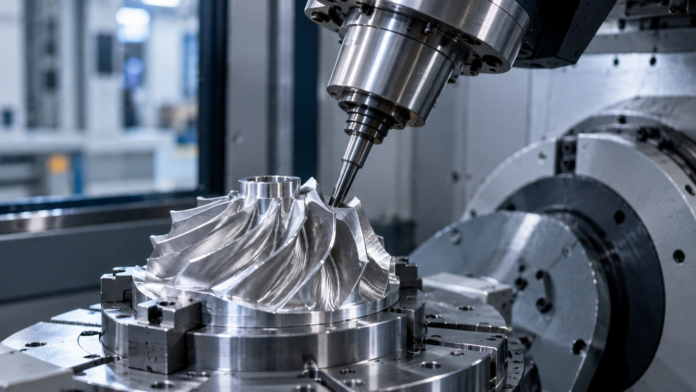

Producing a complex precision component involves much more than placing material into a machine and beginning the cutting process. Successful manufacturing requires coordination between design, engineering, material selection, machining, and quality control. At High Tech Quality Manufacturing, 5-axis machining is an important part of this process, supporting the production of intricate components for applications with demanding specifications. From an initial concept through final delivery, each phase is approached with careful planning and attention to the requirements of the finished part.
Moving From a Concept to a Manufacturable Part
The process begins with a clear understanding of what the customer needs the component to accomplish. A project may involve a new part design, modifications to an existing component, or a solution to a specific production or performance challenge.
Early collaboration provides an opportunity to review the intended application and the details that will affect manufacturing. By considering these factors before production starts, the team can assess the practicality of the design, address potential manufacturing concerns, and identify approaches that may help support a smoother production process. Establishing these details at the outset creates a framework for the engineering and machining work that follows.
Developing the Design and Evaluating the Prototype
Once the project’s objectives have been defined, the design can move into the engineering stage. Detailed three-dimensional CAD models are used to establish the component’s geometry and evaluate its features before material is machined. This digital approach allows engineers to examine dimensions, tolerances, and other specifications while the part is still in the planning phase.
Complex geometries can present particular manufacturing considerations. With 5-axis capabilities, cutting tools can access a workpiece from a wider range of positions and angles than traditional machining approaches. This makes it possible to machine intricate contours and features while giving engineers additional flexibility during part development. Reviewing the design digitally also allows manufacturing considerations to be addressed before the project advances further.
Choosing Materials Based on Application Requirements
The material selected for a component can affect both the machining process and the performance of the finished part. Strength, durability, environmental conditions, and the demands of the intended application are among the factors considered when determining which material is appropriate.
High Tech Quality Manufacturing works with metals, composites, and specialty materials to support different project requirements. The relationship between material and design is important because each choice can influence how a component is manufactured and how it functions after installation. Evaluating those considerations together helps align the material with the goals established for the finished part.
Producing Complex Components With 5-Axis Machining
After the design and material requirements have been finalized, the component moves into production. This is where 5-axis machining provides the flexibility needed to manufacture parts with complex shapes and features.
A 5-axis CNC machine can position and move the cutting tool or workpiece across multiple axes, allowing machining operations to reach areas that may require additional setups with other methods. High Tech Quality Manufacturing uses programmed machining operations to produce components according to the specifications established during planning and engineering.
Reducing the number of setups can also help streamline production for certain parts. Multiple surfaces may be accessed during the machining process without repeatedly removing and repositioning the component. This approach supports consistency while helping the team efficiently manufacture intricate precision parts.
Verifying Quality During the Manufacturing Process
Inspection is incorporated throughout the manufacturing process rather than being treated solely as a final step. Measurements and other quality checks are used to compare the component against applicable project specifications as production progresses.
Equipment such as Coordinate Measuring Machines, or CMMs, can be used to examine critical dimensions and verify part geometry. Inspection procedures may also address other characteristics relevant to the component and its requirements. These evaluations help identify whether the finished work aligns with the specifications established for the project before it proceeds to subsequent operations.
Completing, Preparing, and Delivering the Finished Part
Some components require additional work after machining. Depending on the part and its intended use, finishing operations may include polishing, anodizing, or the application of protective coatings. These processes can serve functional or appearance-related purposes based on the needs of the project.
After applicable machining, inspection, and finishing steps have been completed, the parts are prepared for shipment. Careful packaging and handling help protect the completed components during transportation so they can arrive ready for their next stage of use or assembly.
Each completed project also contributes to future process development. Experience gained through customer collaboration, engineering work, and manufacturing helps inform ongoing improvements as requirements and technologies continue to change. From the first design discussion through machining, inspection, and final delivery, High Tech Quality Manufacturing applies a structured approach to producing precision components for a range of manufacturing applications.