
Why Flexible Packaging is the New Standard for Growing Brands
For decades, brands relied heavily on traditional rigid packaging like glass jars, hard plastic containers, and metal cans. Today, however, market dynamics are forcing a massive shift toward flexible alternatives, such as soft pouches and shrink films. This transition is no longer just a trend; it is a critical strategy for operational efficiency. Flexible packaging fundamentally transforms how products are stored, shipped, and displayed on retail shelves.
The benefits of moving away from rigid structures are highly measurable across the supply chain. Key advantages include:
- Reduced Transportation Costs: Flexible materials are significantly lighter and take up less space, allowing more units per pallet and lowering freight expenses.
- Lower Carbon Footprint: Manufacturing and shipping lightweight materials consume less energy, helping brands meet strict environmental goals.
- Enhanced Shelf Appeal: High-quality printing on flexible surfaces offers 360-degree branding opportunities that catch the consumer’s eye.
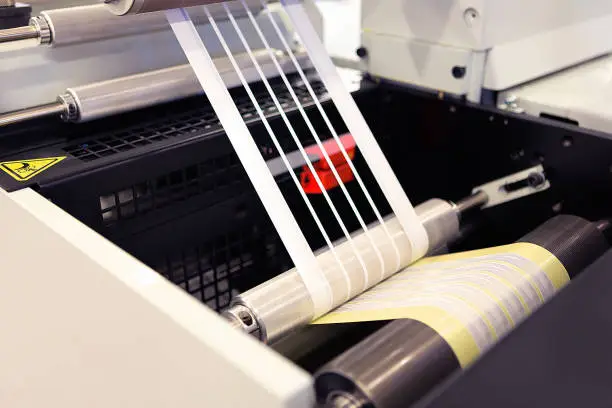
As product lines expand and consumer demand shifts toward lightweight materials, relying heavily on outsourced rigid packaging can create severe supply chain bottlenecks. To regain control over production timelines and unit costs, many growing brands are now partnering directly with a reliable flexible printing and packaging machines manufacturer, KETE Group. This Vertical Integration allows companies to rapidly prototype new pouch designs, maintain strict quality control, and significantly reduce long-term operational expenses.
Key Flexible Packaging Formats to Consider
Selecting the right format is critical to ensuring product protection and maximizing consumer convenience. Different industries require specific packaging structures to maintain freshness and usability.
Stand-Up Pouches & Gusset Bags
Stand-up pouches and gusseted bags have become the dominant choice for dry goods and bulk items. Their ability to stand upright on shelves makes them highly visible and space-efficient.
- Food & Snacks: Resealable zippers keep products fresh while offering consumer convenience.
- Coffee: Often equipped with one-way degassing valves to preserve aroma and extend shelf life.
- Pet Food: Heavy-duty gusset bags provide the necessary strength to hold large volumes without tearing.
Heat Shrink Sleeves & Custom Labels
For products that require rigid containers, heat shrink sleeves offer a hybrid flexible solution. These sleeves conform tightly to complex container shapes when heat is applied.
- Beverages: Sleeves provide full-body coverage for bottles, maximizing branding space and allowing for tamper-evident seals.
- Personal Care: Shampoos, lotions, and cosmetics benefit from moisture-resistant labels that maintain their aesthetic in wet environments.
Material Selection: Balancing Durability and Sustainability
Choosing the correct packaging material requires a delicate balance between structural integrity and environmental compliance. Historically, brands used multi-layer composite plastic films to ensure product safety. While these traditional plastics are excellent at keeping oxygen and moisture out, they are notoriously difficult to recycle.
Today, material science offers robust, eco-friendly alternatives. Companies can now utilize:
- Kraft Paper Composites: Offers a natural, organic look while still incorporating a thin inner lining for protection.
- Compostable Films: Made from plant-based polymers (like PLA) that break down in industrial composting facilities.
- Mono-Material Plastics: Packaging made entirely from a single type of plastic (e.g., 100% PE), making it fully recyclable.
Regardless of the material chosen, maintaining optimal Barrier Properties is non-negotiable. The packaging must effectively block moisture, oxygen, and UV light to prevent spoilage and extend the product’s shelf life.
Scaling Production: When to Bring Packaging In-House
When order volumes reach a certain threshold, the traditional model of relying on third-party co-packers becomes financially inefficient. At this stage, ambitious brands must evaluate the ROI of purchasing their own flexographic printers, rotogravure presses, and pouch-making machines. Transitioning to in-house production provides unmatched flexibility and aggressive cost savings over time.
By bringing manufacturing in-house, companies achieve true Vertical Integration. This operational shift eliminates third-party markups, drastically reduces lead times, and allows for rapid iteration of packaging designs. Quality control is also centralized, ensuring that every batch meets exact brand specifications.
The shift toward adaptable, lightweight materials is not merely a temporary operational tactic; it is a fundamental evolution in global retail. According to a recent industry analysis on the packaging sector, the shift towards eco-friendly and flexible materials is reshaping how modern supply chains operate. Businesses that prepare their production lines to accommodate these formats now will be far better positioned to meet evolving consumer expectations and strict environmental regulations.
Key Takeaways
| Area | Key Takeaway | Impact/Data |
| Logistics | Replace rigid containers with flexible packaging | Cuts freight; fits more units/pallet |
| Retail Formats | Deploy stand-up pouches and shrink sleeves | Secures 360° branding and tamper-seals |
| Eco-Materials | Adopt mono-material (100% PE) or PLA | Achieves 100% recyclability without losing barriers |
| Production | Purchase flexo and pouch-making machinery | Eliminates third-party markups completely |
Conclusion
Transitioning to flexible packaging is a strategic move that significantly reduces supply chain costs while aligning with modern sustainability demands. By carefully selecting the right formats and materials, and eventually scaling to in-house production, growing brands can secure a distinct competitive advantage in the market.