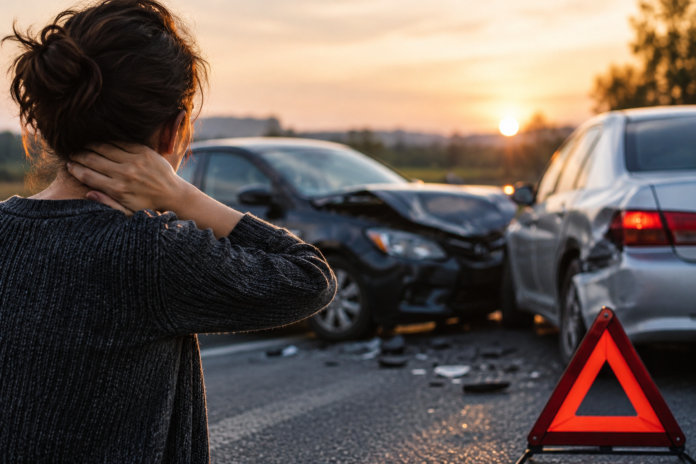

Even a relatively minor car crash can leave people shaken and unsure what to do next. In the confusion immediately afterward, it is easy to make decisions too quickly or overlook things that later turn out to be important. There is no perfect response to every collision, but there are sensible steps that can help protect everyone involved. There are also some common mistakes worth avoiding.
Safety Should Come First
The first priority after a crash is determining whether anyone needs urgent medical assistance. If there are serious injuries, dangerous traffic conditions, fire, or another immediate threat, emergency services should be contacted.
Where it is safe and appropriate to do so, drivers should move away from active traffic and avoid creating additional risks. The exact legal requirements following a collision vary by location, so motorists should also be familiar with the rules where they drive.
Do Not Assume You Are Uninjured
One mistake people can make is assuming that feeling reasonably well immediately after a crash means nothing is wrong. The stress of the event can make it difficult to judge how the body has been affected, while some symptoms may become more noticeable later.
Persistent pain, reduced movement, headaches, dizziness, or other concerning symptoms warrant medical attention. Depending on the circumstances, that could mean emergency treatment, a primary care appointment, or assessment by a provider specializing in accident injuries. For example, an accident clinic in Hollywood may provide access to services such as physical therapy, chiropractic care, and pain management for people recovering from collision-related injuries. The appropriate treatment will depend on the individual and the nature of the injury.
Record Useful Information
Once immediate safety concerns have been addressed, documenting what happened can be useful. Drivers can exchange contact and insurance details and, when it is safe, take photographs of vehicle damage and the surrounding scene. Writing down basic information while events are still fresh can also help. This might include the time and location of the collision, weather conditions, and the details of any witnesses.
What drivers should avoid is turning the roadside into a place for an extended argument. Staying calm and concentrating on exchanging the necessary information is generally more productive.
Be Careful About Driving Away
A vehicle that looks drivable may still have damage that affects its safety. Problems with tires, steering, lights, or bodywork can make continuing a journey risky. When there is uncertainty, having the vehicle inspected or recovered may be the safer option. A delayed arrival is inconvenient, but attempting to drive a seriously damaged vehicle can create another hazard.
The Days Afterward Matter
The aftermath does not necessarily end once everyone leaves the scene. Drivers may still need to contact their insurer, arrange repairs, attend medical appointments, and organize alternative transportation.
It is also worth paying attention to how physical symptoms develop. Keeping records of medical visits, repair bills and communications with insurers can make the practical aftermath easier to manage.
Ultimately, the “right” response to a crash is less about following one rigid checklist and more about setting sensible priorities. Staying focused on those basics explored above can make an already stressful situation considerably easier to navigate.