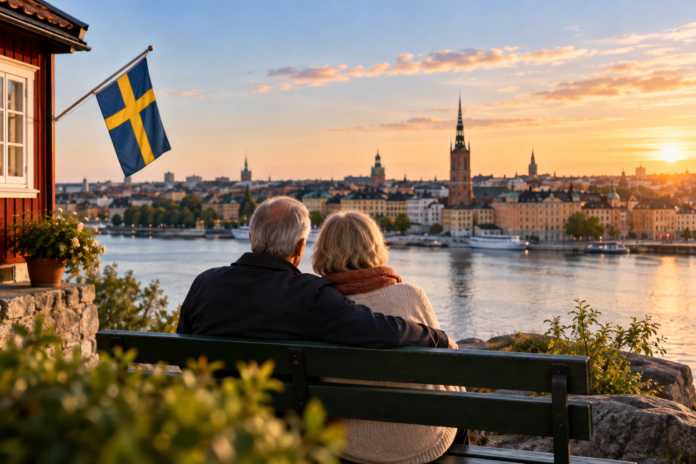

My neighbour’s parents sold their house in Kent in March, packed two suitcases each, and moved to a rented flat outside Malmö. Six months on, they’re still figuring out what “personnummer” means for their pension. That confusion is normal. Sweden is one of the more approachable countries in Europe for retirees, but approachable doesn’t mean simple.
The paperwork is real. The tax rules bite differently than they do at home. And the cost of living has shifted enough in the last two years that budgets built on outdated blog posts fall apart within a year. This guide walks through the parts that actually trip people up, not the postcard version.
Getting Your Residency Status Right From Day One
If you’re coming from outside the EU, you can’t just show up and stay. You need a residence permit. Depending on your circumstances, you may eventually qualify for long-term resident status once you’ve lived there continuously for several years. The Swedish Migration Agency sets out exactly who qualifies and what documentation they expect. Read it before you book a single flight.
EU and EEA citizens have it easier. You register your right of residence rather than apply for a permit, but you still need to prove you have enough income or savings to support yourself. Sweden doesn’t want retirees becoming a burden on the social system, and the forms make that expectation explicit.
Here’s what nobody tells you upfront: the process takes longer than the website suggests. Budget four to six months. Not six weeks.
Settling Into Everyday Life, Including How Locals Spend Downtime
Once the paperwork clears, the bigger adjustment is cultural, not bureaucratic. Swedes structure their free time differently than Brits or Americans do. Fika, that mid-afternoon coffee-and-pastry ritual, isn’t optional small talk. It practically holds up the whole shape of the workday and the social life around it.
Leisure habits extend online too, and Sweden regulates this more tightly than most people expect. Since the licensing reform of 2019, gambling operators need a permit from Spelinspektionen to legally serve Swedish players. The market has stayed fairly disciplined compared to looser jurisdictions elsewhere in Europe. If you’re curious what a properly licensed, locally regulated option even looks like once you’ve settled in, the rundown of best online casinos Sweden options gives a useful sense of how the regulated space is actually structured, separate from the offshore noise you’ll find if you just search blindly.
Gambling involves risk regardless of the jurisdiction. Play only what you can afford to lose, and if it stops being fun, BeGambleAware.org is a good first stop.
Outside of that, Swedish downtime tends to mean the outdoors. Allemansrätten, the “right of public access,” lets anyone walk, forage, or camp on most land regardless of who owns it. It sounds minor until you realise how much it shapes daily routines. Retirees who move there often end up walking more than they did back home. Not because they planned to, but because everyone around them treats a forest walk as a normal Tuesday activity rather than a special occasion.
Tax Residency: The Part That Catches People Off Guard
This is where most new arrivals get it wrong. Sweden considers you tax resident if you spend more than six months of the year there, but the rules also catch people with an “essential connection” to Sweden even if they spend less time than that. Own property there? Keep your primary economic interests there? You might be tax resident regardless of your travel calendar.
Once you’re tax resident, Sweden taxes your worldwide income. Not just what you earn locally. Foreign pensions, rental income back home, investment dividends, all of it potentially falls under Swedish tax rules, though double taxation treaties usually stop you from paying twice on the same income.
Municipal income tax runs somewhere between 29% and 35% depending on where you live, and that’s before any national income tax kicks in on higher earnings. It’s a different shape of tax burden than the UK or the US. Front-loaded rather than back-loaded. It surprises people who assumed “Scandinavian taxes” meant something abstract rather than a specific number hitting their pension income in month one.
Check your home country’s tax treaty with Sweden before you move, not after. Informationsverige.se, the government’s own portal for new residents, has a dedicated page for older adults covering pension eligibility and financial support that’s worth reading alongside whatever your accountant tells you.
What Things Actually Cost in 2026
Forget the spreadsheets that circulated five years ago. Housing costs in Stockholm and Gothenburg have climbed enough that a one-bedroom rental in a decent central neighbourhood now runs well past what most retirement budgets assumed even two years back. Malmö and smaller cities like Umeå or Örebro remain considerably cheaper, sometimes by 30-40% on rent alone.
Groceries sit close to UK prices for staples but noticeably higher for alcohol and eating out, largely due to Systembolaget’s state monopoly on stronger alcohol sales and the tax structure behind it. A basic restaurant meal in Stockholm regularly costs more than the same meal in Manchester or Leeds.
According to a recent cost of living breakdown from Dispatches Europe, utility costs have also shifted meaningfully due to energy price volatility across the region. Retirees on fixed incomes should build in a wider buffer than they might have three or four years ago. That’s not scaremongering. It’s just what the numbers say right now.
Healthcare is another area people assume is free and then discover isn’t quite. EU citizens with a valid EHIC get emergency coverage, but full access to the Swedish system as a resident works differently. Socialstyrelsen’s guidance for visitors is worth reading closely before you assume your existing insurance transfers cleanly.
The Practical Bits People Forget
Opening a Swedish bank account without a personnummer (your personal identity number) ranges from slow to nearly impossible, and you can’t get a personnummer without proof of residency. That creates a genuinely annoying chicken-and-egg problem in your first month. Some banks now offer limited accounts for new arrivals specifically to bridge this gap. Ask before you land, not after.
Learning basic Swedish helps far more than expats expect. Most Swedes speak excellent English, true, but pension offices, tax authorities, and local council services often default to Swedish-language forms and letters. Google Translate gets you through most of it. It doesn’t get you through all of it.
And don’t underestimate how dark the winters get above the 55th parallel. Malmö and southern Sweden handle it reasonably well. Stockholm in December surprises a lot of newcomers who thought they’d prepared for it.
Frequently Asked Questions
Do I need a visa to retire in Sweden if I’m from the UK? Yes. Since Brexit, UK citizens are treated as third-country nationals and need a residence permit to stay longer than 90 days. You’ll need to show sufficient income or savings, plus valid health insurance, before the permit gets approved.
How much money do I need to retire comfortably in Sweden? Outside Stockholm, a couple can live reasonably on roughly 25,000-30,000 SEK a month, covering rent, food and utilities. Stockholm and Gothenburg run notably higher, particularly for housing, so budget accordingly if you’re set on a major city.
Will my UK or US pension be taxed twice? Usually not, thanks to double taxation treaties, but the mechanics vary by country and pension type. Some private pensions get taxed only in Sweden, others only at source. Get country-specific advice before you move rather than assuming a blanket rule applies.
Is healthcare free for retirees moving to Sweden? Not automatically. Once you’re a registered resident you pay into the system and get access similar to Swedish nationals, but there are patient fees for visits and prescriptions. EU visitors with an EHIC get more limited emergency-only coverage.
What’s the biggest mistake people make when relocating to Sweden? Underestimating the timeline. Between residency permits, personnummer registration, and bank account setup, most expats need four to six months before life feels workable rather than provisional. Plan your finances to cover that gap comfortably.
Sweden rewards patience more than almost any other relocation destination in Europe. The systems work, eventually, and the quality of life on the other side of the paperwork is genuinely high. Just don’t expect the first few months to feel like the brochure.