
Commuting contains more useful time than it first appears. A train ride, bus journey, or walk to work creates short gaps between leaving home and starting the day. AI glasses can make those gaps easier to use by placing selected information within view and allowing voice-based interaction. A commuter might check a schedule, review a notification, prepare for a meeting, or capture a thought before reaching the office. Their value comes from fitting digital tasks into movement rather than turning the commute into another long screen session.
AI Glasses Can Turn Transit Time Into Useful Micro-Moments
The First Few Minutes Can Set Up the Whole Day
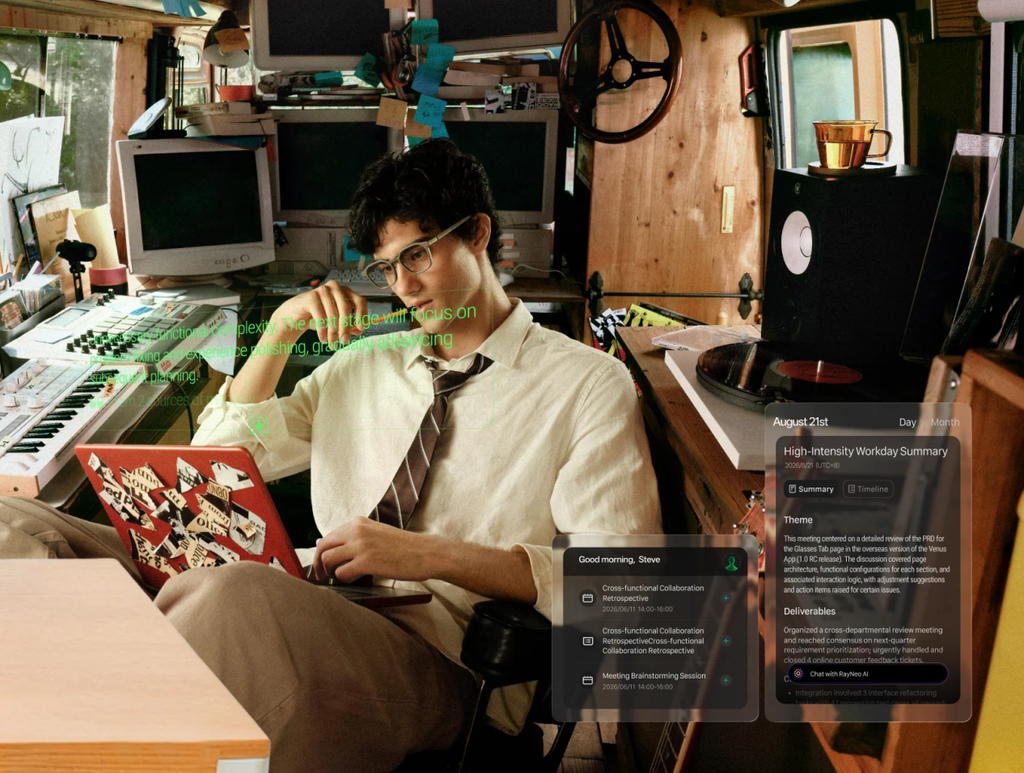
A commute often begins with several small questions. What is on the calendar? Which meeting comes first? Has an important notification arrived? What does the weather look like later? A heads-up dashboard can bring these details together as brief visual updates. Instead of reviewing a long stream of information, commuters can focus on the few items that affect the next part of the day. This makes wearable displays well suited to “micro-moments” that last only seconds. A quick schedule check while waiting for a train or a reminder before leaving a station can be enough. The technology works best here as a light information layer that supports the transition from personal time to the working day.
Voice Access Fits Moments When Hands Are Occupied
Commuters frequently carry more than one thing. A coffee, umbrella, work bag, suitcase, or transit card can make constant device handling less convenient. Voice interaction offers another way to reach digital information. The wearer can issue a supported command or ask the AI a question without starting a longer touch-based interaction. RayNeo iO AI Glasses combine an all-day voice assistant with a 33-inch optically equivalent transparent display, allowing AI responses, schedules, weather, and notifications to appear within view. Their heads-up format shows how wearable AI can divide tasks between voice and vision: speech can start the interaction, while concise visual information can provide the answer when reading is the more suitable format.
Commutes Can Become a Bridge Into Focused Work
The journey to work can also serve as preparation time. Someone heading to a client meeting may want to review talking points. A manager may need to remember the morning’s priorities. A speaker traveling to an event may want to rehearse prepared material. Display-based ai glasses can place short prompts or teleprompter text within view, creating a portable way to review information before arrival. This does not require turning the entire journey into work. Five or ten focused minutes may be enough to refresh names, figures, key messages, or the order of a presentation. Commuting then becomes a useful transition zone where people can arrive with important information already fresh in mind.
Wearable AI Can Connect the Morning and Evening Commute
Spoken Ideas Can Be Captured Before They Disappear
Movement often creates unexpected thinking time. An idea for a project may appear during a walk to the station. Someone may remember a task while waiting for a bus or think of a useful follow-up after leaving a meeting. Recording functions can capture these thoughts while they are still fresh. AI can then organize recorded material into notes, key points, or action items, depending on the supported workflow. This creates a different commuting use case from consuming information. The wearer becomes the source. Instead of reading or listening, they can turn a passing thought into something that remains available later. For knowledge workers, this can make the commute part of the thinking process without requiring a formal note-taking session.
The Ride Home Can Close Open Loops From Work
Morning commuting usually points forward, but the evening journey serves a different purpose. It can provide a natural moment to process what happened during the day. AI meeting notes and Lifelog-style organization can make recorded information easier to revisit. A commuter might review key takeaways, identify action items, or check what needs attention the following morning. This creates a useful boundary between completing work and moving into personal time. Rather than starting new tasks, the wearer can use a short part of the journey to organize unfinished information. The commuting value of AI glasses therefore changes with direction: the morning can support preparation, while the return trip can support recall, organization, and a cleaner handoff to the next day.
Everyday Wearability Matters Across Repeated Journeys
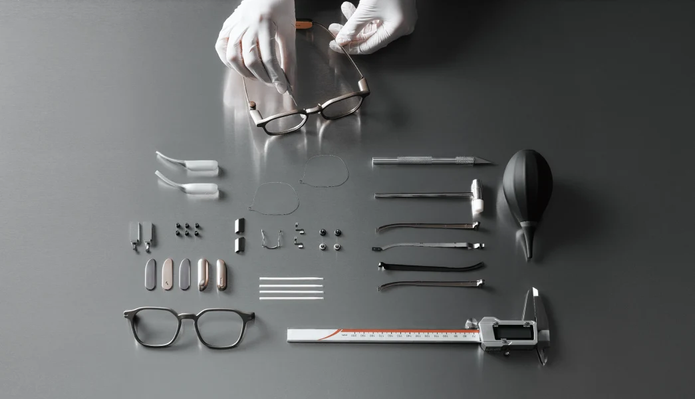
A commuting device has to work repeatedly, not only during an occasional trip. Physical details therefore become relevant to the overall experience. RayNeo iO weighs 33 grams and uses a classic Crown Panto frame with over 80% metal construction, along with a nose pad kit and silicone temple tips. It also provides up to two days of everyday use and IP54 dust and water resistance. These characteristics connect with the practical rhythm of commuting, where eyewear may move between indoor and outdoor settings several times a day. A USB-C charging clip provides another part of that routine. When smart functions live inside something worn regularly, comfort, power, construction, and daily handling become part of usefulness rather than separate specifications.
Conclusion
AI glasses can make commuting useful in ways that match the short, transitional nature of the journey. Morning dashboards can organize priorities, voice access can handle quick requests, and visual prompts can prepare commuters for meetings or presentations. Recording can capture ideas in motion, while AI-organized notes can support an end-of-day review on the way home. The strongest commuting role is therefore not constant digital activity. It is turning otherwise scattered moments into timely opportunities to check, prepare, capture, and organize information.